Drug name
Last update: Oct 2026Tenofovir-Lamivudine-Dolutegravir (TLD) - long-acting injectable (LAI) (TLD LAI)
Developer(s)
Drug information
Not provided
Not yet developed
Not yet assigned
Small molecule
INSTI (Integrase Strand Transfer Inhibitor), NRTI (Nucleoside/Nucleotide Reverse Transcriptase Inhibitor) — 2 NRTIs (TDF/3TC) +1 INSTI (DTG)
Active / In Development (Phase 1/2/3)
Tenofovir disoproxil fumarate/Lamivudine/Dolutegravir (TLD; TDF/3TC/DTG) is a fixed-dose antiretroviral drug combination used for the treatment of HIV. It consists of two NRTIs (TDF/3TC) and an INSTI (DTG). Since 2018, WHO HIV treatment guidelines have recommended daily oral TLD as the preferred first-line regimen for initiating antiretroviral therapy (ART) among adults and adolescents living with HIV. In most PEPFAR-supported countries, more than 80% of people receiving HIV-ART were prescribed oral TLD as of March 2022. Researchers at the University of Washington are currently developing a long-acting injectable version of tenofovir+lamivudine+dolutegravir via drug-combination-nanoparticle (DcNP) technology platform which would enable effective TLD concentrations for up to 4 weeks.
Still in clinical development
Still in clinical development
Therapeutic area(s)
- HIV
- HBV
- Treatment
Administration route
Subcutaneous
Associated long-acting platforms
Aqueous drug particle suspension, Based on other organic particles
Use of drug
- Administered by a nurse
- Administered by a specialty health worker
- Self-administered
- Administered by a community health worker
- To be determined
- Monthly
- Every 2 months
- Other/Variable/Unknown : To be determined based on clinical development
- Every 2 weeks
Dosage
Not provided
Not provided
Not provided
Not provided
Not provided
Not provided
Additional information
Developer(s)

University of Washington
The University of Washington is a public research university based in Seattle, Washington, USA. Originally founded in 1861, the institution has an extraordinary track record of scientific inventions & discoveries. Its Targeted Long-acting Combination Antiretroviral Therapy (TLC-ART) program aims to develop safe, stable, scalable and tolerable long-acting ART combinations for the treatment of HIV.
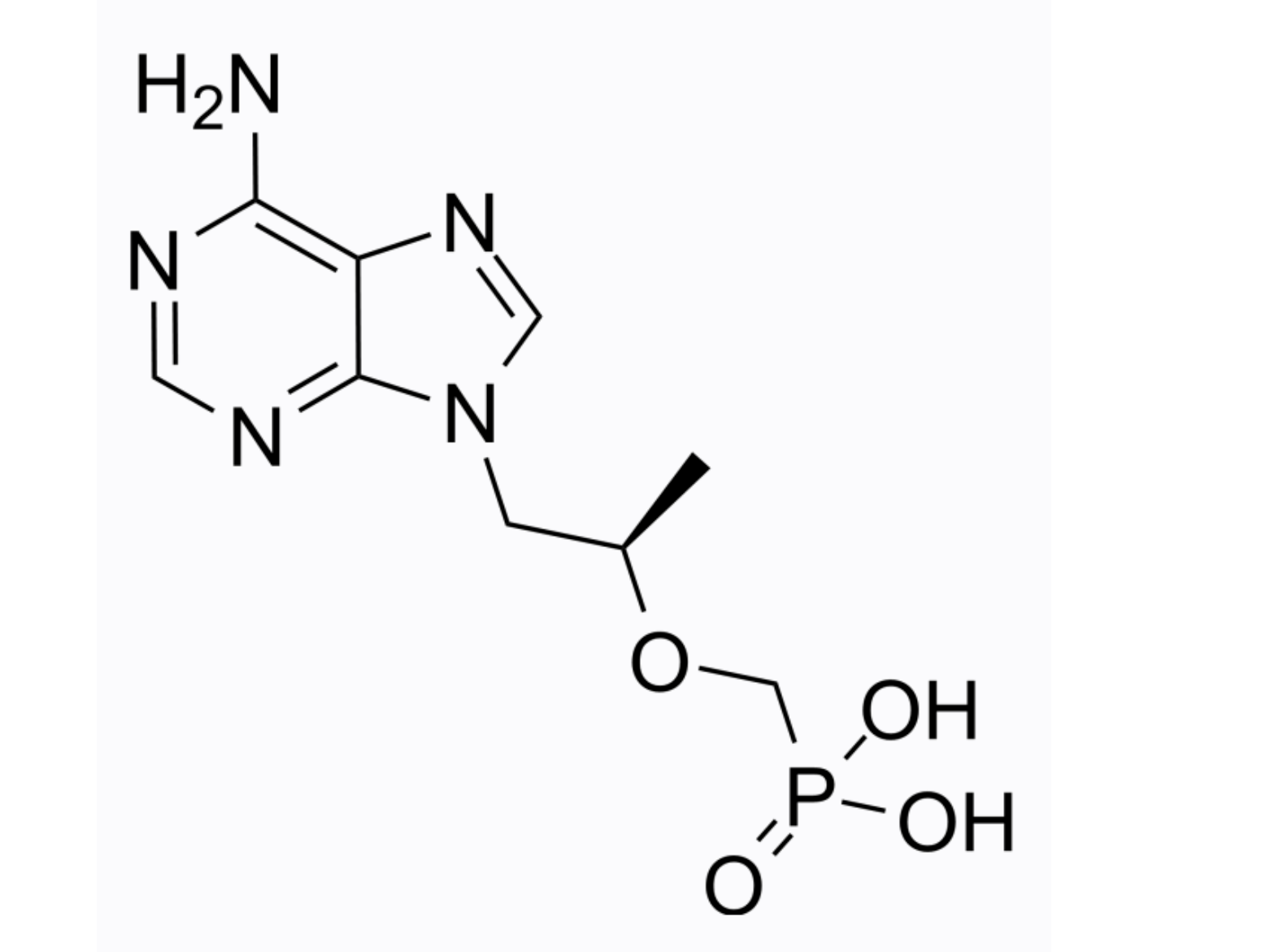
Drug structure
Scale-up and manufacturing prospects
A novel long-acting TLD drug-combination nano-particulate (DcNP) formulation for subcutaneous injection was prepared with biocompatible lipid excipients. The highly-scalable DcNP technology enables drugs with disparate physiochemical properties to be formulated into products that remain stable in aqueous suspension. First, TLD was dissolved with lipid-excipients in hydrated-alcohol, followed by a controlled solvent-removal process to create the TLD-DcNP powder. Next, the TLD-DcNP particle-size was reduced (60-80 nm) resulting in a stable-injectable TLD product suitable for subcutaneous dosing.
Rotary evaporator (rotavap). High pressure homogeniser (e.g. Emulsiflex-c5; Avestin Inc., Canada). Spray-dryer (e.g. 4M8Trix Unit; ProCepT, Belgium).
TLD-in-DcNP injectable suspension was prepared by dissolving 40.27 mmol DSPC, 5.97mmol HCl, 5.66 mmol DTG and 4.49mmol mPEG2000-DSPE in 472 ml ethanol at 70°C. Following dissolution, 28 ml of 200 mM NaHCO3 buffer containing 5.85 mmol TFV and 5.85 mmol 3TC was added. The solution was then spray-dried under controlled-solvent-removal process to generate the TLD-in-DcNP powder. The powder in 0.45% w/v NaCl–20 mM NaHCO3 buffer suspension was held at 75°C and homogenised to achieve stable particles (50–70 nm). The suspension was cooled to 25°C and stored at 4°C.
Particle size determined by photon correlation spectroscopy using a NICOMP 380 ZLS (Particle Sizing Systems, Santa Barbara, CA). Osmolality (Vapro 5520 osmometer; Wescor, Logan, UT) and pH (Hydrion paper). Drug quantification via LC-MS/MS using acetonitrile precipitation.
Excipients & delivery device(s)
Lipid excipients: DSPC and DSPE-mPEG2000
Not provided
Not provided
No delivery device
Safety, Efficacy and Evidence Summary
Not provided
Not provided
Not provided
Not provided