Drug name
Last update: Aug 2026L9LS (mAb)
Developer(s)
Drug information
Not provided
L9LS
Not provided
Biotherapeutic
Not provided
L9LS (VRC-MALMAB0114-00-AB) is a long-acting monoclonal antibody currently in clinical development as P. falciparum malaria prophylaxis. The Fc region of L9LS contains two site-directed mutagenesis substitutions (termed “LS”) which enhance neonatal Fc receptor binding affinity and extend its effective half-life to ~56 days. L9LS functions by targeting the highly conserved minor NVDP motifs present on the P. falciparum circumsporozoite protein, thereby disrupting malarial hepatocyte infection and parasite motility. The original L9 antibody was initially isolated from a CHMI study participant who displayed high antibody titres against a junctional epitope mimic (S02). Recent studies have indicated that L9LS may be administered subcutaneously rather than intravenously due to its high potency.
Unknown
Unknown
Therapeutic area(s)
- Malaria
- Pre-Exposure Prophylaxis (PrEP)
Administration route
Subcutaneous, Intravenous
Associated long-acting platforms
Monoclonal antibodies and antibody drug conjugates
Use of drug
- Administered by a nurse
- Administered by a specialty health worker
Not provided
Dosage
investigational
Not provided
Not provided
Not provided
Not provided
Associated compounds, formulations and regimens
Not provided
Associated technologies
Not provided
Additional information
Developer(s)

Leidos Biomedical Research
Leidos Biomedical Research, Inc. is a research company that operates the Frederick National Laboratory for Cancer Research on behalf of the National Cancer Institute. Based in Frederick, Maryland, the laboratory develops technological solutions for HIV/AIDs, emerging infectious diseases and oncology, in addition to providing scientific support to several national institutes including the NIAID.
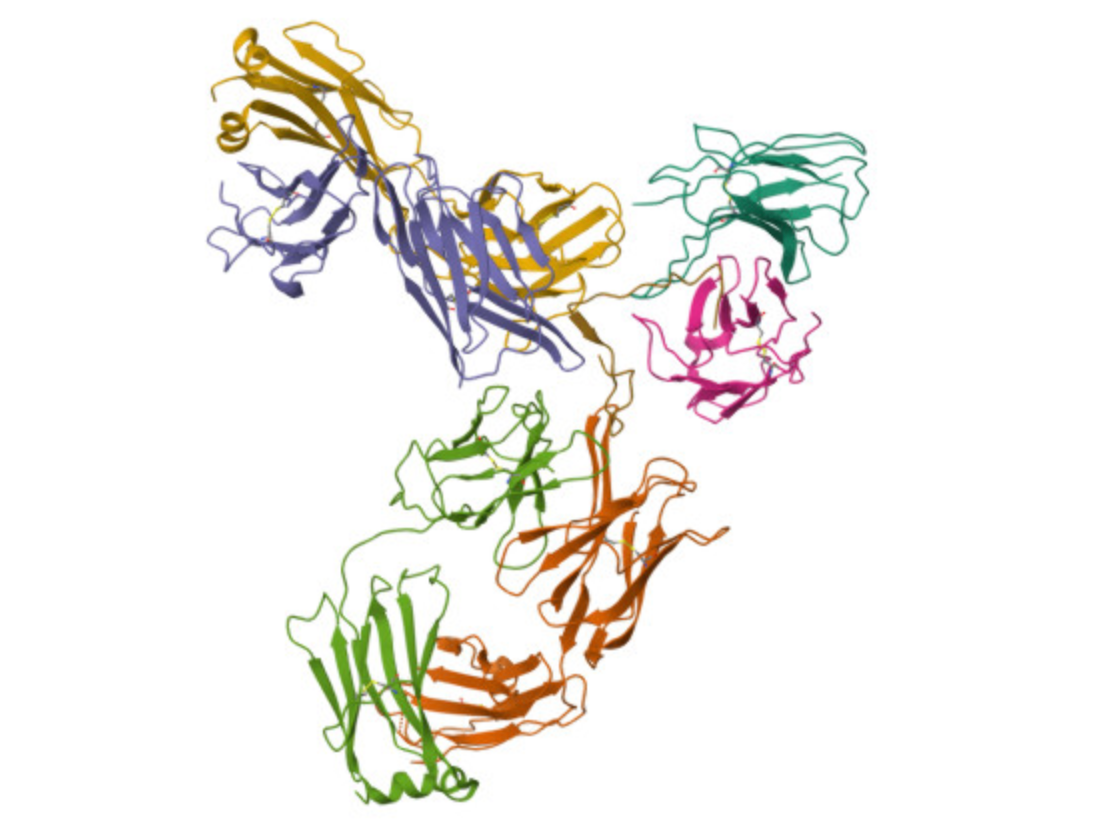
Drug structure
Scale-up and manufacturing prospects
L9LS has been manufactured as a clinical trial product by Leidos Biomedical Research following good manufacturing practices and vialled at a concentration of 150mg/mL within a buffered solution. General manufacturing requirements and production scale-up for therapeutic monoclonal antibody (mAb) products is primarily focused on pharmacokinetic suitability, formulation stability and the overall maintenance of product quality. Industrial bioprocessing steps can also potentially introduce additional challenges regarding mAb formulation viscosity and aggregation propensity.
Industrial bioreactor vessel with a production volume capacity of between 5-25kL. Continuous disc stack centrifuges for bioreactor harvesting with subsequent membrane and depth filtration for supernatant clarification. Recombinant protein-A chromatography or other suitable affinity capture apparatus followed by two chromatographic polishing steps such as cation- and anion-exchange. Ultrafiltration membrane system to concentrate and formulate the final product.
MAbs are highly dependent on their structural, chemical and conformational stability for biological activity. Chemical degradation of mAbs during manufacture can lead to the generation of product variants and complex impurity profiles resulting from a wide range of processes, including: N-linked glycosylation, isomerisation, fragmentation, deamidation, oxidation and C-terminal lysine clipping. Additionally prior to packaging, the final product requires close monitoring for the presence of residual contaminants such as endotoxins and pro-inflammatory peptidoglycans.
Formulation characterisation steps for therapeutic mAb products include (but are not limited to): (1) Identification of post-translational modifications using ion-exchange chromatography and capillary isoelectric focusing, (2) Measurement of concentration dependent aggregation rates via thermal differential scanning calorimetry, sub-visible particle quantitation and size-exclusion chromatography, and (3) Antibody clipping and fragmentation detection by capillary electrophoresis.
Excipients & delivery device(s)
Not provided
Not provided
Not provided
No delivery device
Safety, Efficacy and Evidence Summary
Not provided
Not provided
Not provided
Not provided
L9 antibody and M428L and N434S mutations (L9LS)
Antibodies and antigen binding fragments that specifically bind to P. falciparum circumsporozoite protein are disclosed. Nucleic acids encoding these antibodies, vectors and host cells are also provided. The disclosed antibodies, antigen binding fragments, nucleic acids and vectors can be used, for example, to inhibit a P. falciparum infection.
WO2020227228
Compound
THE UNITED STATES OF AMERICA, AS REPRESENTED BY THE SECRETARY, DEPARTMENT OF HEALTH AND HUMAN SERVICES
Not provided
May 4, 2040
Granted in US, pending in EPO member states