Drug name
Last update: Aug 2026DSM265
Developer(s)
Drug information
DSM265
Not provided
Small molecule
Not provided
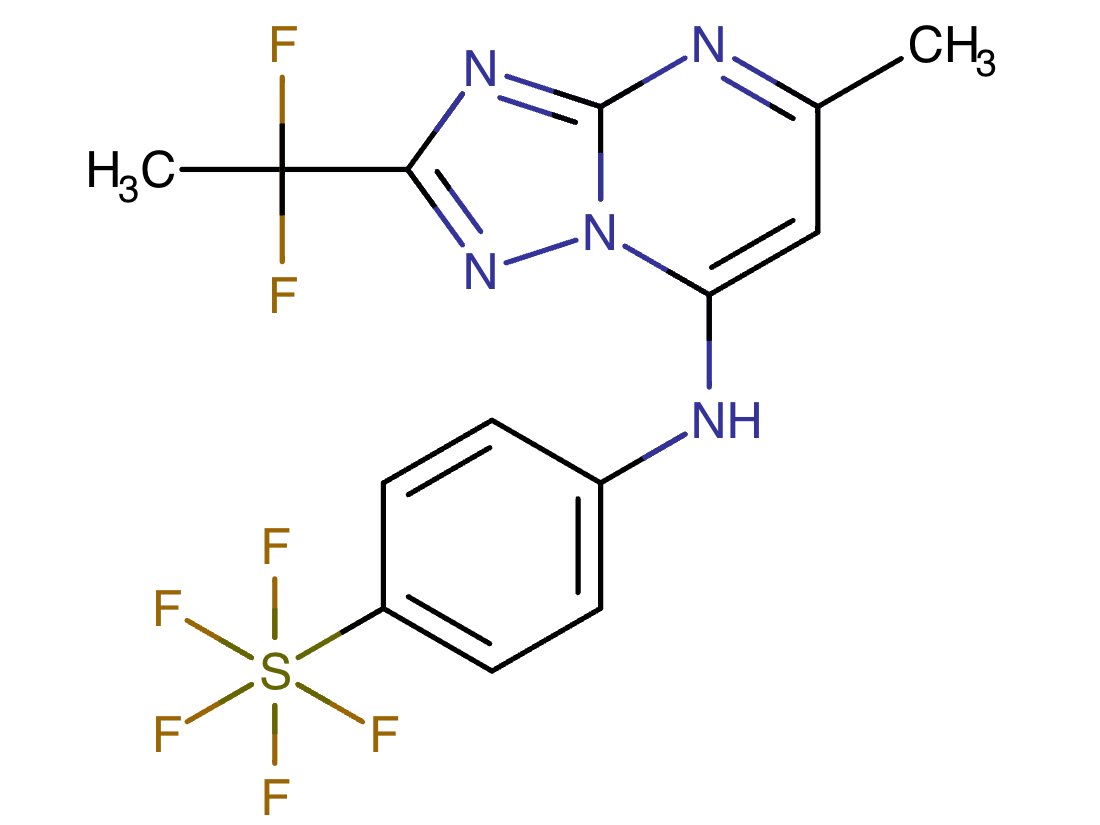
DSM265 is an orally-active investigational compound currently in clinical development for the treatment and prevention of malaria. DSM265 functions through selectively inhibiting the dihydroorotate dehydrogenase (DHOPH) enzyme essential for Plasmodium falciparum pyrimidine biosynthesis. Preclinical studies indicated that DSM265 was effective against pre-erythrocytic Plasmodium falciparum and displayed potential as an antimalarial chemoprophylactic due to a favourable pharmacokinetic profile that enables once-weekly dosing. Subsequent in-human clinical trials have shown that while orally administered DSM265 displays high-levels of tolerability and safety, it only induces limited pre-erythrocytic protection, indicating that alternate dosing or combination therapy approaches may be required.
It appears that the development of DSM265 is suspended.
The product did not progress to approval
Therapeutic area(s)
- Malaria
- Pre-Exposure Prophylaxis (PrEP)
- Treatment
Administration route
Oral
Associated long-acting platforms
Oral solid form
Use of drug
- Self-administered
Not provided
Dosage
investigational
Not provided
Not provided
Not provided
Not provided
Associated compounds, formulations and regimens
Not provided
Associated technologies
Not provided
Additional information
Developer(s)
Medicines for Malaria Venture
MMV is a Swiss-based not-for-profit organization working through a product development partnership model to deliver a portfolio of accessible medicines with the power to treat, prevent and eliminate malaria. We close critical gaps in research, development and access – working “end-to-end” to expand the use of existing antimalarials and innovate new compounds to protect public health.

Takeda Pharmaceuticals
Takeda aims to discover and deliver life-transforming treatments in our core therapeutic and business areas, including gastrointestinal and inflammation, rare diseases, plasma-derived therapies, oncology, neuroscience and vaccines.
Drug structure
Scale-up and manufacturing prospects
Spray-dried dispersion (SDD) formulations were developed to improve both the solubility and bioavailability of DSM265, in which the drug is present in a stable amorphous state. The spray-drying technology is scalable and suitable for continuous processing, which could potentially facilitate the commercial-scale manufacture of DSM265. Progressive improvements to the chemical synthesis pathway and sourcing of lower-cost starting materials have substantially reduced the overall manufacturing cost of the DSM265 drug substance.
Not provided
The current spray-dried formulation of DSM265 may generate packaging issues due to poor flow properties. Additionally, the oral suspension is administered and dispersed using an aqueous solution containing sweetener and solubilising agents. The requirement for an accompanying dosing medium increases the costs of drug administration and poses commercial as well as logistical challenges. Development of a granulation process to improve the flow properties of the formulation whilst also incorporating the necessary solubilising excipients to enable water-based reconstitution would be beneficial.
Not provided
Excipients & delivery device(s)
Not provided
Not provided
Not provided
No delivery device
Safety, Efficacy and Evidence Summary
Not provided
Not provided
Not provided
Not provided
DSM-265 compound
Inhibitors of parasitic dihydroorotate dehydrogenase enzyme (DHOD) are candidate therapeutics for treating malaria. Illustrative of such therapeutic agents include the compound: and a triazolopyrimidine class of compounds that conform to Formula (IX): and their solvates, stereoisomers, tautomers and pharmaceutically acceptable salts. (DSM-265 given as Example 44) Method of treating Malaria.
WO2011041304
Compound
Board of Regents, University of Texas System; Monash University; Medicines For Malaria Venture; University of Washington; Glaxosmithkline Investigacion Y Desarrollo, S.L
Not provided
September 14, 2031
Granted: EP, US, CN, CA, BR, JP, IN, HK