Drug name
Last update: Aug 2026Clesrovimab-cfor
Developer(s)
Drug information
Clesrovimab
ENFLONSIA
Biotherapeutic
Not provided
Not provided
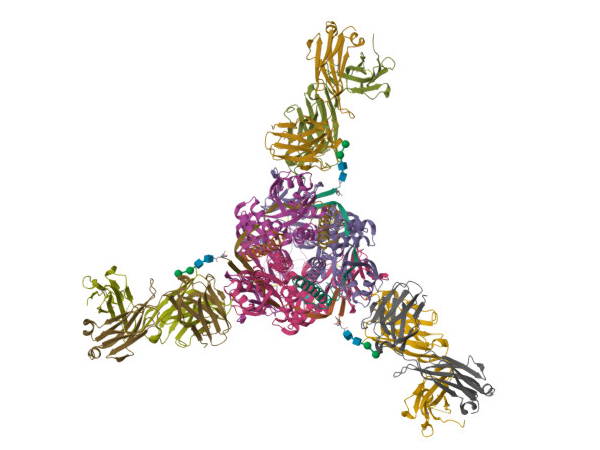
Clesrovimab-cfor is a respiratory syncytial virus F protein-directed fusion inhibitor. Clesrovimab (MK-1654) is a human IgG1 monoclonal antibody (mAb) indicated for the prevention of Respiratory syncytial virus (RSV). It is being studied as protection against mild, moderate, and severe RSV in preterm, full-term, and at-risk infants during their first RSV season. Clesrovimab is designed to be administered at the same single dose irrespective of birth weight and exhibits potent in vitro neutralization of RSV-A and RSV-B clinical isolates via high-affinity binding to the RSV fusion (F) protein antigenic site IV. Engineered YTE substitution mutations in the mAb fragment crystallizable (Fc) domain result in an extended half-life through enhanced neonatal.
Clesrovimab has received regulatory approval in 34 countries, including the United States of America (under Biologics License Application (BLA 761432)), member states of the European Union and European Economic Area (EU/EEA), as well as the United Arab Emirates. Clesrovimab has been approved for the prevention of respiratory syncytial virus (RSV) lower respiratory tract disease in neonates and infants who are born during or entering their first RSV season
ENFLONSIA™ (Clesrovimab) 105 mg/0.7 mL prefilled syringe has been granted regulatory approval by the United States Food and Drug Administration (USFDA), the European Medicines Agency (EMA), and the Department of Health (DoH) of the United Arab Emirates.
Therapeutic area(s)
- Respiratory syncytial virus (RSV)
- Prevention
Administration route
Intramuscular
Associated long-acting platforms
Monoclonal antibodies and antibody drug conjugates
Use of drug
- Administered by a nurse
- Administered by a specialty health worker
- Administered by a community health worker
- Once
Dosage
100 mg in 0.5 mL
105 mg
105 mg prefilled injection is administered as a single intramuscular (IM) injection for neonates and infants born during or entering their first RSV season. For infants born outside the RSV season, administer ENFLONSIA once prior to the start of their first RSV season, considering the duration of protection provided by ENFLONSIA
105 mg/0.7 mL prefilled syringe
Related entries
Not provided
Additional information
Clesrovimab is backed by data from the Phase IIb/III CLEVER study, a pivotal, double-blind and placebo-controlled study that enrolled more than 3,600 infants up to 1 year of age who were entering their first RSV season. Results published in October 2024 showed that a single dose of clesrovimab could cut RSV-associated medically attended lower respiratory infection by 60.4% at 150 days versus placebo. At this same time point, clesrovimab lowered RSV-associated hospitalizations by 84.2% and hospitalizations linked to lower respiratory infections in RSV by 90.9%.
Developer(s)
Merck / MSD
Merck & Co., Inc. (Merck (known as MSD outside the United States and Canada)is an American multinational pharmaceutical company known as Merck Sharp & Drone (MSD) in territories outside of the USA and Canada. Merck was originally established in 1891, and is headquartered in Rahway, New Jersey. The company is particularly well known for developing and manufacturing biologic therapies, vaccines, med
Drug structure
Scale-up and manufacturing prospects
General manufacturing requirements and production scale-up for therapeutic monoclonal antibody (mAb) products is primarily focused on pharmacokinetic suitability, formulation stability and the overall maintenance of product quality. Industrial bioprocessing steps can also potentially introduce additional challenges regarding mAb formulation viscosity and aggregation propensity.
Industrial bioreactor vessel with a production volume capacity of between 5-25kL. Continuous disc stack centrifuges for bioreactor harvesting with subsequent membrane and depth filtration for supernatant clarification. Recombinant protein-A chromatography or other suitable affinity capture apparatus followed by two chromatographic polishing steps such as cation- and anion-exchange. Ultrafiltration membrane system to concentrate and formulate the final product.
MAbs are highly dependent on their structural, chemical and conformational stability for biological activity. Chemical degradation of mAbs during manufacture can lead to the generation of product variants and complex impurity profiles resulting from a wide range of processes, including: N-linked glycosylation, isomerisation, fragmentation, deamidation, oxidation and C-terminal lysine clipping. Additionally prior to packaging, the final product requires close monitoring for the presence of residual contaminants such as endotoxins and pro-inflammatory peptidoglycans.
Formulation characterisation steps for therapeutic mAb products include (but are not limited to): (1) Identification of post-translational modifications using ion-exchange chromatography and capillary isoelectric focusing, (2) Measurement of concentration dependent aggregation rates via thermal differential scanning calorimetry, sub-visible particle quantitation and size-exclusion chromatography, and (3) Antibody clipping and fragmentation detection by capillary electrophoresis.
Excipients & delivery device(s)
No proprietary excipient used
1. Arginine hydrochloride (10.33 mg) 2. Histidine (0.55 mg) 3. L-histidine monohydrochloride monohydrate (0.74 mg), 4. Polysorbate 80 (0.14 mg) 5. Sucrose (35 mg) 4. Water for injection (USP) None of the listed excipients is novel, nor do they exceed the maximum concentrations listed in the FDA IID for the injectable route.
No residual solvent used
No delivery device
Safety, Efficacy and Evidence Summary
Not provided
Not provided
Not provided
Not provided