
|
Developed by 

|
Supported by 


|

Dapivirine Monthly Vaginal Ring
Based on public informationDeveloper(s)
|
International Partnership for Microbicides Originator
https://www.ipmglobal.org/
United States IPM's mission is to develop HIV prevention products and other sexual and reproductive health technologies for women, and to make them available and accessible where they are urgently needed. |

|
Population Council Originator
https://popcouncil.org/
Global The Population Council is a leading research organization dedicated to building an equitable and sustainable world that enhances the health and well-being of current and future generations. We generate ideas, produce evidence, and design solutions to improve the lives of underserved populations around the world. |
|
|
Sponsor(s)

|
USAID https://www.usaid.gov/ |
Partnerships

|
Ajinomoto OmniChem (Aji Bio-Pharma Services) https://ajibio-pharma.com/ |

|
Nusil Technologies https://www.avantorsciences.com/pages/en/nusil |

|
QPharma https://www.qpharma.com/ |
Technology information
Type of technology
Intra-vaginal ring
Administration route
Topical (Vaginal)
Development state and regulatory approval
Dapivirine (DPV)
Marketed
Positive scientific opinion from the European Medicines Agency for use among women ages 18 and older in developing countries. in WHO guidelines
Description
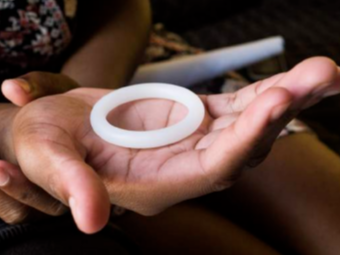
Silicone matrix vaginal ring delivering dapivirine over one month.
Technology highlight
The ring is made of a flexible silicone polymer and contains the ARV dapivirine, an NNRTI, which is dispersed in the silicone matrix and slowly released over the course of a month. The ring delivers dapivirine directly at the site of potential HIV infection, with low systemic absorption. Women insert the flexible, long-acting ring themselves into the vagina and replace it every month. EMA gave a CHMP scientific opinion under Article 58 / EU-M4all (23 July 2020). IPM withdrew the NDA from FDA in December 2021. WHO PQ (Nov 2020) . In 2025: extension of indication to women aged 16 and older. It is approved in 12 African countries.
Technology main components
Dapivirine 25 mg and silicone
Information on the raw materials sourcing, availability and anticipated price
9 to 13 USD/ring
Delivery device(s)
Silicone vaginal ring
APIs compatibility profile
API desired features
Small molecules
Dapivirine
Additional solubility data
Not provided
Additional stability data
Not provided
API loading: Maximum drug quantity to be loaded
< 10 wt%
API co-administration
1 single API : Still being investigated
LogP
Not provided
Dapivirine LogP = 5.6
Scale-up and manufacturing prospects
Scale-up prospects
current scale: ~9000 rings future scale (2022 and beyond): ~45000 rings
Tentative equipment list for manufacturing
injection molding machine mixer automated inspection machine automated packaging machine
Manufacturing
GMP ISO class 8 area
Specific analytical instrument required for characterization of formulation
HPLC tensile tester dissolution apparatus analytical balance
Clinical trials
ASPIRE
Identifier
NCT01617096
Link
https://clinicaltrials.gov/study/NCT01617096
Phase
Phase III
Status
Completed
Sponsor
International Partnership for Microbicides, Inc.
More details
This is a double-blind, randomised, placebo-controlled study to assess the safety and efficacy of a silicone elastomer vaginal matrix ring.
Purpose
Phase 3 Safety and Effectiveness Trial of Dapivirine Vaginal Ring for Prevention of HIV-1 in Women
Interventions
Intervention 1
Intervention 2
Countries
Sites / Institutions
Not provided
Trials dates
Anticipated Start Date
Not provided
Actual Start Date
2012-07-24
Anticipated Date of Last Follow-up
2022-12-19
Estimated Primary Completion Date
2012-06-12
Estimated Completion Date
2012-06-12
Actual Primary Completion Date
2015-07-03
Actual Completion Date
2015-12-01
Studied populations
Age Cohort
- Adults
Genders
- Female
- Cisgender female
- Transgender male
Accepts pregnant individuals
No
Accepts lactating individuals
No
Accepts healthy individuals
Yes
Comments about the studied populations
Inclusion Criteria: * Age 18 through 45 years (inclusive) at screening, verified per site SOPs; within this range, sites may restrict the upper age limit per site SOPs, to target women at high risk of HIV infection * Able and willing to provide written informed consent to be screened for and to take part in the study * Able and willing to provide adequate locator information, as defined in site SOPs * HIV-uninfected based on testing performed by study staff at screening and enrollment (per applicable algorithm in Appendix II) * Per participant report, sexually active, defined as having vaginal intercourse at least once in the 3 months prior to screening * Using an effective method of contraception at enrollment, and intending to use an effective method for the duration of study participat
Health status
Study type
Interventional (clinical trial)
Enrollment
2629
Allocation
Randomized
Intervention model
Parallel Assignment
Intervention model description
Not provided
Masking
Double-blind masking
Masking description
Not provided
Frequency of administration
Studied LA-formulation(s)
Studied route(s) of administration
Use case
PrEP
Indication(s)
HIV
Key resources
| Type | Title | Content | Link |
|---|---|---|---|
| Link | Patterns of Adherence to a Dapivirine Vaginal Ring for HIV-1 Prevention Among South African Women in a Phase III Randomized Controlled Trial | https://doi.org/10.1097/qai.0000000000002990 | |
| Link | Experiences with simultaneous use of contraception and the vaginal ring for HIV prevention in sub-Saharan Africa | https://doi.org/10.1186/s12905-021-01321-5 | |
| Link | Acceptability of the Dapivirine Vaginal Ring for HIV-1 Prevention and Association with Adherence in a Phase III Trial | https://doi.org/10.1007/s10461-021-03205-z | |
| Link | Risk of HIV-1 acquisition among South African women using a variety of contraceptive methods in a prospective study | https://doi.org/10.1097/qad.0000000000002260 | |
| Link | Acquisition of Sexually Transmitted Infections among Women Using a Variety of Contraceptive Options: A prospective Study among High-risk African Women | https://doi.org/10.1002/jia2.25257 | |
| Link | Clinical and Virologic Outcomes Following Initiation of Antiretroviral Therapy Among Seroconverters in the Microbicide Trials Network-020 Phase III Trial of the Dapivirine Vaginal Ring | https://doi.org/10.1093/cid/ciy909 | |
| Link | Vaginal Ring Use in a Phase 3 Microbicide Trial: A Comparison of Objective Measures and Self-reports of Non-adherence in ASPIRE | https://doi.org/10.1007/s10461-018-2261-8 | |
| Link | Use of a Vaginal Ring Containing Dapivirine for HIV-1 Prevention in Women | https://doi.org/10.1056/nejmoa1506110 | |
| Link | Experiences with simultaneous use of contraception and the vaginal ring for HIV prevention in sub-Saharan Africa | https://pubmed.ncbi.nlm.nih.gov/33892693/ | |
| Link | Patterns of Adherence to a Dapivirine Vaginal Ring for HIV-1 Prevention Among South African Women in a Phase III Randomized Controlled Trial | https://pubmed.ncbi.nlm.nih.gov/35344520/ | |
| Link | Acceptability of the Dapivirine Vaginal Ring for HIV-1 Prevention and Association with Adherence in a Phase III Trial | https://pubmed.ncbi.nlm.nih.gov/33713213/ | |
| Link | Clinical and Virologic Outcomes Following Initiation of Antiretroviral Therapy Among Seroconverters in the Microbicide Trials Network-020 Phase III Trial of the Dapivirine Vaginal Ring | https://pubmed.ncbi.nlm.nih.gov/30346511/ | |
| Link | Vaginal Ring Use in a Phase 3 Microbicide Trial: A Comparison of Objective Measures and Self-reports of Non-adherence in ASPIRE | https://pubmed.ncbi.nlm.nih.gov/30218318/ |
IPM 015
Identifier
NCT01071174
Link
https://clinicaltrials.gov/study/NCT01071174
Phase
Phase I/II
Status
Completed
Sponsor
International Partnership for Microbicides, Inc.
More details
This is a double-blind, randomized, placebo-controlled Phase I/II study to assess the safety of a silicone elastomer vaginal ring containing 25mg dapivirine.
Purpose
A Safety Study of Dapivirine Vaginal Ring in Africa
Interventions
Intervention 1
Intervention 2
Countries
Sites / Institutions
Not provided
Trials dates
Anticipated Start Date
Not provided
Actual Start Date
2010-04-01
Anticipated Date of Last Follow-up
2011-08-01
Estimated Primary Completion Date
2010-02-19
Estimated Completion Date
2010-02-19
Actual Primary Completion Date
2011-05-01
Actual Completion Date
2011-07-01
Studied populations
Age Cohort
- Adults
Genders
- Female
- Cisgender female
- Transgender male
Accepts pregnant individuals
No
Accepts lactating individuals
No
Accepts healthy individuals
Yes
Comments about the studied populations
Inclusion Criteria: * Women between 18 and 40 years of age inclusive who can provide informed consent * Available for all visits and consent to follow all procedures scheduled for the study * Healthy and self-reported sexually active * HIV-negative * On a stable form of contraception and willing to continue OR have undergone surgical sterilization at least 3 months prior to enrollment * In the absence of the use of exogenous hormone(s), have a self-reported regular menstrual cycle defined as having a minimum of 21 days and a maximum of 35 days between menses * Upon pelvic/speculum examination and colposcopy at the time of enrolment, the cervix and vagina appear normal as determined by the investigator * Asymptomatic for genital infections at the time of enrolment * Willing to refrain from
Health status
Study type
Interventional (clinical trial)
Enrollment
280
Allocation
Randomized
Intervention model
Parallel Assignment
Intervention model description
Not provided
Masking
Triple-blind masking
Masking description
Not provided
Frequency of administration
Studied LA-formulation(s)
Studied route(s) of administration
Use case
PrEP
Indication(s)
HIV
Key resources
Pharmacokinetic Study of the Dapivirine Vaginal Ring in Lactating Women
Identifier
NCT02808949
Link
https://clinicaltrials.gov/study/NCT02808949
Phase
Phase I
Status
Completed
Sponsor
International Partnership for Microbicides, Inc.
More details
Phase 1 PK Study of the Dapivirine Vaginal Ring in Lactating Women.
Purpose
Pharmacokinetic Study of the Dapivirine Vaginal Ring in Lactating Women
Interventions
Intervention 1
Countries
Sites / Institutions
Not provided
Trials dates
Anticipated Start Date
Not provided
Actual Start Date
2015-02-01
Anticipated Date of Last Follow-up
2018-03-12
Estimated Primary Completion Date
2016-06-22
Estimated Completion Date
2016-06-22
Actual Primary Completion Date
2018-03-03
Actual Completion Date
2018-03-03
Studied populations
Age Cohort
- Adults
Genders
- Female
- Cisgender female
Accepts pregnant individuals
No
Accepts lactating individuals
Yes
Accepts healthy individuals
Yes
Comments about the studied populations
Inclusion Criteria: Women must meet all of the following criteria (by self-report, unless otherwise indicated) to be eligible for inclusion in the study: 1. Age 18 or older at screening as verified per site SOP 2. Per participant report, at least 6 weeks postpartum at Enrollment 3. Willing and able to provide written informed consent to be screened for and take part in the study 4. Willing and able to provide adequate locator information, as defined in site SOP 5. Willing and able to communicate in spoken and written English 6. HIV-1/2 uninfected at Screening and Enrollment, per applicable algorithm in Appendix II and willing to receive HIV test results Note: HIV-1/2 screening may be omitted at Enrollment if the time between Screening and Enrollment is \< 30 days 7. Prior to Enrollment,
Health status
Study type
Interventional (clinical trial)
Enrollment
16
Allocation
Non-randomized
Intervention model
Single group assignment
Intervention model description
Not provided
Masking
Open label
Masking description
Not provided
Frequency of administration
Studied LA-formulation(s)
Studied route(s) of administration
Use case
PrEP
Indication(s)
HIV
Key resources
| Type | Title | Content | Link |
|---|---|---|---|
| Link | Pharmacokinetics of Dapivirine Transfer into Blood Plasma, Breast Milk, and Cervicovaginal Fluid of Lactating Women Using the Dapivirine Vaginal Ring | https://doi.org/10.1128/aac.01930-18 |
B-PROTECTED (MTN-043)
Identifier
NCT04140266
Link
https://clinicaltrials.gov/study/NCT04140266
Phase
Phase III
Status
Completed
Sponsor
National Institute of Allergy and Infectious Diseases (NIAID)
More details
The purpose of this study is to evaluate the safety and drug detection of the dapivirine vaginal ring and oral Truvada in breastfeeding mother-infant pairs.
Purpose
Safety and Drug Detection Study of Dapivirine Vaginal Ring and Oral TRUVADA® in Breastfeeding Mother-Infant Pairs
Interventions
Intervention 1
Intervention 2
Countries
Sites / Institutions
Not provided
Trials dates
Anticipated Start Date
Not provided
Actual Start Date
2020-09-24
Anticipated Date of Last Follow-up
2023-07-14
Estimated Primary Completion Date
2019-10-25
Estimated Completion Date
2019-10-25
Actual Primary Completion Date
2021-11-04
Actual Completion Date
2021-11-04
Studied populations
Age Cohort
- Children
- Adults
- Older Adults
Genders
- All
Accepts pregnant individuals
No
Accepts lactating individuals
Yes
Accepts healthy individuals
Yes
Comments about the studied populations
Inclusion Criteria: Inclusion Criteria - Mother Participant mothers must meet all the following criteria to be eligible for inclusion in the study: * Age 18 years or older at Screening, as verified per site Standard Operating Procedures (SOPs). * At Enrollment, between 6 to 12 weeks postpartum (verified by birth records and/or similar supportive documentation and defined as between 42 - 84 days after delivery, inclusive). * By participant report at Screening and Enrollment, currently exclusively breastfeeding one infant and willing and able to continue exclusively breastfeeding that infant for the duration of their participation in the study. * Note: Exclusive breastfeeding will be defined as infant nutrition solely from breast milk, as determined by 7-day recall breastfeeding histor
Health status
Study type
Interventional (clinical trial)
Enrollment
394
Allocation
Randomized
Intervention model
Parallel Assignment
Intervention model description
Not provided
Masking
Open label
Masking description
Not provided
Frequency of administration
Studied LA-formulation(s)
Studied route(s) of administration
Use case
PrEP
Indication(s)
HIV
Key resources
DELIVER (MTN-042)
Identifier
NCT03965923
Link
https://clinicaltrials.gov/study/NCT03965923
Phase
Phase III
Status
Completed
Sponsor
National Institute of Allergy and Infectious Diseases (NIAID)
More details
The purpose of this study is to evaluate the maternal and infant safety of the dapivirine (DPV) vaginal ring (VR) and daily oral Truvada in HIV-uninfected pregnant women and their infants.
Purpose
Randomized, Open Label Safety Trial of Dapivirine Vaginal Ring and Oral TRUVADA® Use in Pregnancy
Interventions
Intervention 1
Intervention 2
Countries
Sites / Institutions
Not provided
Trials dates
Anticipated Start Date
Not provided
Actual Start Date
2020-01-09
Anticipated Date of Last Follow-up
2025-07-24
Estimated Primary Completion Date
2019-05-29
Estimated Completion Date
2019-05-29
Actual Primary Completion Date
2024-05-13
Actual Completion Date
2024-05-13
Studied populations
Age Cohort
- Adults
Genders
- Female
- Cisgender female
- Transgender male
Accepts pregnant individuals
Yes
Accepts lactating individuals
No
Accepts healthy individuals
Yes
Comments about the studied populations
Inclusion Criteria: * Age 18 through 40 years (inclusive) at Enrollment, verified per site standard operating procedures (SOPs). * At Enrollment, evidence of a viable, intrauterine, singleton pregnancy with sonographic confirmation, including for gestational age assessment. * Note: If adequate (per judgment of Investigator of Record \[IoR\]/designee) sonographic results are not available from medical records at Screening, an ultrasound must be performed and results be available for review at Enrollment for all Cohorts. The ultrasound should be performed no later than the 36th week of gestation for Cohort 1 or the 28th week of gestation for Cohort 2. * At Enrollment, pregnancy within gestational age limits of the currently enrolling cohort (per the study protocol). * HIV-uninfected base
Health status
Study type
Interventional (clinical trial)
Enrollment
1104
Allocation
Randomized
Intervention model
Sequential assignment
Intervention model description
Not provided
Masking
Open label
Masking description
Not provided
Frequency of administration
Studied LA-formulation(s)
Studied route(s) of administration
Use case
PrEP
Indication(s)
HIV
Key resources
MTN-025 (HOPE)
Identifier
NCT02858037
Link
https://clinicaltrials.gov/study/NCT02858037
Phase
Phase III
Status
Completed
Sponsor
International Partnership for Microbicides, Inc.
More details
HIV Open-label Prevention Extension (HOPE).
Purpose
Trial to Assess the Continued Safety of and Adherence to a Vaginal Ring Containing Dapivirine in Women
Interventions
Intervention 1
Countries
Sites / Institutions
Not provided
Trials dates
Anticipated Start Date
Not provided
Actual Start Date
2016-07-18
Anticipated Date of Last Follow-up
2022-10-24
Estimated Primary Completion Date
2016-08-08
Estimated Completion Date
2016-08-08
Actual Primary Completion Date
2018-10-10
Actual Completion Date
2018-10-10
Studied populations
Age Cohort
- Adults
Genders
- Female
- Cisgender female
- Transgender male
Accepts pregnant individuals
No
Accepts lactating individuals
No
Accepts healthy individuals
Yes
Comments about the studied populations
Inclusion Criteria: Women must meet all of the following criteria to be eligible for inclusion in the study 1. Previously enrolled in MTN-020 (ASPIRE) 2. Able and willing to provide written informed consent to be screened for and to take part in the study 3. Able and willing to provide adequate locator information, as defined in site SOPs 4. HIV-uninfected based on testing performed by study staff at Screening and Enrollment 5. Using an effective method of contraception at Enrollment, and intending to use an effective method for the duration of study participation; effective methods include hormonal methods (except contraceptive ring); intrauterine contraceptive device (IUCD); and sterilization (of participant, as defined in site SOPs) 6. At Screening and Enrollment, agrees not to partic
Health status
Study type
Interventional (clinical trial)
Enrollment
1456
Allocation
Not provided
Intervention model
Single group assignment
Intervention model description
Participants will receive a silicone elastomer vaginal matrix ring containing 25 mg of dapivirine to be replaced each month for a total period of 12 months of use.
Masking
Open label
Masking description
Not provided
Frequency of administration
Studied LA-formulation(s)
Studied route(s) of administration
Use case
PrEP
Indication(s)
HIV
Key resources
| Type | Title | Content | Link |
|---|---|---|---|
| Link | Safety, uptake, and use of a dapivirine vaginal ring for HIV-1 prevention in African women (HOPE): an open-label, extension study | https://doi.org/10.1016/s2352-3018(20)30304-0 | |
| Link | Sharing Objective Measures of Adherence to a Vaginal Microbicide Promotes Candor About Actual Use and Bolsters Motivation to Prevent HIV | https://doi.org/10.1007/s10461-020-03026-6 |
IPM 027
Identifier
NCT01539226
Link
https://clinicaltrials.gov/study/NCT01539226
Phase
Phase III
Status
Completed
Sponsor
International Partnership for Microbicides, Inc.
More details
This is a double-blind, randomised, placebo-controlled study to assess the safety and efficacy of a silicone elastomer vaginal matrix ring.
Purpose
Safety and Efficacy Trial of a Dapivirine Vaginal Matrix Ring in Healthy HIV-Negative Women
Interventions
Intervention 1
Intervention 2
Countries
Sites / Institutions
Not provided
Trials dates
Anticipated Start Date
Not provided
Actual Start Date
2012-03-27
Anticipated Date of Last Follow-up
2022-09-26
Estimated Primary Completion Date
2012-02-27
Estimated Completion Date
2012-02-27
Actual Primary Completion Date
2016-12-13
Actual Completion Date
2016-12-13
Studied populations
Age Cohort
- Adults
Genders
- Female
- Cisgender female
- Transgender male
Accepts pregnant individuals
No
Accepts lactating individuals
No
Accepts healthy individuals
Yes
Comments about the studied populations
Inclusion Criteria: * Women \> 18 and \< 45 years of age, at screening, who can provide informed consent; * Available for all visits and consent to follow all procedures scheduled for the trial; * Self-reported sexually active (defined as an average of at least one penetrative penile-vaginal coital act per month for the last 3 months prior to screening); * HIV-negative as determined by the HIV algorithm applied at screening and enrolment; * On a stable form of contraception as defined within section 5.4 and willing to continue on stable contraception for the duration of the clinical trial, unless post-menopausal or surgically sterilised; * Asymptomatic for genital infections at the time of enrolment (if a woman is diagnosed with any clinically significant curable STI, she must have initia
Health status
Study type
Interventional (clinical trial)
Enrollment
1959
Allocation
Randomized
Intervention model
Parallel Assignment
Intervention model description
Not provided
Masking
Double-blind masking
Masking description
Not provided
Frequency of administration
Studied LA-formulation(s)
Studied route(s) of administration
Use case
PrEP
Indication(s)
HIV
Key resources
| Type | Title | Content | Link |
|---|---|---|---|
| Link | Safety and Efficacy of a Dapivirine Vaginal Ring for HIV Prevention in Women | https://doi.org/10.1056/nejmoa1602046 | |
| Link | Assessment of risk compensation following use of the dapivirine vaginal ring in southwestern Uganda | https://doi.org/10.1136/sextrans-2020-054718 |
DREAM (IPM 032)
Identifier
NCT02862171
Link
https://clinicaltrials.gov/study/NCT02862171
Phase
Phase III
Status
Completed
Sponsor
International Partnership for Microbicides, Inc.
More details
A follow-on, open label trial to assess continued safety of and adherence to the Dapivirine(25mg) vaginal ring-004 in healthy, HIV-negative women
Purpose
To Assess Continued Safety of and Adherence to the Dapivirine (25 mg) Vaginal Ring-004 in Healthy, HIV-negative Women
Interventions
Intervention 1
Countries
Sites / Institutions
Not provided
Trials dates
Anticipated Start Date
Not provided
Actual Start Date
2016-07-12
Anticipated Date of Last Follow-up
2022-10-24
Estimated Primary Completion Date
2016-08-10
Estimated Completion Date
2016-08-10
Actual Primary Completion Date
2019-01-11
Actual Completion Date
2019-01-11
Studied populations
Age Cohort
- Adults
Genders
- Female
- Cisgender female
- Transgender male
Accepts pregnant individuals
No
Accepts lactating individuals
No
Accepts healthy individuals
Yes
Comments about the studied populations
Inclusion Criteria: Women must meet all the following criteria to be eligible to enrol in the trial: 1. Previously enrolled in the IPM 027 trial 2. Available for all visits and consent to follow all procedures scheduled for the trial 3. Using an effective method of contraception at the Enrolment Visit, and intending to use an effective contraceptive method for the duration of trial participation, unless post-menopausal with no history of menses for one year prior to screening 4. HIV-negative as determined by the HIV algorithm applied at Screening/Pre- Enrolment 5. Willing to refrain from participation in another research trial using drugs, vaccines, medical devices and microbicides for the duration of the IPM 032 trial 6. Willing to provide adequate locator information for trial retentio
Health status
Study type
Interventional (clinical trial)
Enrollment
941
Allocation
Not provided
Intervention model
Single group assignment
Intervention model description
Not provided
Masking
Open label
Masking description
Not provided
Frequency of administration
Studied LA-formulation(s)
Studied route(s) of administration
Use case
PrEP
Indication(s)
HIV
Key resources
| Type | Title | Content | Link |
|---|---|---|---|
| Link | Safety, adherence, and HIV-1 seroconversion among women using the dapivirine vaginal ring (DREAM): an open-label, extension study | https://doi.org/10.1016/S2352-3018(20)30300-3 |
IPM 018
Identifier
NCT00469768
Link
https://clinicaltrials.gov/ct2/show/NCT00469768
Phase
Phase I
Status
Completed
Sponsor
International Partnership for Microbicides, Inc.
More details
Not provided
Purpose
Evaluate the pharmacokinetics and safety of a 25 mg of Dapivirine intravaginal ring in HIV-uninfected women to determine the release of Dapivirine from the reservoir and matrix.
Interventions
Intervention 1
Intervention 2
Intervention 3
Countries
Sites / Institutions
Not provided
Trials dates
Anticipated Start Date
Not provided
Actual Start Date
2007-05-01
Anticipated Date of Last Follow-up
Not provided
Estimated Primary Completion Date
Not provided
Estimated Completion Date
Not provided
Actual Primary Completion Date
2007-08-01
Actual Completion Date
2007-08-01
Studied populations
Age Cohort
- Adults
Genders
- Cisgender female
Accepts pregnant individuals
No
Accepts lactating individuals
No
Accepts healthy individuals
Yes
Comments about the studied populations
Women aged between 18-35 years.
Health status
Study type
Interventional (clinical trial)
Enrollment
24
Allocation
Randomized
Intervention model
Parallel Assignment
Intervention model description
Not provided
Masking
Double-blind masking
Masking description
Double (Participant, Investigator)
Frequency of administration
Studied LA-formulation(s)
Studied route(s) of administration
Use case
PrEP
Indication(s)
HIV
Key resources
IPM 001
Identifier
NCT00700284
Link
https://clinicaltrials.gov/ct2/show/NCT00700284
Phase
Phase I
Status
Completed
Sponsor
International Partnership for Microbicides, Inc.
More details
Not provided
Purpose
Evaluate the feasibility, safety and tolerability of utilising a vaginal ring delivery system to administer TMC120 (dapivirine).
Interventions
Intervention 1
Intervention 2
Countries
Sites / Institutions
Not provided
Trials dates
Anticipated Start Date
Not provided
Actual Start Date
2004-10-01
Anticipated Date of Last Follow-up
Not provided
Estimated Primary Completion Date
Not provided
Estimated Completion Date
Not provided
Actual Primary Completion Date
2005-01-01
Actual Completion Date
2005-01-01
Studied populations
Age Cohort
- Adults
Genders
- Cisgender female
Accepts pregnant individuals
No
Accepts lactating individuals
No
Accepts healthy individuals
Yes
Comments about the studied populations
Women aged between 18-50 years.
Health status
Study type
Interventional (clinical trial)
Enrollment
12
Allocation
Non-randomized
Intervention model
Cross-over assignment
Intervention model description
Not provided
Masking
Open label
Masking description
None (Open Label)
Frequency of administration
Studied LA-formulation(s)
Studied route(s) of administration
Use case
PrEP
Indication(s)
HIV
Key resources
IPM 054
Identifier
NCT05416021
Link
https://clinicaltrials.gov/study/NCT05416021
Phase
Phase I
Status
Completed
Sponsor
International Partnership for Microbicides, Inc.
More details
A Phase I, Open-Label, Randomized, Crossover Trial to Investigate the Relative Bioavailability of the 25 mg Dapivirine Vaginal Ring-004 inserted every 30 days and 100 mg Dapivirine Vaginal Ring-008 inserted for 90 days in Healthy Female Participants
Purpose
Relative Bioavailability Trial of Dapivirine Ring-004 and Ring-008
Interventions
Intervention 1
Countries
Sites / Institutions
Not provided
Trials dates
Anticipated Start Date
Not provided
Actual Start Date
2022-08-01
Anticipated Date of Last Follow-up
2024-07-02
Estimated Primary Completion Date
2024-04-01
Estimated Completion Date
2024-04-01
Actual Primary Completion Date
2024-04-02
Actual Completion Date
2024-07-02
Studied populations
Age Cohort
- Adults
Genders
- Female
- Cisgender female
- Transgender male
Accepts pregnant individuals
No
Accepts lactating individuals
No
Accepts healthy individuals
Yes
Comments about the studied populations
Inclusion Criteria: 1. Assigned female sex at birth per participant report\* 2. Age 18 through 45 years (inclusive) at Screening, verified by national identification book/card 3. Able and willing to provide written informed consent to be screened for and enrolled in IPM 054 4. Able and willing to provide adequate locator information for trial retention purposes and be reachable per local standard procedures, eg, by home visit or telephone, or via family or close neighbour contacts (confidentiality to be maintained) 5. Able to complete a diary card 6. Available for all visits and able and willing to comply with all trial procedural requirements 7. Willing to comply with abstinence and other protocol requirements 8. Willing to use male condoms for penile-vaginal intercourse and penile-recta
Health status
Study type
Interventional (clinical trial)
Enrollment
124
Allocation
Randomized
Intervention model
Cross-over assignment
Intervention model description
Not provided
Masking
Open label
Masking description
None (Open Label)
Frequency of administration
Studied LA-formulation(s)
Studied route(s) of administration
Use case
PrEP
Indication(s)
HIV
Key resources
IPM 034
Identifier
NCT01952561
Link
https://clinicaltrials.gov/ct2/show/NCT01952561
Phase
Phase I
Status
Completed
Sponsor
International Partnership for Microbicides, Inc.
More details
Not provided
Purpose
Evaluate the blood and vaginal pharmacokinetics of a 25mg Dapivirine vaginal ring worn for 1, 2, 4, 8 or 12 months.
Interventions
Intervention 1
Countries
Not provided
Sites / Institutions
Not provided
Trials dates
Anticipated Start Date
Not provided
Actual Start Date
2013-11-01
Anticipated Date of Last Follow-up
Not provided
Estimated Primary Completion Date
Not provided
Estimated Completion Date
Not provided
Actual Primary Completion Date
2014-03-01
Actual Completion Date
2014-05-01
Studied populations
Age Cohort
- Adults
Genders
- Cisgender female
Accepts pregnant individuals
No
Accepts lactating individuals
No
Accepts healthy individuals
Yes
Comments about the studied populations
Women between 18-40 years of age.
Health status
Study type
Interventional (clinical trial)
Enrollment
40
Allocation
Randomized
Intervention model
Parallel Assignment
Intervention model description
Not provided
Masking
Open label
Masking description
None (Open Label)
Frequency of administration
Studied LA-formulation(s)
Studied route(s) of administration
Use case
PrEP
Indication(s)
HIV
Key resources
MTN-023/IPM 030
Identifier
NCT02028338
Link
https://clinicaltrials.gov/study/NCT02028338
Phase
Phase II
Status
Completed
Sponsor
International Partnership for Microbicides, Inc.
More details
To assess the safety of dapivirine (25 mg) administered via a silicone vaginal ring in HIV-uninfected adolescent females, when inserted once every 4 weeks during 24-week of study product use.
Purpose
Study of Dapivirine Vaginal Ring (VR) in Adolescents
Interventions
Intervention 1
Intervention 2
Countries
Sites / Institutions
Not provided
Trials dates
Anticipated Start Date
Not provided
Actual Start Date
2014-06-27
Anticipated Date of Last Follow-up
2022-09-26
Estimated Primary Completion Date
Not provided
Estimated Completion Date
Not provided
Actual Primary Completion Date
2016-07-05
Actual Completion Date
2018-06-08
Studied populations
Age Cohort
- Children
Genders
- Female
- Cisgender female
- Transgender male
Accepts pregnant individuals
No
Accepts lactating individuals
No
Accepts healthy individuals
Yes
Comments about the studied populations
Inclusion Criteria: 1. Age 15 through 17 years (inclusive) at Enrollment, verified per site SOPs 2. Able and willing to provide written informed assent/consent and able to obtain written parental or guardian permission (as specified in site SOP) to be screened for and to enroll in MTN-023/IPM 030 3. Able and willing to provide adequate locator information, as defined in site SOPs 4. Able to communicate in spoken and written English 5. Able and willing to comply with all study procedural requirements 6. Per participant report at Screening and Enrollment, willing to abstain from inserting anything into the vagina for 72 hours prior to each follow-up visit, including abstaining from penile-vaginal intercourse. Note: In the event the vaginal ring has been expelled and requires reinsertion, re
Health status
Study type
Interventional (clinical trial)
Enrollment
96
Allocation
Randomized
Intervention model
Parallel Assignment
Intervention model description
Not provided
Masking
Quadruple-blind masking
Masking description
Quadruple (Participant, Care Provider, Investigator, Outcomes Assessor)
Frequency of administration
Studied LA-formulation(s)
Studied route(s) of administration
Use case
PrEP
Indication(s)
HIV
Key resources
| Type | Title | Content | Link |
|---|---|---|---|
| Link | Outline Images Download Cite Share Favorites Permissions PREVENTION RESEARCH Brief Report: Phase IIa Safety Study of a Vaginal Ring Containing Dapivirine in Adolescent Young Women | https://doi.org/10.1097/qai.0000000000002244 |
IPM024
Identifier
NCT02920827
Link
https://clinicaltrials.gov/study/NCT02920827
Phase
Phase I
Status
Completed
Sponsor
International Partnership for Microbicides, Inc.
More details
The proposed study is a single center, double-blind placebo-controlled trial to assess the safety and tolerability of the dapivirine ring as compared to a placebo ring when inserted for 28 days in 16 healthy, HIV-negative women.
Purpose
Safety and Pharmacokinetic Trial in Healthy HIV-Negative Women to Assess the Delivery of Dapivirine From a Vaginal Ring
Interventions
Intervention 1
Intervention 2
Countries
Sites / Institutions
Not provided
Trials dates
Anticipated Start Date
Not provided
Actual Start Date
2009-08-01
Anticipated Date of Last Follow-up
2017-09-05
Estimated Primary Completion Date
Not provided
Estimated Completion Date
Not provided
Actual Primary Completion Date
2010-04-01
Actual Completion Date
2010-04-01
Studied populations
Age Cohort
- Adults
Genders
- Female
- Cisgender female
- Transgender male
Accepts pregnant individuals
No
Accepts lactating individuals
No
Accepts healthy individuals
Yes
Comments about the studied populations
Inclusion Criteria: * were females between 18 and 40 years of age, inclusive * were willing and able to give written, informed consent * were available for all visits and consented to follow all procedures scheduled for the trial * were healthy, based on medical history, vital signs, physical examination, urinalysis (dipstick and microscopy), laboratory evaluations for genital infections (gonorrhea, chlamydia and trichomonas), and laboratory evaluations for hematology and biochemistry * were HIV-negative, as determined by an HIV test at screening * were willing to abstain from sexual activity for the duration of the period of ring use * were on a stable form of contraception, defined as a stable oral contraceptive regimen for at least two months prior to enrollment; OR a transdermal contr
Health status
Study type
Interventional (clinical trial)
Enrollment
16
Allocation
Randomized
Intervention model
Parallel Assignment
Intervention model description
Not provided
Masking
Double-blind masking
Masking description
Double (Participant, Investigator)
Frequency of administration
Studied LA-formulation(s)
Studied route(s) of administration
Use case
PrEP
Indication(s)
HIV
Key resources
IPM 013
Identifier
NCT01144676
Link
https://clinicaltrials.gov/ct2/show/NCT01144676
Phase
Phase I
Status
Completed
Sponsor
International Partnership for Microbicides, Inc.
More details
Not provided
Purpose
Evaluate the delivery of dapivirine from matrix intravaginal rings to assess the safety in comparison to placebo intravaginal rings in HIV-uninfected sexually active women.
Interventions
Intervention 1
Intervention 2
Countries
Sites / Institutions
Not provided
Trials dates
Anticipated Start Date
Not provided
Actual Start Date
2010-04-01
Anticipated Date of Last Follow-up
Not provided
Estimated Primary Completion Date
Not provided
Estimated Completion Date
Not provided
Actual Primary Completion Date
2010-09-01
Actual Completion Date
2010-09-01
Studied populations
Age Cohort
- Adults
Genders
- Cisgender female
Accepts pregnant individuals
No
Accepts lactating individuals
No
Accepts healthy individuals
Yes
Comments about the studied populations
Women aged between 18-40 years.
Health status
Study type
Interventional (clinical trial)
Enrollment
45
Allocation
Randomized
Intervention model
Parallel Assignment
Intervention model description
Not provided
Masking
Double-blind masking
Masking description
Double (Participant, Investigator)
Frequency of administration
Studied LA-formulation(s)
Studied route(s) of administration
Use case
PrEP
Indication(s)
HIV
Key resources
IPM008, TMC120-C131
Identifier
NCT00332995
Link
https://clinicaltrials.gov/study/NCT00332995
Phase
Phase I
Status
Completed
Sponsor
International Partnership for Microbicides, Inc.
More details
This Phase I trial will assess the feasibility of using a vaginal ring to deliver the candidate microbicide dapivirine (TMC120) for 7 days. The study population will consist of 13 healthy, sexually abstinent women. Safety and tolerability will be assessed through clinical and laboratory assessments. Feasibility of drug delivery will be assessed by measuring dapivirine (TMC120) concentrations in vaginal fluids, vaginal and cervical epithelial tissue, and plasma.
Purpose
Safety and Feasibility Study of Dapivirine (TMC120) Vaginal Ring in Belgium
Interventions
Intervention 1
Countries
Sites / Institutions
Not provided
Trials dates
Anticipated Start Date
Not provided
Actual Start Date
2005-07-01
Anticipated Date of Last Follow-up
2009-08-31
Estimated Primary Completion Date
Not provided
Estimated Completion Date
Not provided
Actual Primary Completion Date
2005-08-01
Actual Completion Date
2005-08-01
Studied populations
Age Cohort
- Adults
Genders
- Female
- Cisgender female
- Transgender male
Accepts pregnant individuals
No
Accepts lactating individuals
No
Accepts healthy individuals
Yes
Comments about the studied populations
Inclusion Criteria: * Female, age 18-50 years * Willing and able to provide written informed consent * HIV-uninfected and otherwise healthy * Willing to abstain from sexual activity and from use of vaginal products while participating in the study * Currently using oral contraceptives for pregnancy prevention * Willing to use oral contraceptives as needed to avoid menstruation while taking part in this study Exclusion Criteria: * History of allergy to TMC120 or to the constituents of the vaginal ring * History of diagnosis of and/or treatment for a sexually transmitted disease within the last three months * History of genital tract surgery within the last month * Currently pregnant or breastfeeding, or within two months of last pregnancy outcome * Currently or within one month of partic
Health status
Study type
Interventional (clinical trial)
Enrollment
13
Allocation
Randomized
Intervention model
Parallel Assignment
Intervention model description
Not provided
Masking
Double-blind masking
Masking description
Not provided
Frequency of administration
Studied LA-formulation(s)
Studied route(s) of administration
Use case
PrEP
Indication(s)
HIV
Key resources
MTN-036/IPM 047
Identifier
NCT03234400
Link
https://clinicaltrials.gov/study/NCT03234400
Phase
Phase I
Status
Completed
Sponsor
International Partnership for Microbicides, Inc.
More details
Participants will be randomized to one of three study vaginal rings (VRs) in a 1:1:1 ratio, 25 mg, 100 mg or 200 mg VRs.
Purpose
A Phase 1, Randomized Pharmacokinetics and Safety Study of Extended Duration Dapivirine Vaginal Rings
Interventions
Intervention 1
Intervention 2
Intervention 3
Countries
Sites / Institutions
Not provided
Trials dates
Anticipated Start Date
Not provided
Actual Start Date
2017-12-04
Anticipated Date of Last Follow-up
2019-01-25
Estimated Primary Completion Date
Not provided
Estimated Completion Date
Not provided
Actual Primary Completion Date
2018-10-23
Actual Completion Date
2019-01-23
Studied populations
Age Cohort
- Adults
Genders
- Female
- Cisgender female
- Transgender male
Accepts pregnant individuals
No
Accepts lactating individuals
No
Accepts healthy individuals
Yes
Comments about the studied populations
Inclusion Criteria: * Assigned female sex at birth Note: Participants who are female at birth, who now identify as male, will not be excluded so long as they are not on female-to-male transition therapy. * Age 18 through 45 years (inclusive) at Screening, verified per site SOPs * Able and willing to provide written informed consent to be screened for and enrolled in MTN-036/IPM 047 * Able and willing to provide adequate locator information, as defined in site SOPs * Able to communicate in spoken and written English * Available for all visits and able and willing to comply with all study procedural requirements * Willing to comply with abstinence and other protocol requirements * Willing to use male condoms for penile-vaginal intercourse (PVI) and penile-rectal intercourse for the duration
Health status
Study type
Interventional (clinical trial)
Enrollment
49
Allocation
Randomized
Intervention model
Parallel Assignment
Intervention model description
Not provided
Masking
Single blind masking
Masking description
Single (Participant)
Frequency of administration
Studied LA-formulation(s)
Studied route(s) of administration
Use case
PrEP
Indication(s)
HIV
Key resources
| Type | Title | Content | Link |
|---|---|---|---|
| Link | Phase 1 pharmacokinetics and safety study of extended duration dapivirine vaginal rings in the United States | https://doi.org/10.1002/jia2.25747 | |
| Link | Users' Preferred Characteristics of Vaginal Rings for HIV Prevention: A Qualitative Analysis of Two Phase I Trials | https://doi.org/10.1089/aid.2021.0077 |
IPM 009B
Identifier
NCT01337583
Link
https://clinicaltrials.gov/study/NCT01337583
Phase
Phase III
Status
Withdrawn
Sponsor
International Partnership for Microbicides, Inc.
More details
This is a double-blind, randomized, placebo-controlled Phase III study to asses the safety and efficacy of a silicone elastomer vaginal ring containing 25mg of dapivirine.
Purpose
A Safety and Efficacy Trial of Dapivirine Vaginal Ring in Africa
Interventions
Intervention 1
Intervention 2
Intervention 3
Countries
Sites / Institutions
Not provided
Trials dates
Anticipated Start Date
Not provided
Actual Start Date
2011-07-01
Anticipated Date of Last Follow-up
2012-06-08
Estimated Primary Completion Date
2014-07-01
Estimated Completion Date
2014-07-01
Actual Primary Completion Date
2014-07-01
Actual Completion Date
2014-07-01
Studied populations
Age Cohort
- Adults
Genders
- Female
- Cisgender female
- Transgender male
Accepts pregnant individuals
No
Accepts lactating individuals
No
Accepts healthy individuals
Yes
Comments about the studied populations
Inclusion Criteria: * Women \>18 and \<40 years of age who can provide informed consent * Available for all visits and consent to follow all procedures scheduled for the trial * Generally healthy and self-reported sexually active (defined as an average of at least one penetrative penile vaginal coital act per month for the last 3 months prior to enrolment) * HIV-negative as determined by the HIV algorithm applied at screening and enrolment * On a stable form of contraception and willing to continue on stable contraception for the duration of the clinical trial; * Asymptomatic for genital infections at the time of enrolment (if a woman is diagnosed with any clinically significant treatable STI, she must have initiated treatment at least 1 week prior to enrolment and have completed the full
Health status
Study type
Interventional (clinical trial)
Enrollment
Not provided
Allocation
Randomized
Intervention model
Parallel Assignment
Intervention model description
Not provided
Masking
Double-blind masking
Masking description
Double (Participant, Investigator)
Frequency of administration
Studied LA-formulation(s)
Studied route(s) of administration
Use case
PrEP
Indication(s)
HIV
Key resources
MTN-034
Identifier
NCT03593655
Link
https://clinicaltrials.gov/study/NCT03593655
Phase
Phase II
Status
Completed
Sponsor
National Institute of Allergy and Infectious Diseases (NIAID)
More details
The purpose of this study is to evaluate the safety of and adherence to a vaginal matrix ring (VR) containing dapivirine and oral emtricitabine/tenofovir disoproxil fumarate (FTC/TDF) in adolescent and young adult females.
Purpose
Evaluating the Safety of and Adherence to a Vaginal Matrix Ring Containing Dapivirine and Oral Emtricitabine/Tenofovir Disoproxil Fumarate in an Adolescent and Young Adult Female Population
Interventions
Intervention 1
Intervention 2
Countries
Sites / Institutions
Not provided
Trials dates
Anticipated Start Date
Not provided
Actual Start Date
2019-01-14
Anticipated Date of Last Follow-up
2023-06-20
Estimated Primary Completion Date
Not provided
Estimated Completion Date
Not provided
Actual Primary Completion Date
2021-09-09
Actual Completion Date
2021-09-09
Studied populations
Age Cohort
- Children
- Adults
Genders
- Female
- Cisgender female
- Transgender male
Accepts pregnant individuals
No
Accepts lactating individuals
No
Accepts healthy individuals
Yes
Comments about the studied populations
Inclusion Criteria: * Age 16 through 21 years (inclusive) at Enrollment, verified per site standard operating procedures (SOPs). * Able and willing to provide informed consent, and if under the legal age of consent be able to provide informed assent and obtain parental or guardian permission/consent, to be screened for and to enroll in MTN-034 (as specified in site SOP). * Able and willing to provide adequate locator information, as defined in site SOPs. * Able and willing to comply with all study procedural requirements. * Per participant report at Screening, post-menarche. * HIV-uninfected based on testing performed at Screening and Enrollment (per protocol algorithms found in the study protocol). * Per participant report at Screening, history of at least one episode of sexual intercour
Health status
Study type
Interventional (clinical trial)
Enrollment
247
Allocation
Randomized
Intervention model
Cross-over assignment
Intervention model description
Not provided
Masking
Open label
Masking description
None (Open Label)
Frequency of administration
Studied LA-formulation(s)
Studied route(s) of administration
Use case
PrEP
Indication(s)
HIV
Key resources
IPM 035
Identifier
NCT02858024
Link
https://clinicaltrials.gov/study/NCT02858024
Phase
Phase I
Status
Completed
Sponsor
International Partnership for Microbicides, Inc.
More details
A Two-Cohort, Open-Label, Randomised, Three-Period Crossover Trial In Healthy HIV-Negative Women To Assess The Effect Of Menses And Tampon Use On The Pharmacokinetics Of Dapivirine, Delivered By Dapivirine Vaginal Ring-004, Containing 25 Mg Of Dapivirine
Purpose
A Trial In Healthy HIV-Negative Women To Assess The Effect Of Menses And Tampon Use On The Pharmacokinetics Of Dapivirine, Delivered By Dapivirine Vaginal Ring-004, Containing 25 Mg Of Dapivirine
Interventions
Intervention 1
Intervention 2
Intervention 3
Intervention 4
Intervention 5
Countries
Not provided
Sites / Institutions
Not provided
Trials dates
Anticipated Start Date
Not provided
Actual Start Date
2015-01-12
Anticipated Date of Last Follow-up
2017-09-05
Estimated Primary Completion Date
Not provided
Estimated Completion Date
Not provided
Actual Primary Completion Date
2016-04-16
Actual Completion Date
2016-04-16
Studied populations
Age Cohort
- Adults
Genders
- Female
- Cisgender female
- Transgender male
Accepts pregnant individuals
No
Accepts lactating individuals
No
Accepts healthy individuals
Yes
Comments about the studied populations
Inclusion Criteria: Participants must meet all the following criteria to be eligible to enroll in the trial: 1. Women 18 and ≤ 40 years of age who can give written informed consent; 2. Available for all visits and consent to follow all procedures scheduled for the trial; 3. Healthy, based on medical history, vital signs, physical examination, urinalysis (dipstick and microscopy \[if indicated\]), laboratory evaluations for genital infections (bacterial vaginosis, gonorrhoea, chlamydia, and trichomonas), and laboratory evaluations for haematology and biochemistry; 4. HIV-negative as determined by an HIV test at screening; 5. On a stable oral contraceptive regimen for at least three months prior to screening; 6. Upon pelvic examination at the time of enrollment, the cervix and vagina appea
Health status
Study type
Interventional (clinical trial)
Enrollment
16
Allocation
Randomized
Intervention model
Cross-over assignment
Intervention model description
Not provided
Masking
Open label
Masking description
None (Open Label)
Frequency of administration
Studied LA-formulation(s)
Studied route(s) of administration
Use case
PrEP
Indication(s)
HIV
Key resources
MTN-024/IPM031
Identifier
NCT02010593
Link
https://clinicaltrials.gov/study/NCT02010593
Phase
Phase II
Status
Completed
Sponsor
International Partnership for Microbicides, Inc.
More details
This study will evaluate the safety of the dapivirine vaginal ring when inserts once every 4 weeks in postmenopausal women over 12 weeks of product use.
Purpose
Safety and Pharmacokinetics of Dapivirine Vaginal Ring in Post-menopausal Women
Interventions
Intervention 1
Intervention 2
Countries
Sites / Institutions
Not provided
Trials dates
Anticipated Start Date
Not provided
Actual Start Date
2013-12-01
Anticipated Date of Last Follow-up
2022-11-02
Estimated Primary Completion Date
Not provided
Estimated Completion Date
Not provided
Actual Primary Completion Date
2015-04-01
Actual Completion Date
2015-04-01
Studied populations
Age Cohort
- Adults
- Older Adults
Genders
- Female
- Cisgender female
- Transgender male
Accepts pregnant individuals
No
Accepts lactating individuals
No
Accepts healthy individuals
Yes
Comments about the studied populations
Inclusion Criteria: 1. Age 45 through 65 years (inclusive) at Screening, verified per site SOPs 2. Per participant report, postmenopausal at Screening, defined as amenorrhoeic for the past 12 months (minimum) or at least 6 months status post-bilateral oophorectomy 3. Follicle-stimulating hormone (FSH) level at 40 mIU/ml or higher at Screening 4. Able and willing to provide written informed consent to be screened for and enrolled in MTN-024/IPM 031 5. Able to communicate in spoken and written English 6. Able and willing to comply with all study procedural requirements 7. Willing to only use study provided and/or approved vaginal products throughout the duration of study participation. 8. Willing to abstain from inserting study approved lubricant into the vagina for 72 hours prior to each v
Health status
Study type
Interventional (clinical trial)
Enrollment
96
Allocation
Randomized
Intervention model
Parallel Assignment
Intervention model description
Not provided
Masking
Double-blind masking
Masking description
Double (Participant, Investigator)
Frequency of administration
Studied LA-formulation(s)
Studied route(s) of administration
Use case
PrEP
Indication(s)
HIV
Key resources
| Type | Title | Content | Link |
|---|---|---|---|
| Link | Acceptability of the Dapivirine Vaginal Ring in Postmenopausal US Women | https://doi.org/10.1089/apc.2022.0002 | |
| Link | Phase 2a Safety, Pharmacokinetics, and Acceptability of Dapivirine Vaginal Rings in US Postmenopausal Women | https://doi.org/10.1093/cid/ciy654 |
Excipients
Proprietary excipients used
silicone elastomer for extended use
Novel excipients or existing excipients at a concentration above Inactive Ingredients Database (IID) for the specified route of administration
excipient has been included in regulatory dossier for product
Residual solvents used
No residual solvent used
Additional features
Other features of the technology
- Drug-eluting
- Removable
- Molded
- Room temperature storage
- At least 1 year shelf life
Release properties
Releases dapivirine over a one-month period
Injectability
Not Applicable
Stability
ICH Climate Zone IV (A/B)
Storage conditions and cold-chain related features
5 years shelf life This product does not require specific temperature storage conditions. Store in the original package to protect from light.
Safety, Efficacy and Evidence Summary
Safety
There were no safety concerns with long-term use of the ring in Phase III clinical studies. Data from two open-label (Phase IIIB) studies show a similar favorable safety profile as do 12 smaller safety studies.
Efficacy
Not provided
Evidence Summary
Not provided
Potential application(s)
Therapeutic area(s)
Use case(s)
Use of technology
Ease of administration
- Administered by a community health worker
- Administered by a nurse
- Administered by a specialty health worker
- Self-administered
Frequency of administration
Monthly
User acceptance
Targeted user groups
Age Cohort- Adolescents
- Adults
- Female
Pregnant individuals
Yes
Lactating individuals
Yes
Healthy individuals
Yes
Comment
Women at substantial risk of contracting HIV through receptive vaginal sex
Potential associated API(s)
Dapivirine (DPV)
Class(es)
microbicide
Development stage
Marketed
Clinical trial(s)
Not provided
Foreseen/approved indication(s)
Prevention of HIV infection through vaginal sex
Foreseen user group
women older than 18 at substantial risk of contracting HIV through vaginal sex
Foreseen duration between application(s)
1 month
Applications to Stringent Regulatory Authorities (SRA) / regulatory approvals
Positive scientific opinion from the European Medicines Agency for use among women ages 18 and older in developing countries. in WHO guidelines
Patent info
Technology patent families
Not patent applicable for this technology
Dapivirine 25 mg (vaginal ring)
Patent informations
| Patent description | Representative patent | Categories | Patent holder | Licence with MPP | Patent source |
|---|---|---|---|---|---|
|
Dapivirine compounds and analogues (Markush structure)
Expiry date: 2019-03-24 The invention is concerned with pyrimidine derivatives having HIV replication inhibiting properties. The invention further relates to methods for their preparation and pharmaceutical compositions comprising them. The invention also relates to the use of said compounds in the manufacture of a medicament useful for the treatment of subjects suffering from HIV (Human Immunodeficiency Virus) infection |
WO9950250 | Compound | JANSSEN PHARMACEUTICA NV | No | MPP Search |
Patent status
| Patent status/countries | Low, Low- middle and upper-middle | High income |
|---|---|---|
| Granted | ||
| Filed | ||
| Not in force | North Macedonia, Albania, Botswana, Gambia (the), Ghana, Kenya, Lesotho, Malawi, Sierra Leone, Sudan, Eswatini, Uganda, Zambia, Zimbabwe, Argentina, Brazil, China, Turkmenistan, Belarus, Tajikistan, Kazakhstan, Azerbaijan, Kyrgyzstan, Armenia, Moldova, Republic of, Indonesia, Benin, Cameroon, Burkina Faso, Chad, Guinea-Bissau, Mali, Senegal, Congo, Guinea, Gabon, Niger, Mauritania, Togo, Côte d'Ivoire, Central African Republic, Türkiye, Ukraine, South Africa, Mexico, Viet Nam, Philippines, World Intellectual Property Organization (WIPO), Malaysia | Belgium, Germany, France, Luxembourg, Netherlands, Switzerland, United Kingdom, Sweden, Italy, Austria, Liechtenstein, Greece, Spain, Denmark, Monaco, Portugal, Ireland, Finland, Cyprus, Romania, Latvia, Lithuania, Slovenia, Australia, Bulgaria, Canada, Czechia, Russian Federation, Estonia, Hong Kong, Croatia, Hungary, Israel, Japan, Korea, Republic of, Norway, New Zealand, Poland, Slovakia, Taiwan, Province of China, United States of America, Singapore, World Intellectual Property Organization (WIPO) |
Patent informations
| Patent description | Representative patent | Categories | Patent holder | Licence with MPP | Patent source |
|---|---|---|---|---|---|
|
Dapivirine and analogues topical use to prevent HIV infection
Expiry date: 2023-05-13 The invention concerns the microbicidal activity of certain pyrimidine or triazine containing non-nucleoside reverse transcriptase inhibitors. The compounds of the present invention inhibit the systemic infection of a human being with HIV, in particular, the present compounds prevent sexual HIV transmission in humans. |
WO03094920 | Composition, Use | TIBOTEC PHARM LTD | No | MPP Search |
Patent status
| Patent status/countries | Low, Low- middle and upper-middle | High income |
|---|---|---|
| Granted | ||
| Filed | ||
| Not in force | Türkiye, North Macedonia, Albania, Botswana, Gambia (the), Ghana, Kenya, Lesotho, Malawi, Mozambique, Sierra Leone, Sudan, Eswatini, Tanzania, United Republic of, Uganda, Zambia, Zimbabwe, Argentina, Brazil, China, Turkmenistan, Belarus, Tajikistan, Kazakhstan, Azerbaijan, Kyrgyzstan, Armenia, Moldova, Republic of, Mexico, South Africa, India, Indonesia, Philippines, Thailand, Viet Nam, Benin, Cameroon, Burkina Faso, Chad, Guinea-Bissau, Mali, Senegal, Congo, Guinea, Gabon, Niger, Equatorial Guinea, Mauritania, Togo, Côte d'Ivoire, Central African Republic, World Intellectual Property Organization (WIPO) | Belgium, Germany, France, Luxembourg, Netherlands, Switzerland, United Kingdom, Sweden, Italy, Austria, Liechtenstein, Greece, Spain, Denmark, Monaco, Portugal, Ireland, Finland, Cyprus, Bulgaria, Czechia, Estonia, Slovakia, Hungary, Romania, Latvia, Lithuania, Slovenia, Australia, Canada, Russian Federation, Hong Kong, Croatia, Israel, Japan, Korea, Republic of, Norway, New Zealand, Poland, United States of America, Singapore, World Intellectual Property Organization (WIPO) |
Supporting material
Publications
Evaluating the potential impact and cost-effectiveness of dapivirine vaginal ring pre-exposure prophylaxis for HIV prevention.
Reidy M, Gardiner E, Pretorius C, Glaubius R, Torjesen K, Kripke K. PLoS One. 2019;14(6):e0218710. Published 2019 Jun 26. doi:10.1371/journal.pone.0218710
Background
Expanded HIV prevention options are needed to increase uptake of HIV prevention among women, especially in generalized epidemics. As the dapivirine vaginal ring moves forward through regulatory review and open-label extension studies, the potential public health impact and cost-effectiveness of this new prevention method are not fully known. We used mathematical modeling to explore the impact and cost-effectiveness of the ring in different implementation scenarios alongside scale-up of other HIV prevention interventions. Given the knowledge gaps about key factors influencing the ring’s implementation, including potential uptake and delivery costs, we engaged in a stakeholder consultation process to elicit plausible parameter ranges and explored scenarios to identify the possible range of impact, cost, and cost-effectiveness.
Methods and findings
We used the Goals model to simulate scenarios of oral and ring pre-exposure prophylaxis (PrEP) implementation among female sex workers and among other women ≤21 years or >21 years with multiple male partners, in Kenya, South Africa, Uganda, and Zimbabwe. In these scenarios, we varied antiretroviral therapy (ART) coverage, dapivirine ring coverage and ring effectiveness (encompassing efficacy and adherence) by risk group. Following discussions with stakeholders, the maximum level of PrEP coverage (oral and/or ring) considered in each country was equal to modern contraception use minus condom use in the two age groups.
We assessed results for 18 years, from 2018 to 2035. In South Africa, for example, the HIV infections averted by PrEP (ring plus oral PrEP) ranged from 310,000 under the highest-impact scenario (including ART held constant at 2017 levels, high ring coverage, and 85% ring effectiveness) to 55,000 under the lowest-impact scenario (including ART reaching the UNAIDS 90-90-90 targets by 2020, low ring coverage, and 30% ring effectiveness). This represented a range of 6.4% to 2.2% of new HIV infections averted. Given our assumptions, the addition of the ring results in 11% to 132% more impact than oral PrEP alone. The cost per HIV infection averted for the ring ranged from US$13,000 to US$121,000.
Conclusions
This analysis offers a wide range of scenarios given the considerable uncertainty over ring uptake, consistency of use, and effectiveness, as well as HIV testing, prevention, and treatment use over the next two decades. This could help inform donors and implementers as they decide where to allocate resources in order to maximize the impact of the dapivirine ring in light of funding and implementation constraints. Better understanding of the cost and potential uptake of the intervention would improve our ability to estimate its cost-effectiveness and assess where it can have the most impact.
Safety , adherence , and HIV-1 seroconversion among women using the dapivirine vaginal ring ( DREAM ): an open-label , extension study.
Nel A, Niekerk N Van, Baelen B Van, et al. Lancet HIV. 2021;8:77-86. doi:10.1016/S2352-3018(20)30300-3
Link: https://www.thelancet.com/journals/lanhiv/article/PIIS2352-3018(20)30300-3/fulltext
Useful links
Additional information
Illustrations
Dapivirine Vaginal Ring (DapiRing) - (1)
Dapivirine Vaginal Ring (DapiRing) - (2)