access-principles-1access-principles-2access-principles-3backcarrierdevelopmentease_of_administrationexportimplantableinjectablenon-implantablenon_carriernon_injectableother_featuresprintroute_of_administrationtherapeutic_areatype_of_tech
Developed by

MPP logo
UOL CELT logo
Supported by

Unitaid logo
Leap logo
Coefficient Giving logo
https://pubchem.ncbi.nlm.nih.gov/compound/Lopinavir

Lopinavir, Ritonavir, and Tenofovir (LRT) TLC-ART 101


Developer(s)

University of Washington

Originator
https://www.washington.edu/

United States of America

The University of Washington was established in Seattle in 1861 to serve the Washington Territory. The UW developed into a major research institution, becoming the recipient of more federal research dollars than any other U.S. public university. UW has strong infrastructure for drug discovery, such as Center for clinical genomics, mass spectrometry center and preclinical research organization.


Drug structure

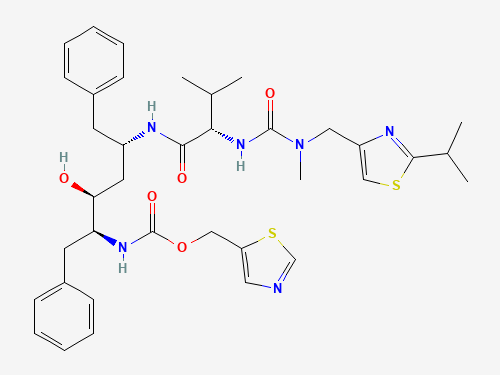
Lopinavir (C37H48N4O5) structure

Lopinavir (C37H48N4O5) structure

https://pubchem.ncbi.nlm.nih.gov/compound/Lopinavir

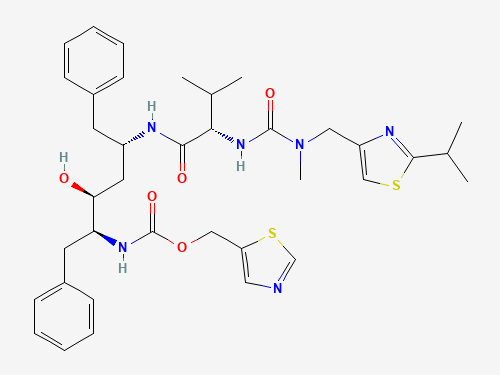
Ritonavir (C37H48N6O5S2) structure

Ritonavir (C37H48N6O5S2) structure

https://pubchem.ncbi.nlm.nih.gov/compound/Ritonavir

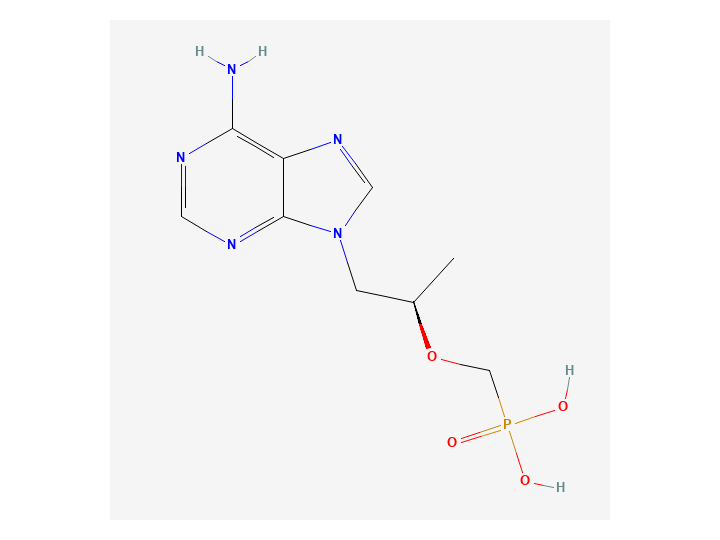
Tenofovir (C9H14N5O4P) structure

Tenofovir (C9H14N5O4P) structure

https://pubchem.ncbi.nlm.nih.gov/compound/Tenofovir


Drug information

Associated long-acting platforms

Based on other organic particles, Aqueous drug particle suspension

Administration route

Subcutaneous

Therapeutic area(s)

HIV

Use case(s)

Treatment

Use of drug

Ease of administration

Administered by a community health worker
Administered by a nurse
Administered by a specialty health worker

Frequency of administration

Monthly
Every 2 weeks

User acceptance

To be determined

Dosage

Available dose and strength

15.6 mg lopinavir; 4.1 mg ritonavir; 9.2 mg tenofovir

Maximum dose

Not provided

Recommended dosing regimen

Not provided

Additional comments

Not provided

Dosage link(s)

Not provided


Drug information

Drug's link(s)

https://go.drugbank.com/drugs/DB14126
https://go.drugbank.com/drugs/DB01601
https://go.drugbank.com/drugs/DB00503

Generic name

Lopinavir, Ritonavir, and Tenofovir

Brand name

TLC-ART 101

Compound type

Small molecule

Drug class/category

protease inhibitors (PI) + nucleotide analog reverse-transcriptase inhibitor (NRTI)

Summary

The combination of lopinavir, ritonavir, and tenofovir is formulated using drug combination nanoparticle (DcNP) technology, allowing a single subcutaneous dose to last up to five weeks. Terminal half-lives are lopinavir (219 h), tenofovir (63 h), and lamivudine (136 h). TLC-ART101 inhibits HIV via multiple mechanisms: lopinavir and ritonavir as protease inhibitors, and tenofovir and lamivudine as reverse transcriptase inhibitors. DcNP loading is high for lopinavir and ritonavir (>90%) and moderate for tenofovir and lamivudine (~12–17%). Preclinical and clinical studies show substantial intracellular retention, i.e., lymph node mononuclear cells (LNMCs)-to-plasma ratios at 192 h: LPV: 102.8; RTV: 572.0; TFV: 2.9; and 3TC: 352.1

Approval status

Not provided

Regulatory authorities

Not provided

Delivery device(s)

No delivery device


Scale-up and manufacturing prospects

Scale-up prospects

Not provided

Tentative equipment list for manufacturing

1. Spray dryer 2. High-shear mixers or homogenizers (for mixing and size reduction) 3. High-pressure homogenizer or microfluidizer 4. Sterile filtration units 5. Aseptic filling systems

Manufacturing

1. Dissolve all drugs and lipids in ethanol (with minimal aqueous buffer) at 65–75 °C 2. Spray-dry the solution under controlled conditions (ProCepT or Buchi spray dryer) 3. Collect powder and convert to nanosuspension via homogenization 4. Add Excipients: DSPC and DSPE-PEG2000 5. Final product: Nanoparticles (~50–200 nm) with a multi-drug motif (MDM) structure

Specific analytical instrument required for characterization of formulation

Not provided


Clinical trials

STUDY00007490

Identifier

NCT05850728

Link

https://clinicaltrials.gov/study/NCT05850728

Phase

Phase I

Status

Completed

Sponsor

University of Washington

More details

This study is a prospective, open-label, single-site, first-in-human study of a long-acting, injectable combination antiretroviral therapy platform, with a pharmacologically-guided adaptive design for dose escalation, de-escalation, and study duration. The study is designed to learn whether the formulation can be used as a platform for other drugs for treatment of HIV. The formulation is a drug combination nanoparticle (DCNP). The study will be conducted by UW Positive Research. The sample size for this study is 12-16. The study population consists of healthy adults without HIV. The study duration is 57 days per participant at the start of the study.

Purpose

First in Human Study of TLC-ART 101 (ACTU 2001)

Interventions

Intervention 1

TLC-ART

Countries

United States of America

Sites / Institutions

Not provided

Trials dates

Anticipated Start Date
Not provided

Actual Start Date
2023-04-01

Anticipated Date of Last Follow-up
2024-12-05

Estimated Primary Completion Date
Not provided

Estimated Completion Date
Not provided

Actual Primary Completion Date
2024-06-28

Actual Completion Date
2024-06-28

Studied populations

Age Cohort

Genders

Accepts pregnant individuals
Unspecified

Accepts lactating individuals
Unspecified

Accepts healthy individuals
Yes

Comments about the studied populations

Inclusion Criteria: * Healthy with a BMI between 18.5 to 29.9 kg/m2 * Non-smoker or former smoker (defined as no smoking or no vaping or no use of tobacco cessation products for greater than 1 year) * Persons of any gender are eligible if they otherwise meet all other entry criteria. * Assessed by the study staff as being at low risk for HIV infection and committed to maintaining behavior consistent with low risk of HIV exposure until after completing the study. * Willing and able to give informed consent. * If participating in sexual activity that could lead to pregnancy, individuals of reproductive potential must agree to use specific forms of contraception throughout the study. At least two of the following must be used throughout the study: * Condom (male or female) * Diaphragm or cer

Health status

Not provided

Study type

Interventional (clinical trial)

Enrollment

12

Allocation

Not provided

Intervention model

Sequential assignment

Intervention model description

Not provided

Masking

Open label

Masking description

Not provided

Frequency of administration

Other/Variable/Unknown : "Every 2-4 weeks "
Monthly

Studied LA-formulation(s)

Injectable

Studied route(s) of administration

Subcutaneous

Use case

Treatment

Key resources

Not provided

Excipients

Proprietary excipients used

No proprietary excipient used

Novel excipients or existing excipients at a concentration above Inactive Ingredients Database (IID) for the specified route of administration

1. 1,2-Distearoyl-sn-glycero-3-phosphocholine (DSPC) 2. 1,2-Distearoyl-sn-glycero-3-phosphoethanolamine-N-[methoxy(polyethylene glycol)-2000] (DSPE-PEG2000)

Residual solvents used

No residual solvent used


Patent info

Description

Lopinavir, Ritonavir, and Tenofovir (LRT) combination, formulation, and method of administration

Brief description

combination pharmaceutical compositions and methods thereof. The present invention relates to combination pharmaceutical compositions, which include a combination of hydrophilic and hydrophobic therapeutic agents (i.e., drugs) that are assembled together with excipients under specific conditions, forming a homogeneous pharmaceutical powder with multiple motif structure. unified repetitive drugs (mdm). Unlike currently available drug combination powders, which are amorphous, the combination pharmaceutical compositions (e.g., combination therapeutic agent powders) of the present invention have long-range order, in the form of unified, repetitive multidrug motifs. .

Representative patent

WO2020146788

Category

Combination, Formulation

Patent holder

University Of Washington

Exclusivity

Not provided

Expiration date

January 10, 2040

Status

Pending: BR, CN, US


Supporting material

Publications

Perazzolo S, Flexner CW, Stephen ZR, Acosta EP, Bender Ignacio RA, Ho RJY. Long-acting Injectable Containing Lopinavir Eliminates Reliance on Ritonavir Pharmacokinetic Enhancement. J Infect Dis. Published online June 24, 2025. doi:10.1093/infdis/jiaf319

High-extraction protease inhibitors (e.g., for HIV and COVID-19) typically require ritonavir to enhance bioavailability by overcoming first-pass metabolism. However, in the long-acting subcutaneous injectable dosage form TLC-ART 101, lopinavir persisted in plasma for 57 days, while ritonavir was detectable for only 3-7 days. The remarkable duration of lopinavir suggests that ritonavir may be unnecessary in long-acting injectable products, potentially reducing side effects and drug-drug interactions.

Kraft JC, McConnachie LA, Koehn J, et al. Long-acting combination anti-HIV drug suspension enhances and sustains higher drug levels in lymph node cells than in blood cells and plasma. AIDS. 2017;31(6):765-770. doi:10.1097/QAD.0000000000001405

Objective: The aim of the present study was to determine whether a combination of anti-HIV drugs - tenofovir (TFV), lopinavir (LPV) and ritonavir (RTV) - in a lipid-stabilized nanosuspension (called TLC-ART101) could enhance and sustain intracellular drug levels and exposures in lymph node and blood cells above those in plasma.

Design: Four macaques were given a single dose of TLC-ART101 subcutaneously. Drug concentrations in plasma and mononuclear cells of the blood (PBMCs) and lymph nodes (LNMCs) were analysed using a validated combination LC-MS/MS assay.

Results: For the two active drugs (TFV, LPV), plasma and PBMC intracellular drug levels persisted for over 2 weeks; PBMC drug exposures were three- to four-fold higher than those in plasma. Apparent terminal half-lives (t1/2) of TFV and LPV were 65.3 and 476.9 h in plasma, and 169.1 and 151.2 h in PBMCs. At 24 and 192 h, TFV and LPV drug levels in LNMCs were up to 79-fold higher than those in PBMCs. Analysis of PBMC intracellular TFV and its active metabolite TFV-diphosphate (TFV-DP) indicated that intracellular exposures of total TFV and TFV-DP were markedly higher and persisted longer than in humans and macaques dosed with oral TFV prodrugs, tenofovir disoproxil fumarate (TDF) or tenofovir alafenamide (TAF).

Conclusions: A simple, scalable three-drug combination, lipid-stabilized nanosuspension exhibited persistent drug levels in cells of lymph nodes and the blood (HIV host cells) and in plasma. With appropriate dose adjustment, TLC-ART101 may be a useful HIV treatment with a potential to impact residual virus in lymph nodes.

Freeling JP, Koehn J, Shu C, Sun J, Ho RJ. Anti-HIV drug-combination nanoparticles enhance plasma drug exposure duration as well as triple-drug combination levels in cells within lymph nodes and blood in primates. AIDS Res Hum Retroviruses. 2015;31(1):107-114. doi:10.1089/aid.2014.0210

HIV patients on combination oral drug therapy experience insufficient drug levels in lymph nodes, which is linked to viral persistence. Following success in enhancing lymph node drug levels and extending plasma residence time of indinavir formulated in lipid nanoparticles, we developed multidrug anti-HIV lipid nanoparticles (anti-HIV LNPs) containing lopinavir (LPV), ritonavir (RTV), and tenofovir (PMPA). These anti-HIV LNPs were prepared, characterized, scaled up, and evaluated in primates with a focus on plasma time course and intracellular drug exposure in blood and lymph nodes. Four macaques were subcutaneously administered anti-HIV LNPs and free drug suspension in a crossover study. The time course of the plasma drug concentration as well as intracellular drug concentrations in blood and inguinal lymph nodes were analyzed to compare the effects of LNP formulation. Anti-HIV LNPs incorporated LPV and RTV with high efficiency and entrapped a reproducible fraction of hydrophilic PMPA. In primates, anti-HIV LNPs produced over 50-fold higher intracellular concentrations of LPV and RTV in lymph nodes compared to free drug. Plasma and intracellular drug levels in blood were enhanced and sustained up to 7 days, beyond that achievable by their free drug counterpart. Thus, multiple antiretroviral agents can be simultaneously incorporated into anti-HIV lipid nanoparticles to enhance intracellular drug concentrations in blood and lymph nodes, where viral replication persists. As these anti-HIV lipid nanoparticles also prolonged plasma drug exposure, they hold promise as a long-acting dosage form for HIV patients in addressing residual virus in cells and tissue.

Additional documents

No documents were uploaded

Useful links


Access principles

Collaborate for development

Consider on a case by case basis, collaborating on developing long acting products with potential significant public health impact, especially for low- and middle-income countries (LMICs), utilising the referred to long-acting technology

Not provided

Share technical information for match-making assessment

Provide necessary technical information to a potential partner, under confidentiality agreement, to enable preliminary assessment of whether specific medicines of public health importance in LMICs might be compatible with the referred to long-acting technology to achieve a public health benefit

Not provided

Work with MPP to expand access in LMICs

In the event that a product using the referred to long-acting technology is successfully developed, the technology IP holder(s) will work with the Medicines Patent Pool towards putting in place the most appropriate strategy for timely and affordable access in low and middle-income countries, including through licensing

Not provided


Comment & Information

Not provided