Publications
Lenacapavir: A Review in HIV Pre-Exposure Prophylaxis.
Blair HA — Drugs — 2026-10-01
Link:
https://pubmed.ncbi.nlm.nih.gov/42593588/
Summary: This review covers lenacapavir (sold as Yeztugo and Yeytuo), the first HIV prevention injection given only twice a year. Two large trials showed it prevented HIV far better than daily pills, in women, men and gender-diverse people. People kept up with their injections well, and injection-site reactions were mostly mild and became less frequent over time.
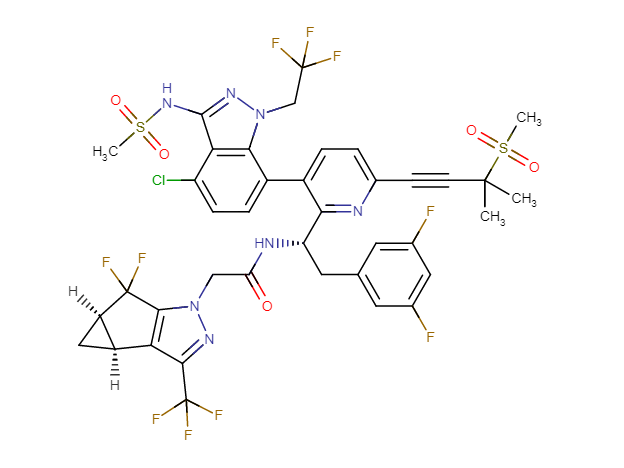
Lenacapavir [YEZTUGO® (USA); YEYTUO® (EU)] is the first twice‑yearly long‑acting injectable option to be approved for HIV pre‑exposure prophylaxis (PrEP). As a potent HIV capsid inhibitor, lenacapavir disrupts multiple stages of the viral replication cycle. Its slow absorption and long half‑life permit administration as a subcutaneous (SC) injection once every 6 months. Lenacapavir is indicated for PrEP to reduce the risk of sexually acquired HIV-1 infection in adults and adolescents weighing ≥ 35 kg who are at risk for HIV-1 acquisition. In two large phase III clinical trials, lenacapavir demonstrated efficacy in preventing HIV acquisition across diverse populations, including cisgender women, cisgender gay, bisexual, and other men, transgender women, transgender men, and gender-nonbinary persons who have sex with partners assigned male at birth. HIV incidence with lenacapavir was significantly lower than the background HIV incidence and the HIV incidence with daily oral PrEP (emtricitabine/tenofovir disoproxil fumarate). Adherence to lenacapavir was consistently high across both trials. Lenacapavir was generally well tolerated, with mostly mild or moderate injection‑site reactions (ISRs) that declined in frequency over time. With its convenient twice‑yearly dosing schedule and SC route of administration, lenacapavir represents a valuable addition to the current portfolio of HIV PrEP options.
Structural basis of lenacapavir-induced HIV-1 capsid defects during virion maturation
Tanaka H, — Nat Commun. — 2026-09-22
Link:
https://pubmed.ncbi.nlm.nih.gov/42773142/
Summary: This laboratory study shows another way lenacapavir blocks HIV, at the stage when new virus particles are being made. The drug distorts the virus's protective shell so that it cannot form its normal cone shape. Virus made in the presence of lenacapavir was much less able to infect cells.
Long-acting lenacapavir (LEN) has emerged as a highly effective, potentially game-changing therapy for HIV treatment and prevention. Its mechanism of action in the early phase of HIV-1 replication, when the capsid directs key post-entry steps such as reverse transcription, nuclear import, and integration, has been well characterized. In contrast, its effects during the late phase of replication, when the capsid assembles and matures within budding virions, remain poorly understood. Here, we determine the cryo-electron microscopy structure of the mature HIV-1 capsid lattice assembled within virus-like particles in the presence of LEN. Our structural analyses reveal that LEN alters interhexamer interactions, perturbs the capsid lattice curvature, and thereby prevents the formation of a functional cone-shaped capsid. Biochemical analyses further demonstrate that LEN-containing cores lose reverse transcriptase because of compromised capsid integrity, whereas integrase and viral RNA remain associated. Functionally, viruses produced in the presence of LEN exhibit markedly reduced infectivity, low reverse transcription activity, and poor integration. Taken together, these findings provide mechanistic insights into the late-phase action of LEN and provide key directions for the design of future inhibitors.
Lenacapavir
National Institute of Child Health and Human Development — Drugs and Lactation Database (LactMed®) — 2026-09-15
Link:
https://pubmed.ncbi.nlm.nih.gov/36701515/
Summary: This is a reference entry on the use of lenacapavir while breastfeeding. Very little lenacapavir reaches a breastfed baby, so needing lenacapavir is not a reason to stop breastfeeding. Mothers with HIV who keep the virus undetectable on treatment and choose to breastfeed should be supported in that decision.
Infant exposure to lenacapavir during breastfeeding is minimal. If a mother requires lenacapavir, it is not a reason to discontinue breastfeeding. Achieving and maintaining viral suppression with antiretroviral therapy decreases breastfeeding transmission risk to less than 1%, but not zero. Individuals with HIV who are on antiretroviral therapy with a sustained undetectable viral load and who choose to breastfeed should be supported in this decision. If a viral load is not suppressed, banked pasteurized donor milk or formula is recommended. Extended postnatal prophylaxis of breastfed infants with lenacapavir should continue until breastfeeding is stopped.
Safeguarding the efficacy of lenacapavir PrEP through pharmacokinetic tail monitoring
Omali D — Lancet Reg Health Afr — 2026-09-10
Link:
https://www.thelancet.com/journals/lanafr/article/PIIS3050-5011(26)00134-3/fulltext
Summary: This commentary argues that lenacapavir's six-month gap between injections makes it vulnerable to late or missed doses. After an injection, drug levels fall slowly, and if they become too low to protect but still high enough to influence the virus, resistant HIV could emerge. This period is known as the pharmacokinetic tail. The authors recommend close follow-up between doses, monitoring for resistant virus, and better study of the drug levels involved, to protect lenacapavir's usefulness in high-burden settings such as Africa.
Lenacapavir is a long-acting, twice-yearly injectable that presents a landmark achievement in HIV prevention by reducing the burden of daily adherence, while maintaining the desired level of efficacy. However, the six-month interval between doses would be susceptible to delayed or missed doses, which could potentially increase the risk of "resistance/pharmacokinetic tail". This refers to a period characterised by detectable, yet declining drug concentrations which are very low to offer desired efficacy, but high enough to exert selection pressure and facilitate the emergence or establishment of resistant virus. Therefore, strict follow-up between doses, active surveillance of viral resistance, and epidemiological characterisation of the pharmacokinetic tail thresholds could extend the longevity of lenacapavir use in HIV high burden settings such as Africa.
Lenacapavir binding to immature Gag induces giant virions and causes protease-dependent inhibition of viral release.
Amesimeku WAO — Proc Natl Acad Sci U S A — 2026-09-03
Link:
https://pubmed.ncbi.nlm.nih.gov/42691084/
Summary: This laboratory study looks at how lenacapavir affects HIV while new virus particles are being put together and released. The drug caused the virus to form abnormally large particles that could not go on to infect cells. The authors also found that some common laboratory tests can overestimate how well lenacapavir blocks virus release. The findings could guide the design of next-generation drugs.
Lenacapavir (LEN), a potent capsid inhibitor, suppresses reverse transcription and nuclear import by disrupting capsid core formation in HIV type 1 (HIV-1). However, its effects on late-stage viral assembly remain unclear. Although p24 ELISA suggested that LEN substantially inhibited HIV-1, both RT-dPCR and Vpr-HiBiT assays indicated that suppression of viral release required relatively high LEN concentrations. This discrepancy was attributed to LEN-induced reduction in p24 solubility, leading to an overestimation of its inhibitory effect on viral release. In addition, excessive intracellular Gag processing by the viral protease was observed in the presence of LEN, which contributed to impaired viral release. Furthermore, LEN induced numerous abnormal, discrete clusters of Gag at the plasma membrane. Using mass photometry, which was applied to analyze HIV-1 particle sizes, and transmission electron microscopy, we identified heterogeneous LEN-induced viral-like particles (LENiVLPs; diameter >200 nm) containing both Gag and Env proteins. Although LENiVLPs retained membrane fusion capability, they were noninfectious owing to postentry defects that prevented viral replication. Thus, LEN binds to the precursor Gag and promotes aberrant particle formation, offering insights that could guide the development of next-generation LEN-based therapeutics targeting the late stages of the viral life cycle.
Lenacapavir allosterically remodels the HIV-1 capsid.
Dos Santos NFB — Sci Adv — 2026-09-02
Link:
https://pubmed.ncbi.nlm.nih.gov/42685215/
Summary: This laboratory study explains how lenacapavir breaks apart the HIV capsid, the virus's protective shell. The drug changes how the building blocks of the shell fit together, so the shell cracks in two steps. This damage stops the virus from multiplying.
Lenacapavir (LEN) is a highly potent, long-acting capsid inhibitor that holds exceptional promise for treatment and prevention of HIV-1 infection. LEN causes the mature viral capsid to rupture and lose integrity, but the underlying mechanism has been unclear. Here, we show that LEN is an allosteric modulator of HIV-1 capsid structure that fractures the capsid's fullerene cone architecture in two steps: initially by rupturing at high-curvature declinations, followed by fissuring of the capsid body. At the molecular level, LEN alters the noncovalent bonding interactions between capsid subunits and reduces local lattice curvature. We propose a stress-strain model to rationalize how LEN remodels HIV-1 capsid structure and thereby impairs the replication capacity of the virus.
A Scientometric Mapping of Global Lenacapavir and HIV Research: Dynamism, Visualization, and Emerging Patterns
Espinoza-Carhuancho F, — Int J Prev Med. — 2026-08-31
Link:
https://www.ovid.com/jnls/ijom/fulltext/10.4103/ijpvm.ijpvm_223_25~a-scientometric-mapping-of-global-lenacapavir-and-hiv
Summary: This study analysed 156 scientific publications on lenacapavir and HIV published between 2019 and early 2025. Research output grew very quickly, by almost 90% a year. Gilead Sciences and the University of Washington were the leading contributors, and the USA led international collaboration.
Background: Lenacapavir, an HIV capsid inhibitor, has shown powerful promise for HIV treatment and prevention purposes. Its new mechanism of action, and other abilities to inhibit viral replication have shown a significant advance, especially in treatment-resistant cases. This bibliometric analysis aimed to assess the scientific literature that relates to lenacapavir particularly around HIV treatment and prevention efforts.
Methods: Following the RAMIBS guidelines, a comprehensive literature search was conducted on January 8, 2025, using Scopus. The search included documents mentioning "lenacapavir" or its synonyms combined with HIV-related terms published between 2019 and 2025. Documents not meeting these criteria or unavailable in full text were excluded. Data were analyzed using VOSviewer for keyword co-occurrence, Bibliometrix for descriptive and network analysis, and SciVal for advanced impact metrics.
Results: A total of 156 documents from 101 sources were analyzed, showing an annual growth rate of 89.86%. The average document age was 2.03 years, with 12.29 citations per document. The study involved 990 authors, with an average of 8.36 co-authors per document and 24.36% international co-authorship. Gilead Sciences, Inc., and the University of Washington were the prominent contributors. Key journals included "Current Opinion in HIV and AIDS" and "Journal of Antimicrobial Chemotherapy." The USA led the international collaboration.
Conclusions: This study highlights the significant scientific output and collaboration in the field of lenacapavir and HIV research. The findings are useful for identifying key sources and authors, facilitating future research and collaboration. The findings highlight how crucial international collaboration is for driving progress in scientific research and tackling worldwide health issues.
Progress toward longer-acting antiretroviral regimens for adult HIV treatment.
Flaxman L — Expert Rev Clin Pharmacol — 2026-08-27
Link:
https://pubmed.ncbi.nlm.nih.gov/42645800/
Summary: This review looks at progress towards longer-acting HIV treatment. The cabotegravir and rilpivirine injection has been shown to work well and is now also being used in people with adherence problems. Lenacapavir and ibalizumab offer long-lasting options for people with multidrug-resistant HIV. The authors also discuss the limits of long-acting treatment, such as the risk of the virus becoming resistant, the long time the drug stays in the body, and little safety data in pregnancy.
Introduction: Long-acting injectable antiretroviral therapy may improve adherence, virologic outcomes, quality of life and treatment satisfaction for people with HIV. Cabotegravir plus rilpivirine (CAB/RPV), the first complete long-acting injectable regimen for HIV treatment, has demonstrated efficacy, safety, tolerability, and real-world feasibility. Recent studies also support its use in individuals with viremia and adherence challenges. Lenacapavir and ibalizumab provide durable efficacy for individuals with multidrug-resistant HIV.
Areas covered: This review summarizes clinical trials and observational studies evaluating long-acting HIV therapies including their benefits, limitations and future implications. Literature published between 2017 and 2026 was identified through PubMed, Clinicaltrials.gov and abstracts or conference proceedings from Conference on Retroviruses and Opportunistic Infections (CROI), International Antiviral Society (IAS), IDWeek, European AIDS Clinical Society (EACS) and HIV Glasgow conferences.
Expert opinion: Despite promising findings, limitations of long-acting ART include the risks of virologic failure, the prolonged pharmacologic tail, lack of hepatitis B treatment activity, limited pregnancy safety data, and implementation challenges. Ongoing research is evaluating novel combinations of long-acting agents, including emerging oral therapies, to expand treatment options. Long-acting antiretroviral treatments have the potential to address unmet needs and broaden individualized treatment options in HIV care.
Lenacapavir for HIV Prevention in Africa: Opportunities, Barriers, and Policy Priorities.
Eneh SC — J Int Assoc Provid AIDS Care — 2026-08-25
Link:
https://pubmed.ncbi.nlm.nih.gov/42642031/
Summary: This policy article looks at introducing twice-yearly lenacapavir for HIV prevention in Africa. It identifies barriers including cost, weak health systems, regulatory delays, supply problems, stigma and mistrust. The authors argue that fair access will need partnership between stakeholders, real involvement of communities and stronger health systems.
Despite global progress in HIV prevention, Africa continues to carry a disproportionate share of the epidemic and its related inequalities. Daily oral pre-exposure prophylaxis (PrEP) has been limited by adherence and accessibility challenges. Lenacapavir, a long-acting injectable PrEP administered every six months, has shown efficacy in clinical trials among high-risk populations in sub-Saharan Africa and offers new promise for prevention efforts. This Policy Perspective examines the opportunities and barriers to equitable access and rollout of lenacapavir in African settings. Key challenges include high implementation costs, limited health infrastructure, regulatory delays, supply chain constraints, and social barriers such as stigma, misinformation, and mistrust. We argue that the promise of lenacapavir will only be realized if its introduction is accompanied by policies and programs that address these systemic obstacles. Ensuring equitable access will require robust stakeholder collaboration, meaningful community engagement, and deliberate efforts to strengthen health systems.
Lenacapavir Use in France: A National, Observational Study (LENAddOn).
Ghosn J — Open Forum Infect Dis — 2026-08-19
Link:
https://pubmed.ncbi.nlm.nih.gov/42639442/
Summary: This study followed 77 people with HIV in France who started lenacapavir injections after the early access programme ended. Many had been on HIV treatment for decades and had a history of missing doses. Most stayed on lenacapavir: 95% at six months and 82% at one year. By the end of the study, the virus was undetectable or very low in the large majority. Lenacapavir allowed many people to simplify their treatment.
Background: The LENAddOn study aimed to characterize people with HIV (PWH) initiating injectable lenacapavir (LEN) post-early access program in France, assess LEN continuation rates at W26 and W52, and describe reasons for LEN discontinuation.
Methods: Observational, retrospective study across 19 centers, including people with HIV-1 who initiated LEN between 20 June 2023 and 30 June 2024. Sociodemographic, clinical, and laboratory data were extracted from medical records. The primary outcome was the proportion of PWH receiving a second and third set of LEN injections at W26 and W52.
Results: Seventy-seven PWH were included (median age, 57 years [IQR, 44-63]; duration of antiretroviral therapy (ART), 25 years [17-29]), with a history of frequent adherence issues and vulnerability factors. At LEN initiation, 22 (28.6%) had a plasma HIV-1 viral load (pVL) ≥200 copies/mL, and 43 (55.8%) had a pVL <50 copies/mL; 42 (54.6%) had viral resistance to ≥2 drugs in ≥3 classes. Twenty-one participants (27.3%) received injectable ART associating LEN plus cabotegravir ± rilpivirine. Lenacapavir continuation rate was 94.8% (95% CI, 87.2-98.6) at W26 and 81.8% (71.4-89.7) at W52, with 4 LEN discontinuations between D0 and W26 and 10 between W26 and W52. Main reasons for LEN discontinuation were death unrelated to LEN/lost-to-follow-up (n = 5), persistence of viral replication (n = 3), and injection site reactions (n = 2). Last measured pVL during the study period was <200 cp/mL in 72/77 participants (93.5%) and <50 cp/mL in 61/77 (79.2%).
Conclusions: Lenacapavir use allowed simplification of antiretroviral regimens, with the maintenance or achievement of virological suppression. Continuation of LEN at W26 and W52 remained high among a population with extensive treatment history.
Cost-effectiveness of lenacapavir versus tenofovir disoproxil fumarate plus emtricitabine for pre-exposure prophylaxis to prevent HIV-1 transmission in gay, bisexual, and other men who have sex with men in Spain.
Wikman-Jorgensen PE — Lancet Reg Health Eur — 2026-08-11
Link:
https://pubmed.ncbi.nlm.nih.gov/42621308/
Summary: This study looked at whether lenacapavir for HIV prevention is good value compared with daily pills for gay, bisexual and other men who have sex with men in Spain. Lenacapavir improves health, but at its current price it is far from cost-effective. The price would need to fall by about 96% to be cost-effective in Spain.
Background: Lenacapavir (LEN), a twice-yearly subcutaneous capsid inhibitor, has demonstrated superior efficacy over daily oral tenofovir disoproxil fumarate/emtricitabine (TDF/FTC) as HIV pre-exposure prophylaxis (PrEP) in clinical trials. No European cost-effectiveness analyses have been published to date. We aimed to assess the cost-effectiveness of LEN versus TDF/FTC as PrEP for gay, bisexual, and other men who have sex with men (GBMSM) in Spain.
Methods: We developed a deterministic, compartmental HIV dynamic transmission model stratified by age (from 16 up to 100 years) and four sexual-activity risk strata, calibrated to Spanish epidemiological data (2019-2023) using Latin Hypercube Sampling (100,000 runs) with local optimisation. Outcomes included quality-adjusted life-years (QALYs) and direct costs (2023€), both discounted at 3% annually over a 20-year horizon, from the Spanish National Health System perspective. Deterministic one-way sensitivity analysis (OWSA) and probabilistic sensitivity analysis (PSA; 1000 iterations) were conducted, alongside a price-threshold analysis.
Findings: In the base case, LEN PrEP generated 2983 incremental QALYs at an incremental cost of €60.68 billion compared with TDF/FTC, yielding an incremental cost-effectiveness ratio (ICER) of €20,342,776 per QALY gained. At Spain's gross domestic product per capita willingness-to-pay threshold (€33,395/QALY), the vial price would need to fall from €21,088.55 to €769.36 per semi-annual injection to be cost-effective-a 96.4% reduction. In the PSA, the ICER of the means was €11,052,594/QALY and the probability of LEN PrEP being cost-effective was 0.001.
Interpretation: LEN PrEP provides meaningful health benefits compared with TDF/FTC but at a cost far exceeding the accepted Spanish willingness-to-pay threshold. At current pricing, it is not cost-effective under any scenario examined and would require an approximate 96% price reduction to become cost-effective. While LEN represents a promising long-acting HIV prevention strategy, its population-level value is currently constrained by affordability. Substantial price reductions will likely be required to enable equitable access and realise its full public health potential.
Funding: None.
Clinical Resistance to Lenacapavir During Treatment of HIV Infection: A Review.
Margot NA — Viruses — 2026-08-08
Link:
https://pubmed.ncbi.nlm.nih.gov/42655685/
Summary: This review looks at HIV becoming resistant to lenacapavir in clinical studies. Resistance appeared in some heavily treated people who had few other working medicines, although most still got their virus under control. When lenacapavir has been combined with other effective HIV medicines, resistance has been rare. Tests to detect capsid resistance are being developed as use of the drug grows.
Lenacapavir (LEN) is the first-in-class capsid inhibitor that inhibits HIV capsid function in vitro with picomolar activity. LEN has been approved for the treatment of HIV in combination with other antiretroviral agents (ARVs), as well as for the prevention of acquisition of HIV-1 in people who may benefit from pre-exposure prophylaxis (PrEP). In vitro investigations of the resistance profile of LEN have identified resistance-associated mutations (RAMs) at six residues in the HIV-1 capsid protein (CA), all found in the CA structural pocket where LEN binds and conferring LEN-resistance with various degrees of loss of susceptibility. LEN was initially evaluated in a clinical study (CAPELLA) of heavily treatment-experienced (HTE) people with HIV (PWH), in which 14 of 72 participants had emergence of in vitro-predicted LEN RAMs. Despite the presence of LEN RAMs in these participants with viral rebound, treatment with LEN led to viral suppression in a large majority of HTE PWH in CAPELLA. In treatment-naïve participants receiving subcutaneous LEN + asynchronous oral ARVs (CALIBRATE) 4 of 157 participants had emergence of LEN RAM after >2 years of study. In contrast, no cases of viral rebound with resistance to LEN have been observed in virologically suppressed PWH switching to the once-daily single-tablet regimen (STR) combining LEN with the integrase strand-transfer inhibitor (INSTI) bictegravir after up to 48 weeks in two Phase 3 studies, and for >3 years in Phase 2. Similarly, no resistance to LEN has been observed after up to 96 weeks in the Phase 2 study of once-weekly regimen of the deoxyadenosine analog RT inhibitor islatravir + LEN. Finally, in the Phase 2 study of the 6-monthly injectable LEN + 2 broadly neutralizing antibodies (bNAbs) combination, only one instance of resistance to LEN was observed in conjunction with loss of susceptibility to one of the bNAbs through 1 year of treatment. Overall, resistance to LEN in regimens using synchronous dosing (daily or weekly oral, or 6-monthly injectable) has been rare in clinical studies. As the use of LEN is predicted to increase in the near future with these potential new combinations, capabilities to test for capsid resistance are being developed through global commercial options as well as through regional health institutions.
Capsid stabilization reprograms the nuclear fate of the HIV genome.
Mourer T — Sci Adv — 2026-08-07
Link:
https://pubmed.ncbi.nlm.nih.gov/42566516/
Summary: This laboratory study in macrophages, a type of immune cell, shows another way lenacapavir blocks HIV. At low doses the drug keeps the virus's shell intact, which traps the virus's genetic material inside. This sends the viral DNA to parts of the nucleus where it is less likely to become active.
Capsid stabilization, induced by low-nanomolar concentrations of Lenacapavir (LEN)-a first-in-class capsid inhibitor-impedes HIV-1 replication in macrophages without disrupting reverse transcription or nuclear import. In LEN-treated cells, ultrastructural analyses reveal preserved conical capsids persisting within nuclear CPSF6-enriched puncta-HIV-1-induced membraneless organelles (HIV-1-MLOs)-which remain spatially segregated from canonical integration hubs near nuclear speckles (NSs). Rather than fusing with NSs, HIV-1-MLOs are rerouted to chromatin-associated promyelocytic leukemia nuclear bodies (PML-NBs), where molecular exchange occurs without condensate fusion. This nuclear redirection correlates with the sequestration of the viral genome within stabilized capsids, reducing the pool of viral DNA available for integration and redirecting the few accessible genomes to atypical integration sites near PML-NBs. These findings uncover a previously unrecognized mechanism of LEN action, whereby capsid stabilization reprograms the nuclear fate of the HIV-1 genome in macrophages, limiting integration and redirecting viral DNA toward more repressive nuclear environments, likely shaping the transcriptional potential of newly integrated viral DNA.
Weekly HIV pill moves closer but vaccine studies face new questions.
Cohen J — Science — 2026-08-06
Link:
https://pubmed.ncbi.nlm.nih.gov/42561052/
Summary: This news feature covers developments in HIV prevention research. A weekly HIV prevention pill is moving forward, but a major antibody trial did not prevent HIV, raising questions for vaccine research.
Potent antibodies that researchers hope vaccines can elicit didn't prevent HIV in a major trial.
Provider Perspectives on the Delivery of Long-Acting PrEP for HIV Prevention to Men Who Have Sex with Men and Who Use Methamphetamine.
McMahan VM — AIDS Patient Care STDS — 2026-08-05
Link:
https://pubmed.ncbi.nlm.nih.gov/42552859/
Summary: This study interviewed 17 service providers in the western USA about long-acting PrEP for men who have sex with men and use methamphetamine. Homelessness, lack of phone access and stigma were the main barriers, although infrequent injections could be especially useful for this group. Suggested solutions include mobile services, longer opening hours and offering PrEP alongside services people already use.
Methamphetamine use is associated with HIV risk behaviors, seroconversion, and suboptimal daily, oral PrEP adherence among men who have sex with men (MSM). Long-acting pre-exposure prophylaxis (PrEP) formulations, such as bimonthly cabotegravir (CAB) and biannual lenacapavir (LEN) injections, may be particularly effective for HIV prevention in this population. We conducted interviews with 17 individuals in the western US who provided a service in the past month to an HIV-negative man who has sex with men and uses methamphetamine. Interviews were audio recorded and transcribed. Interviews inquired about barriers to each step of the PrEP cascade and strategies to overcome them. Transcriptions were coded by at least two analysts and reconciled. Interviews revealed several barriers to long-acting PrEP engagement among MSM who use methamphetamine across the cascade, most notably homelessness, which included competing priorities and inconsistent phone access. Despite the identification of housing instability as a barrier to long-acting PrEP engagement, it was also cited as a reason why long-acting PrEP may be particularly promising for MSM who use methamphetamine. Anticipated stigma was also identified as a primary barrier to long-acting PrEP engagement. Provider-level barriers were described, including overburdened clinics, limited hours, requisite staffing expertise, and billing restrictions. Strategies to increase long-acting PrEP provision among this population who could benefit from PrEP included reducing provider-side barriers and integrating long-acting PrEP with other appealing services (e.g., syringe services programs), extended hours, mobile delivery, and contingency management.
Public response following the introduction of a new HIV prevention shot: a sentiment and topic modeling study.
Lamptey E — AIDS Care — 2026-08-05
Link:
https://pubmed.ncbi.nlm.nih.gov/42557852/
Summary: This study analysed about 1,600 social media comments made after the first HIV prevention injection, lenacapavir, was approved in June 2025. Overall reaction was positive, although some scepticism remained. The study identified ten main public concerns and suggested ways to address them.
Online platforms or social media connect billions of people globally, allowing interaction and sharing of information. The result of these connections yields a massive amount of data that can be explored by methods such as sentiment analysis to provide insight into public attitudes. This study explored the sentiment surrounding the HIV injection lenacapavir by analyzing comments from some of the largest social media platforms (Facebook, YouTube, Reddit and news channels). These reviews were extracted two days after the world's first FDA-approved HIV prevention shot was announced on 18 June 2025. The examination employed a three-pronged sentiment analysis and topic modeling. The study found an overall positive polarity in public sentiment with lingering skepticism among 1601 comments. The sentiment analysis also revealed ten themes that are of keen concern to the public and strategies for addressing them.
Long-Acting Injectable Antiretroviral Therapies for HIV Treatment and Prevention: Clinical Pharmacology, Recent Advances and Future Opportunities.
Dunbar A — J Clin Pharmacol — 2026-08-01
Link:
https://pubmed.ncbi.nlm.nih.gov/42640012/
Summary: This review looks at long-acting HIV injections (cabotegravir, rilpivirine and lenacapavir) used for treatment and prevention. These injections reduce the need for daily pills, which helps people keep the virus suppressed or stay protected. The article explains how drug levels behave in the body, including in children and in pregnant or breastfeeding women. It also covers the risk of resistance when drug levels fall after injections are stopped.
Long-acting (LA) antiretroviral (ARV) medications represent a significant advancement in the HIV treatment and prevention field. LA ARVs help reduce daily pill burden and thus optimize adherence, which has translated into sustained virologic suppression in persons with HIV, prevention of HIV transmission among those at risk, and improved patient satisfaction. This review examines the clinical pharmacology considerations, clinical trials, and real-world use of small molecule LA injectable ARVs, specifically cabotegravir, rilpivirine, and lenacapavir, in adults with or at risk of acquiring HIV, with a particular focus on the pharmacokinetic data and considerations with these agents as implementation expands. Special attention is also paid to understudied populations such as pediatrics and pregnant and breastfeeding women. Discussion of the underlying pharmacokinetics is provided to highlight considerations regarding time to onset of protection, handling residual concentrations and the potential for the development of resistance with treatment discontinuation, factors contributing to variability in drug exposure and relationships between exposure and efficacy. Despite the promise that these LA injectable ARVs hold, there are still opportunities for further investigation to optimize patient care, and these considerations are also covered.
Modelling the 5-Year Impact of Twice-Yearly Injectable Lenacapavir for HIV Pre-Exposure Prophylaxis in the United States.
Moore M — J Int AIDS Soc — 2026-08-01
Link:
https://pubmed.ncbi.nlm.nih.gov/42573428/
Summary: This modelling study estimates the effect of twice-yearly lenacapavir for HIV prevention in the USA between 2026 and 2030. Depending on how many people use it, lenacapavir could prevent roughly 14,000 to 37,000 new HIV cases. The benefit comes from giving more consistent protection than daily pills.
Introduction: The impact of pre-exposure prophylaxis (PrEP) on the US HIV-1 epidemic has not been fully maximized, potentially due to challenges in uptake, coverage, adherence and consistent use. Following the FDA (Food and Drug Adminstration) approval of twice-yearly lenacapavir, epidemiological projections are needed to understand the potential role of lenacapavir in overcoming PrEP barriers. The objective of this analysis was to estimate the impact of lenacapavir on HIV-1 incidence in the United States.
Methods: We used a static cohort model representing the US population aged 15 or older to predict the number of HIV-1 cases averted between 2026 and 2030 under different lenacapavir uptake scenarios (S1-S5) versus projected status quo 2025 PrEP use with no lenacapavir (S0). In S0 and S3, we assumed 2025 levels of PrEP use (652K total PrEP users with no lenacapavir use) for 2026-2030. In all other scenarios, we assumed PrEP use increases to 1.1 million PrEP users with 0%-100% using lenacapavir. Oral and injectable PrEP effectiveness were based on clinical trials adjusted by percent days covered in real-world use. Oral PrEP use was assumed to be zero among people who inject drugs in all scenarios.
Results: In S1, moderate lenacapavir uptake (37% of PrEP users by 2030) averted 13,700 (95% credible interval: 10,800-18,300) new HIV-1 cases, an 8% (6%-10%) reduction in cumulative cases between 2026 and 2030 relative to S0. In S2, more rapid lenacapavir uptake (85% of PrEP users by 2030) averted 23,800 (19,100-33,700) cases. Switching all PrEP users to lenacapavir averted 22,400 (12,200-47,200) and 37,400 (26,800-61,200) cases without (S3) and with (S4) an increase in PrEP use, respectively. In S5, 9400 (4600-11,500) cases were averted if PrEP use increased but lenacapavir was not introduced. This analysis was limited as only reductions in primary acquisitions were considered in the static cohort model and the model did not account for potential future demographic or behavioural shifts.
Conclusions: Twice-yearly lenacapavir may impact the US HIV-1 epidemic by improving adherence and increasing the duration of protection relative to oral PrEP, leading to more consistent protection over time and reducing HIV-1 incidence.
A rocky rollout.
Cohen J — Science — 2026-07-30
Link:
https://pubmed.ncbi.nlm.nih.gov/42531386/
Summary: This news feature looks at the roll-out of lenacapavir. It reports that the drug could help end the HIV epidemic, but that the available supply is far short of what is needed.
A powerful new prevention drug could help end the HIV epidemic-but supply is falling far short.
EBM BLS: Twice-yearly Lenacapavir Reduces new HIV in Men and Gender-diverse Persons Engaging in Condomless Anal Sex.
Cheung PC — J Gen Intern Med — 2026-07-29
Link:
https://pubmed.ncbi.nlm.nih.gov/42527833/
Summary: This is a short evidence summary of the trial showing that twice-yearly lenacapavir reduced new HIV infections in men and gender-diverse people who have condomless anal sex.
Accelerating Low-Barrier Use of Long-Acting Antiretroviral Therapy to Maximize Impact in People with HIV and Viremia or Adherence Challenges.
Collins LF — Curr HIV/AIDS Rep — 2026-07-29
Link:
https://pubmed.ncbi.nlm.nih.gov/42525311/
Summary: This review looks at making long-acting HIV treatment more accessible for people whose virus is detectable or who find it hard to take daily pills. People who start long-acting injections with detectable virus reach and keep an undetectable virus at rates similar to those who start with it undetectable. The main hurdles are cost and staff time, and the authors call for more funding and research on effective delivery models.
Purpose of review: Long-acting (LA) antiretroviral therapy (ART) is rapidly revolutionizing the landscape of HIV treatment. Clinical trials for injectable cabotegravir/rilpivirine (CAB/RPV) only included certain populations, limiting FDA approval to a subset of people with HIV; frontline medical staff and community members (inclusive of PWH) employed resourcefulness, collaboration, and advocacy to maximize access. However, significant implementation hurdles have constrained uptake, and research about clinical outcomes in PWH who initiate LA-ART with viremia or adherence challenges is nascent.
Recent findings: PWH who initiate LAI-ART with viremia, including those with adherence challenges, achieve and maintain viral suppression (VS) at rates similar to PWH who initiate with VS. LAI-ART, in combination with appropriate support and programming, can increase access to ART in PWH with viremia and/or adherence challenges. The overall cost, in terms of dollars and person-time, makes implementation challenging. Additional funding mechanisms are needed, alongside innovative research regarding effective programs and care delivery models, to maximize implementation.
Global analysis of pre-exposure prophylaxis to need ratios in 2025.
O'Brien L — AIDS — 2026-07-28
Link:
https://pubmed.ncbi.nlm.nih.gov/42517214/
Summary: This global analysis compares how many people use HIV prevention medicines (PrEP) with the number of new HIV infections. In 2025 there were about 1.9 PrEP users for every new infection, far below the target of 40. Coverage was lowest in low- and middle-income countries and fell sharply where US PEPFAR funding was cut. Reaching the target would need about 51 million PrEP users worldwide.
Background: Despite substantial progress, global HIV incidence remains far above the UNAIDS 2030 target of 220 000 annual acquisitions. Pre-exposure prophylaxis (PrEP) is highly effective, including long-acting agents with 96-100% efficacy, but population-level impact depends on delivery at scale.
Objective: To assess global PrEP coverage relative to need and estimate the implications for HIV epidemic control.
Methods: We conducted a cross-sectional analysis of country-level HIV acquisitions and PrEP coverage across 184 countries using UNAIDS and supplementary data sources. For countries lacking 2025 data, the most recent estimates were used; PEPFAR-supported countries without current data were adjusted using a 34% reduction to reflect impact of funding cuts. We calculated the PrEP-to-need ratio (PrEP users per new HIV acquisition) and defined a target of 40 : 1, based on number-needed-to-treat estimates from recent trials.
Results: Globally, 1.28 million new HIV acquisitions and 2.39 million PrEP users were identified, yielding a PnR of 1.88. Sixty-eight percentage of countries had low coverage (<1 : 1), including 78% of LMICs, which accounted for 89% of new acquisitions. Only four countries (2%) achieved the target PnR. Estimated PrEP coverage declined by 34% in PEPFAR-supported settings, with reductions up to 81% in some countries. Achieving target PnR globally would require approximately 51 million PrEP users.
Conclusions: At present, PrEP is preventing only a fraction of the 1.3 million annual acquisitions, which are likely to rise over the coming years. Achieving global targets will require rapid expansion to tens of millions of users, alongside affordable pricing and renewed investment in prevention infrastructure.
Long-Acting Cabotegravir Injections Are More Acceptable Than Long-Acting Lenacapavir Injections After One Dose: Results From the CLARITY Randomized Crossover Study.
Elliot ER — Adv Ther — 2026-07-24
Link:
https://pubmed.ncbi.nlm.nih.gov/42496862/
Summary: This study gave 62 adults without HIV one cabotegravir injection and one lenacapavir injection, in random order. Cabotegravir injections were rated as more acceptable, with less pain and far fewer visible injection-site reactions. Nine in ten participants and most health workers preferred cabotegravir. The results can help people and clinicians talk through the choice of injection.
Introduction: Injection site reactions (ISRs) are a key consideration when selecting long-acting injectables (LAIs), and are central to healthcare provider (HCP) and patient shared decision-making. We evaluated the acceptability of ISR profiles alongside participant and HCP-reported preferences for long-acting cabotegravir (CAB LA) and lenacapavir (LEN LA).
Methods: CLARITY (NCT06970223) is an open-label, randomized, crossover study. Adults without HIV received single-dose CAB LA (intramuscular) and LEN LA (subcutaneous) on Days 1 and 15 (randomized so either CAB LA or LEN LA was the first injection). The primary endpoint was the proportion of participants reporting "very acceptable or totally acceptable" local reactions and pain 7 days post-injection using the Perception of Injection (PIN) questionnaire. Secondary endpoints included characterization of the ISR profile. Exploratory endpoints included participant and HCP preferences and participant perspectives using questionnaires and interviews.
Results: Overall, 61 participants received CAB LA and 62 received LEN LA. A higher proportion of participants reported local reactions and pain as "totally or very acceptable" with CAB LA injections versus LEN LA [69% (42/61) vs. 48% (29/60); odds ratio, 3.4 (95% CI, 1.25 to 9.22); P < 0.019 post hoc]. CAB LA consistently showed more favorable PIN domain and individual items of assessment scores versus LEN LA. CAB LA demonstrated a favorable ISR profile versus LEN LA, including fewer visible ISR events (36 vs. 221). Ninety percent (54/60) of participants preferred CAB LA, whereas 10% (6/60) preferred LEN LA; 86% (6/7) of HCPs preferred CAB LA and 14% (1/7) preferred LEN LA. Participants reported less pain during CAB LA versus LEN LA injections.
Conclusion: CAB LA was more acceptable than LEN LA, had a more favorable ISR profile, and was preferred by a majority of participants and HCPs. These findings highlight differences in the injection experience that can inform shared decision-making when choosing LAIs.
Optimising scale-up of injectable lenacapavir for HIV pre-exposure prophylaxis in South Africa: A modelling study and economic evaluation.
Jamieson L — PLoS Med — 2026-07-21
Link:
https://pubmed.ncbi.nlm.nih.gov/42479779/
Summary: This modelling study looks at rolling out lenacapavir for HIV prevention in South Africa over 20 years. Reaching 1.7 to 2.9 million people a year could prevent 19% to 31% of new infections and bring HIV under control 10 to 14 years sooner. Lenacapavir was better value than daily pills or cabotegravir, although HIV treatment and testing remain better value still. Giving priority to young women, sex workers and men who have sex with men would achieve the most.
Background: South Africa accounts for 20% of global HIV infections. Six-monthly injectable lenacapavir (LEN) for HIV pre-exposure prophylaxis (PrEP) has superior efficacy to oral tenofovir disoproxil fumarate/emtricitabine (TDF/FTC), and similar efficacy to 2-monthly injectable cabotegravir (CAB). With LEN's regulatory approval, South Africa faces critical implementation decisions amid constrained domestic resources and reduced international funding. We evaluated the epidemiological impact, cost-effectiveness, and optimal populations for LEN roll-out in South Africa.
Methods and findings: Using Thembisa v4.8, a deterministic compartmental HIV transmission model, we simulated the impact of LEN scale-up, expanded oral TDF/FTC, and CAB scale-up, compared to a baseline of current TDF/FTC provision over 20 years (2026-2045) in South Africa. We modelled PrEP among women, including adolescent girls and young women (AGYW), female sex workers (FSW), pregnant and breastfeeding women (PBFW), men who have sex with men (MSM), and heterosexual men. For TDF/FTC scale-up, we doubled baseline initiation rates. For LEN and CAB, conservative and optimistic scenarios assumed initiation rates similar to or double those under TDF/FTC scale-up, respectively. Duration of use varied by subpopulation under TDF/FTC (3-6 months), conservative (LEN: 6-12 months, CAB: 4-8 months), and optimistic (LEN: 12-24 months, CAB: 8-16 months) scenarios. We modelled strategies to maximise impact of ~500,000 LEN doses allocated for 2026-2027, and national roll-out by subpopulations. We compared LEN cost-effectiveness to other HIV interventions, including antiretroviral treatment (ART). Costs are presented from the South African government's perspective in undiscounted 2025 United States Dollars (USD). Providing LEN to 1.7-2.9 million South Africans annually averted 19%-31% of infections and saved 3%-5% of life years lost to HIV, reaching incidence <0.1% in 2039-2043, 10-14 years earlier than baseline. TDF/FTC and conservative LEN scale-up increased HIV programme costs by 3%; however, LEN was more cost-effective, costing $2,301-$3,567/life year saved (LYS) versus $8,143/LYS (TDF/FTC scale-up) and $11,114-$16,118/LYS (CAB). While promising for HIV prevention, scaling up condoms, ART, HIV testing, and medical male circumcision may be more cost-effective than LEN; notably ART at 95% coverage, saved 4.8-8-fold more life years compared to LEN, costing $577/LYS. Prioritising AGYW, MSM, and FSW for the initial allocation maximised infections averted, while national roll-out prioritising FSW and MSM were most cost-effective, and even cost-saving under scale-up to FSW. Study limitations include uncertainty in achieving modelled uptake, risk-differentiated uptake of long-acting products, and real-world implementation costs.
Conclusions: Delivering LEN to persons with elevated HIV risk in South Africa is more cost-effective than existing oral PrEP and can speed up HIV incidence reduction. Prioritising uptake among groups at highest risk is essential to maximise impact and cost-effectiveness.
Beyond Efficacy: The Access, Delivery Systems, Acceptability, Persistence, and Transition Management "ADAPT" Framework for Long-Acting Injectable PrEP in Sub-Saharan Africa.
Ikoona EN — HIV AIDS (Auckl) — 2026-07-15
Link:
https://pubmed.ncbi.nlm.nih.gov/42519389/
Summary: This article proposes a framework called ADAPT to help plan the roll-out of long-acting injectable PrEP in sub-Saharan Africa. It covers access, delivery systems, acceptability, keeping people on PrEP, and managing the switch or stop between products. The framework is based on published literature and programme experience and has not yet been tested.
Introduction: Long-acting injectable pre-exposure prophylaxis (LA-PrEP) is a major biomedical advance for HIV prevention, but efficacy alone does not deliver population-level impact. Oral PrEP performed well in trials yet persisted poorly in practice, including among young women in KwaZulu-Natal, South Africa. LA-PrEP reduces daily pill burden and improves discretion, but introduces implementation demands that oral PrEP did not: appointment-based adherence, product-specific delivery needs, workforce and task-shifting limits, financing vulnerability, HIV testing requirements and pharmacokinetic-tail management.
Purpose: This paper develops the Access, Delivery Systems, Acceptability, Persistence and Transition Management (ADAPT) framework as a conceptual, practice-oriented model for LA-PrEP implementation in sub-Saharan Africa.
Approach: ADAPT was developed through structured narrative synthesis of peer-reviewed and grey literature on oral PrEP scale-up, cabotegravir long-acting (CAB-LA) and lenacapavir (LEN) efficacy, HIV service delivery, task shifting and implementation frameworks, combined with non-research program experience from facility-facing implementation support in Uganda and Sierra Leone. The model is not empirically validated and should be tested through Delphi consensus, stakeholder consultation, prospective implementation studies and program evaluation.
Discussion: ADAPT complements CFIR, RE-AIM, BLUPrInt and WHO guidance. Its contribution is product awareness, planner orientation and explicit recognition of Transition Management as a safety domain. It asks planners to align regulatory access, procurement and affordability; product-specific delivery systems; choice-based acceptability; appointment persistence; and protocols for stopping, switching and restarting.
Conclusion: For sub-Saharan Africa, safer and more equitable LA-PrEP rollout requires deliberate design across financing, service delivery, community governance, persistence systems and transition protocols. ADAPT offers a testable organizing model for this work.
HIV acquisitions, safety, and pharmacokinetics of lenacapavir for HIV pre-exposure prophylaxis in pregnant and lactating women (PURPOSE 1): a substudy of a phase 3, randomised controlled trial.
Bekker LG — Lancet HIV — 2026-07-13
Link:
https://pubmed.ncbi.nlm.nih.gov/42442378/
Summary: This study is part of the PURPOSE 1 trial, in young women in Africa who became pregnant or breastfed while using HIV prevention medicines. Pregnancy outcomes and side effects were similar for lenacapavir and daily PrEP pills. Pregnancy did not change how much lenacapavir was in the body, and very little reached breastfed babies. The results support faster access to lenacapavir for pregnant and breastfeeding women.
Background: Lenacapavir demonstrated high efficacy and safety as pre-exposure prophylaxis (PrEP) in cisgender women, but its use during pregnancy and lactation when women are disproportionately vulnerable to HIV acquisition has not previously been described. We aimed to evaluate HIV acquisition, safety, and pharmacokinetics of lenacapavir for PrEP in pregnant and lactating women.
Methods: The randomised, double-blind, multicentre, active-controlled, phase 3 PURPOSE 1 study compared twice-yearly subcutaneous lenacapavir with daily oral emtricitabine-tenofovir alafenamide or emtricitabine-tenofovir disoproxil fumarate in women who were not pregnant at enrolment. Cisgender adolescent girls and young women aged 16-25 years were randomly assigned (2:2:1) to receive subcutaneous lenacapavir (927 mg, in two 1·5 mL injections) every 26 weeks following a 600 mg oral loading dose on days 1 and 2, daily oral emtricitabine (200 mg)-tenofovir alafenamide (25 mg), or daily oral emtricitabine (200 mg)-tenofovir disoproxil fumarate (300 mg). Participants who became pregnant could continue study drug in a planned substudy after providing additional written informed consent. We describe HIV infections, pregnancy outcomes, and adverse events during pregnancy and postpartum, and observed and model-derived lenacapavir plasma concentrations by pregnancy trimester and postpartum period. Pregnancy outcomes and infant congenital anomalies were determined by participant report and medical record review. Lenacapavir concentrations were measured in maternal plasma, breastmilk, and breastfed infant plasma.
Findings: Among 5345 women enrolled between Sept 28, 2021, and Sept 15, 2023, 487 participants (184 allocated to lenacapavir, 208 allocated to emtricitabine-tenofovir alafenamide, and 95 allocated to emtricitabine-tenofovir disoproxil fumarate) had one or more pregnancies, resulting in 509 total pregnancies with 512 pregnancy outcomes, including three sets of twins. Median age was 21 years (IQR 19-23). Most pregnancies resulted in livebirths (128 [66%] of 195 on lenacapavir, 119 [54%] of 219 on emtricitabine-tenofovir alafenamide, and 56 [57%] of 98 on emtricitabine-tenofovir disoproxil fumarate). Numbers of pregnancy losses were similar across groups (60 [31%] of 195 on lenacapavir, 89 [41%] of 219 on emtricitabine-tenofovir alafenamide, 41 [42%] of 98 on emtricitabine-tenofovir disoproxil fumarate). Adverse events during pregnancy and postpartum were balanced across groups, with 44 (33%) of 132 reporting injection site reactions on lenacapavir; all were grade 1 or 2 and none led to discontinuation. Population pharmacokinetic analysis showed no statistically significant differences in lenacapavir exposure by pregnancy trimester or postpartum versus non-pregnant participants. Lenacapavir was present in breastmilk (median breastmilk-to-plasma ratio 0·52 [IQR 0·38-0·77] in 102 mother-infant pairs); however, exposure in infant plasma was minimal (median breastfed-infant-to-maternal plasma ratio: 0·02 [IQR 0·01-0·05] in 98 pairs).
Interpretation: These data support accelerated access for lenacapavir in pregnant and lactating women.
Funding: Gilead Sciences.
Anti-capsid nanobodies function as HIV-1 capsid inhibitors by intracellular capsid degradation.
Stel FM — Commun Biol — 2026-07-13
Link:
https://pubmed.ncbi.nlm.nih.gov/42443510/
Summary: This laboratory study tests a new experimental HIV blocker made from part of a llama antibody. It attaches to the HIV capsid protein and triggers the cell to destroy it. In the laboratory it blocked HIV about as well as lenacapavir, but it would first need a way to get inside cells before it could be used as a treatment.
Antiretroviral therapy (ART) strategies against HIV-1 have been successful in suppressing HIV-1 replication and preventing disease progression. However, drug-resistance development, side-effects and life-long adherence of current drugs have driven the development of novel inhibitors against HIV-1. Inhibition of capsid production by targeting the highly conserved capsid protein (CA) has shown to be promising in blocking viral replication. Here, we developed a capsid-targeting biological composed of a single-domain Llama VHH that binds CA, fused to human IgG1 Fc to activate TRIM21-mediated degradation. This anti-capsid biological (aCA-Fc) efficiently bound CA. When expressed intracellularly aCA-Fc completely blocked HIV-1 production by degrading the capsid precursor Gag. Moreover, transfection of purified aCA-Fc during HIV-1 infection also resulted in degradation of Gag. aCA-Fc inhibited HIV-1 replication to similar extent as clinically approved capsid inhibitor lenacapavir (LEN). Interestingly, aCA-Fc didn't interfere with viral entry and reverse transcription, but eliminated newly produced HIV-1 Gag via TRIM21-mediated proteasomal degradation, even when added after infection. Gag production was restored by proteasome inhibition, introduction of the H433A mutation in the Fc domain and by TRIM21 knockdown using siRNA. These findings suggest that capsid-targeting biologicals, upon effective intracellular delivery, could serve as novel therapeutic strategies for viral suppression through intracellular protein degradation.
HIV capsid inhibitors: Mechanisms, resistance, and therapeutic advances.
Mahdi M — PLoS Pathog — 2026-07-10
Link:
https://pubmed.ncbi.nlm.nih.gov/42430420/
Summary: This review covers HIV capsid inhibitors, a newer class of HIV medicines that target the virus's protective shell. It explains how they work, how resistance develops and how HIV-1 and HIV-2 differ. It focuses on lenacapavir for treatment and prevention, and on the challenges of access and cost in poorer settings.
The capsid (CA) of the human immunodeficiency virus (HIV) has emerged as a critical therapeutic target owing to its essential roles in viral replication, nuclear import, and integration. Capsid inhibitors (CIs) disrupt these processes by binding to highly conserved structural interfaces, offering a novel mechanism distinct from enzyme-targeting antiretrovirals. In this review, we summarize the molecular architecture of the HIV-1 CA and its interactions with host factors, and we compare key structural and functional differences between HIV-1 and HIV-2. We provide an overview of established and investigational CIs, explore the resistance-associated mutations, their structural basis, and their impact on inhibitor potency, alongside insights into cross-resistance patterns. Special emphasis is placed on lenacapavir, exploring data from pivotal trials and emerging applications in both treatment and prevention, including long-acting pre-exposure prophylaxis (PrEP). Moreover, we highlight future perspectives, including the need for global surveillance of CA polymorphisms, strategies to overcome resistance, and challenges in accessibility and cost-effectiveness in resource-limited settings. Collectively, CIs represent a transformative addition to the HIV therapeutic arsenal, though their optimal deployment requires careful consideration of efficacy, resistance, and implementation barriers.
Virologic Outcomes With Lenacapavir in People With Human Immunodeficiency Virus: A Multicenter Real-World Study.
Kaperak C — Open Forum Infect Dis — 2026-07-09
Link:
https://pubmed.ncbi.nlm.nih.gov/42483034/
Summary: This real-world study looked at 70 people with HIV, many of them resistant to several drugs, who were treated with lenacapavir at six US clinics. Among those whose virus was not controlled, 89% achieved control, and no one whose virus was already controlled lost control. The number of daily pills fell, and injection-site reactions rarely led people to stop.
Background: Lenacapavir (LEN), a first-in-class long-acting human immunodeficiency virus type 1 (HIV-1) capsid inhibitor, has demonstrated potent antiviral activity in heavily treatment-experienced (HTE) people with HIV (PWH) in clinical trials, but real-world data remain limited. We describe outcomes from 6 US HIV clinics using LEN-based regimens in a largely HTE cohort of PWH to assess virologic response, regimen potency, and tolerability.
Methods: We conducted a multicenter retrospective cohort study of adults with HIV who initiated LEN between November 2020 and June 2025 at 6 clinics in Chicago, Illinois and Pittsburgh, Pennsylvania. Demographic, clinical, and genotypic data were abstracted from electronic health records. Virologic suppression was defined as HIV viral load <200 copies/mL. Stanford genotypic susceptibility scores (S-GSS) were calculated to assess regimen potency. Wilcoxon signed-rank tests compared antiretroviral therapy pill burden and regimen potency before and after LEN initiation.
Results: Seventy PWH initiated LEN. Median follow-up was 12 months. At baseline, 18 (26%) PWH with available genotypes had multidrug-resistant HIV, and 54% had unsuppressed virus. Among 38 PWH with unsuppressed virus, 34 (89%) achieved viral suppression, and none of the PWH with suppressed HIV experienced rebound. LEN significantly improved regimen potency (P < .00005) and reduced daily pill burden from 2 tablets to 1 tablet (P < .00005). Injection site reactions occurred in 30% and led to discontinuation in 1 person.
Conclusions: In this real-world cohort, LEN-based regimens achieved high rates of virologic suppression, improved regimen activity, and reduced pill burden with good tolerability. LEN represents a promising salvage therapy for PWH, warranting equitable and implementation-focused integration into HIV care.
Lenacapavir-induced lattice hyperstabilization is central to HIV-1 capsid failure at the nuclear pore complex and in the cytoplasm.
Hudait A — Elife — 2026-07-08
Link:
https://pubmed.ncbi.nlm.nih.gov/42417517/
Summary: This computer simulation and cell-imaging study looks at how lenacapavir stops HIV from entering the cell nucleus. The drug makes the virus's shell too rigid, so it cracks as it tries to squeeze through the pore into the nucleus. The damaged shells reach the entrance to the nucleus but cannot get in, which stops the infection.
Lenacapavir (LEN) is the first human immunodeficiency virus type 1 (HIV-1) capsid inhibitor approved for clinical use in humans. It inhibits multiple steps of the viral life cycle; however, the molecular details of the effect of LEN on capsid structure and the mechanistic steps of the inhibition are not understood. Recent studies show that intact cone-shaped capsids and capsids with LEN-induced breaks can dock at nuclear pore complexes (NPCs), but only intact capsids enter the nucleus. In this work, we combined large-scale coarse-grained molecular dynamics simulations and live-cell imaging to investigate the stepwise mechanism of docking of LEN-treated capsids into the NPC. Capsids bound to substoichiometric concentrations of LEN can reach the NPC central channel. As the capsid advances to the nuclear end, lattice defects are formed at the pentamer-hexamer interface - primarily at the narrower end - leading to pentamer dissociation. Dissociation of pentamers is detrimental to capsid integrity, leading to both rupture of the narrow end and destabilization of the hexamer-hexamer interface. Structural analysis of LEN-capsid complexes in our simulations demonstrates heterogeneous hyperstabilization and loss of the essential pliability of the capsid protein lattice. Live-cell imaging of HIV-1 cores labeled with two different fluorescent markers showed that LEN-treated ruptured capsids were docked at the NPC but were not imported into the nucleus. We conclude that LEN contributes to the loss of capsid elasticity and integrity, inhibiting HIV-1 nuclear entry and replication. Our findings demonstrate that altering viral material properties can be an effective strategy for designing human antiviral drugs.
Expanding access to lenacapavir in low-income and middle-income countries.
Nguyen NT — Lancet HIV — 2026-07-08
Link:
https://pubmed.ncbi.nlm.nih.gov/42419331/
Summary: This article discusses how to widen access to lenacapavir in low- and middle-income countries.
The Lenacapavir effect: Triumphalist rhetoric and the displacement of social and structural responses to HIV prevention.
Parker W — Afr J AIDS Res — 2026-07-06
Link:
https://pubmed.ncbi.nlm.nih.gov/42403093/
Summary: This article takes a critical social science look at how lenacapavir has been described as a game-changer. The author argues that this enthusiasm pulls money and attention away from community and social approaches to preventing HIV. The article calls for a more careful debate about priorities and sustainability in eastern and southern Africa.
Lenacapavir, a long-acting injectable pre-exposure prophylaxis (PrEP) medication for HIV prevention with proven high efficacy in randomised controlled trials, has been widely positioned as a "game-changing" technology capable of ending the AIDS epidemic. Despite the withdrawal of major donor funding that necessitates a critical reappraisal of HIV prevention priorities, lenacapavir has been rapidly embedded within global policy discourse through claims of exceptional efficacy, anticipated cost-efficiency, and potential epidemiological impact. These narratives reflect a long-standing pattern of biomedical triumphalism, the rhetorical apparatus through which a political economy of biomedical HIV prevention reproduces itself. This rhetoric emanates collectively from a network of institutions, including pharmaceutical companies, research institutions, multilateral agencies, donors, and advocacy coalitions. This article traces how the rhetorical construction of lenacapavir promotes technological salvation while diverting attention from the structural and social conditions that shape HIV vulnerability. Drawing on critical social science frameworks to show the social construction of biomedical prevention, the synthesis demonstrates how triumphalist rhetoric directs resources toward biomedical approaches and products in the absence of implementation science or a robust prioritisation rationale, while marginalising other approaches of known impact, including community- centred approaches that moderate the drivers of HIV vulnerability. Billions of dollars in public funding have been directed toward biomedical HIV prevention research and development over the previous decades on microbicides and PrEP products. These investments mainly benefited research institutions in the North and select Southern partners, without contributing to epidemiological gains against HIV in eastern and Southern Africa. At a moment of constrained resources and fragile health systems, the rhetorical urgency surrounding lenacapavir limits substantive debate and is unwarranted, given that prioritisation and sustainability analyses are vital for country HIV responses in the region. Ethical, accountable discourse and the remobilisation of critical social science are needed to guide the next phase of the global HIV response.
Lenacapavir: a transformative advance in HIV therapy and prevention-promise, access, and equity in Africa.
Aremu SO — AIDS Res Ther — 2026-07-06
Link:
https://pubmed.ncbi.nlm.nih.gov/42410439/
Summary: This review and policy analysis looks at lenacapavir for HIV treatment and prevention in Africa. Twice-yearly dosing could overcome problems with daily pills, such as stigma and forgetting doses. High prices, patents, restrictive licensing and weak health systems could limit access. The authors say coordinated action is needed to make the medicine affordable and available.
Lenacapavir is a first-in-class HIV capsid inhibitor with a long-acting formulation that enables twice-yearly dosing for both treatment and prevention. Its novel mechanism and extended dosing interval represent a paradigm shift in HIV care. Sub-Saharan Africa bears the highest global HIV burden but has historically experienced delayed access to biomedical innovations, raising concerns about equity and persistent global health disparities. This article presents a narrative review and policy analysis examining lenacapavir's scientific potential, its role in HIV treatment and prevention, and the structural, economic, and policy challenges affecting equitable access in African settings. Emerging evidence indicates that lenacapavir is highly effective in heavily treatment-experienced individuals, including those with multidrug-resistant HIV, and its long-acting pharmacokinetic profile supports sustained viral suppression. As a prevention strategy, twice-yearly administration offers a practical alternative to daily oral pre-exposure prophylaxis (PrEP), with the potential to improve adherence and overcome barriers related to stigma and pill burden. Despite its promise, equitable access across Africa may be limited by high costs, patent protections, restricted licensing agreements, health-system weaknesses, and evolving global HIV financing. These challenges could hinder timely introduction and widespread uptake, particularly in resource-constrained settings. Ensuring equitable access will require coordinated action among governments, international agencies, pharmaceutical manufacturers, donors, and civil society to strengthen affordability, availability, and implementation within existing HIV prevention and treatment programs. Lenacapavir represents a transformative advance in HIV therapy and prevention. Its impact in Africa will depend not only on scientific innovation but also on equity-focused policies, sustainable financing, and coordinated implementation strategies.
Advancing the inclusion of pregnant and lactating populations in HIV PrEP research: ethical, regulatory, and surveillance recommendations from a multisectoral working group.
Osakwe CE — Front Public Health — 2026-07-06
Link:
https://pubmed.ncbi.nlm.nih.gov/42518590/
Summary: This article sets out recommendations from an expert working group on including pregnant and breastfeeding women in HIV prevention research. These women are at higher risk of HIV but are usually left out of trials, so there is little safety data; the PURPOSE 1 trial was an exception. The group recommends treating these women as people who need protection through research, supported by better data systems and incentives.
Despite a 60% decline in new HIV infections since 1995, significant challenges persist. In 2023, 1.3 million new HIV infections occurred, with 645,500 in sub-Saharan Africa, where cisgender adolescent girls and women represent over two-thirds of new cases. Approximately one-quarter of vertical HIV transmissions are linked to infections during pregnancy and lactation, yet data on PrEP use in these populations remains generally limited due to their exclusion from clinical trials, despite a recent movement toward inclusion, such as in the PURPOSE 1 trials evaluating the efficacy and safety of lenacapavir. This data gap is concerning given that women face an elevated risk of HIV acquisition during pregnancy. Despite this heightened risk, access to PrEP remains restricted among these groups. This article, based on insights from a multi-regional and multi-sectoral working group convened by the Forum for Collaborative Research between January 2024 and February 2025, addresses this critical issue. The working group, comprising stakeholders from regulatory agencies, research, industry, and communities, held meetings and a scientific symposium to inform evidence-based strategies for improving the inclusion of pregnant and lactating women in PrEP trials. The working group identified key barriers, including ethical concerns, limited safety data, minimal community engagement, regulatory gaps, weak incentives, and limited surveillance capacity. They recommend reframing pregnant and lactating women as needing protection through research, alongside standardized data systems, stronger incentives, global collaboration, and digital innovation to ensure equitable inclusion in HIV prevention efforts.
The Long Road to Long-Acting: What Oral PrEP and CAB-LA Teach Us About Scaling Lenacapavir.
Adepoju VA — Drugs — 2026-07-04
Link:
https://pubmed.ncbi.nlm.nih.gov/42400803/
Summary: This commentary looks at what daily PrEP pills and cabotegravir injections can teach about rolling out lenacapavir. Earlier options were held back by difficulty taking daily pills, high costs and access barriers. By May 2026, lenacapavir had been approved in 17 countries, and the aim is to reach 3 million users by 2028. The authors say success will depend on affordability, timely licensing and delivery models built around what users need.
Despite significant biomedical advances, human immunodeficiency virus (HIV) remains a persistent global health crisis, with over 40 million people affected as of 2023, two-thirds of whom live in the World Health Organization (WHO) African Region. However, from an HIV prevention perspective, the more urgent concern is the continued occurrence of approximately 1.3 million new infections annually, particularly in sub-Saharan Africa and in settings where incidence is stable or increasing. This commentary explores the evolving landscape of HIV prevention, focusing on the trajectory of oral pre-exposure prophylaxis (PrEP), long-acting injectable cabotegravir (CAB-LA), and the newly emerging lenacapavir. While oral PrEP opened new possibilities, adherence challenges have limited its impact. CAB-LA demonstrated superior efficacy but encountered access, cost, and delivery barriers that restricted uptake. Lenacapavir, offering 6-monthly subcutaneous dosing with ≥ 99.9% efficacy in trials, holds the potential to overcome these hurdles. As of May 2026, lenacapavir had received regulatory approval in 17 countries, including several African nations, while regulatory reviews remained ongoing in multiple additional countries, reflecting the rapid global expansion of access to this long-acting HIV prevention option. However, its success depends on clinical promise, timely licensing, affordability, and integration into health systems. Drawing from real-world lessons of oral PrEP and CAB-LA, this paper argues that a proactive, coordinated rollout of lenacapavir could dramatically expand prevention reach. With global stakeholders aiming for 3 million users by 2028 and strategic licensing in 120 countries, the groundwork is in place. The recent release of WHO guidance recommending lenacapavir as an additional PrEP option further strengthens this momentum. Yet, equitable delivery, user-centred models, and strong policy backing will be critical. Ultimately, long-acting PrEP is not just a clinical breakthrough; it is a test of health systems' ability to deliver innovation at scale.
A changing HIV treatment landscape: what does lenacapavir mean for people living with HBV?
Matthews PC — Lancet Gastroenterol Hepatol — 2026-07-01
Link:
https://pubmed.ncbi.nlm.nih.gov/42269621/
Summary: This article discusses what lenacapavir means for people living with both HIV and hepatitis B.
Using lenacapavir to bridge HIV prevention gaps in the Eastern Mediterranean Region.
Abdullatif Q — East Mediterr Health J — 2026-06-28
Link:
https://pubmed.ncbi.nlm.nih.gov/42487379/
Summary: This article discusses how lenacapavir could help close gaps in HIV prevention in the Eastern Mediterranean Region.
Lenacapavir at the Spatiotemporal Limit: Tissue Pharmacokinetics, Pharmacokinetic Tail Dynamics, and the Emergence of Capsid Resistance in Long-Acting HIV Prevention.
Chris-Uchendu HC — Clin Pharmacol — 2026-06-19
Link:
https://pubmed.ncbi.nlm.nih.gov/42344157/
Summary: This review looks at an important uncertainty with twice-yearly lenacapavir for prevention: what happens as drug levels slowly fall. There is still no published information on lenacapavir levels in the genital and rectal tissues where HIV is usually acquired. In the months after injections stop, low drug levels could allow drug-resistant HIV to emerge if someone becomes infected. The authors call for plans for people who stop lenacapavir, sensitive HIV testing, and affordable generic versions.
Background: Lenacapavir (LEN), a first-in-class HIV-1 capsid inhibitor administered subcutaneously twice yearly, has demonstrated near-perfect efficacy in Phase 3 trials, generating justified enthusiasm for its potential to reconfigure HIV prevention. However, its revolutionary success obscures critical spatiotemporal vulnerabilities. We critically examined the protective envelope of LEN, specifically focusing on the gap between systemic pharmacokinetics (PK) and mucosal distribution, the dynamics of the prolonged PK tail, and the clinical emergence of capsid resistance.
Methods: A systematic narrative synthesis was conducted through April 2026. We integrated screening and data parameters from the PURPOSE and CAPELLA trials alongside advanced PK-PD modeling and structural biology datasets to comprehensively map the spatiotemporal parameters of lenacapavir-based PrEP.
Findings: We characterize the Limitations of Systemic Surrogacy, highlighting that no published empirical data exist characterizing LEN concentrations in human mucosal sanctuary sites; the sole registered tissue distribution trial (Pro00043856) remains unpublished four years post-registration. While modeling baseline assumptions establish a wild-type 95% preventive plasma concentration (EC95) of 5.8 ng/mL, the terminal absorption-limited elimination phase creates a definitive 106-235 day Mutant Selection Window (MSW) following drug discontinuation. Based on the 58 studies included in the full synthesis, falling sub-therapeutic drug concentrations during this tail phase exert selective pressure that favors high-fitness capsid substitutions (eg, Q67H), lowering the genetic barrier for complex, high-level resistance mutations (eg, N74D). Clinical breakthrough infections observed across the CAPELLA trial (19%) and rare PURPOSE infections (0.07 per 100 person-years) validate this corridor of vulnerability, highlighted by a recorded seroconversion occurring 16 months post-injection.
Conclusion: Optimizing the public health impact of lenacapavir requires transitioning from simple serum-based monitoring toward tissue-informed clinical stewardship. Unlike conventional oral PrEP, twice-yearly lenacapavir involves an extended pharmacological commitment of nearly 12 months, requiring pre-planned clinical protocols for bridging therapy during drug discontinuation. Implementation requires the evaluation of high-sensitivity viral surveillance tools (LOD ≤ 10 copies/mL) and global access reconfigurations to resolve the economic and licensing barriers separating low-cost generic synthesis from international list prices, protecting the long-term viability of the capsid inhibitor class across all implementation sectors.
A precautionary tale of lenacapavir drug-drug interactions: A case series of two persons living with HIV receiving long-acting injections.
Pecora Fulco P — Int J STD AIDS — 2026-06-18
Link:
https://pubmed.ncbi.nlm.nih.gov/42312466/
Summary: This report describes two people with HIV who may have had drug interactions with lenacapavir. One taking the blood thinner clopidogrel and another using a steroid nasal and inhaled spray, fluticasone, had possible problems, which improved after the other drug was stopped or changed. The hospital changed its electronic alerts to flag lenacapavir interactions, and the authors suggest other centres consider doing the same.
Lenacapavir is now approved for highly treatment experienced persons living with HIV (PLWH) and for HIV pre-exposure prophylaxis (PrEP). Limited lenacapavir clinical data exist with real-world drug-drug interactions. We report two possible drug-drug interactions with ambulatory lenacapavir subcutaneous injections in two PLWH prescribed long-acting injection therapy. Case 1 describes a PLWH prescribed clopidogrel after an acute cerebrovascular event receiving an antiretroviral (ARV) regimen including subcutaneous lenacapavir and ibalizumab biweekly infusions. The clopidogrel was discontinued with no harm noted. Case 2 is a highly treatment experienced PLWH prescribed an ARV regimen including subcutaneous lenacapavir and intramuscular cabotegravir/rilpivirine injections on concomitant inhaled and nasal fluticasone. Symptoms consistent with adrenal insufficiency were reported with immediate fluticasone discontinuation and transition to beclomethasone. The patient's baseline cortisol concentration was low with improvement after fluticasone discontinuation. The electronic medical record alerts were customized to note these possible lenacapavir drug-drug interactions, similar to protease inhibitors/pharmacokinetic boosters (ritonavir and cobicistat) to prevent future events. This case series highlights possible lenacapavir drug-drug interactions and is a precautionary tale to other institutions to consider customizing electronic medical alerts for this novel long-acting injection.
Rollout of lenacapavir begins in South Africa.
Holt E — Lancet Infect Dis — 2026-06-18
Link:
https://pubmed.ncbi.nlm.nih.gov/42314720/
Summary: This news item reports on the start of the lenacapavir roll-out in South Africa.
Effectiveness and Safety of Lenacapavir-Containing Regimens in Highly Experienced HIV-Infected Patients With Multidrug Resistance: Real-world Results From the French Compassionate Use Program a.
Delaugerre C — Open Forum Infect Dis — 2026-06-15
Link:
https://pubmed.ncbi.nlm.nih.gov/42325650/
Summary: This real-world study followed 42 people in France whose HIV was resistant to many drugs and who were given lenacapavir along with other medicines. About two-thirds of those with HIV-1 had their virus controlled by six months. Results were much poorer in people with HIV-2, mainly because fewer other effective medicines were available for them. Injection-site reactions were common, but serious drug-related side effects were not seen.
Background: Lenacapavir (LEN) with an optimized background regimen (OBR) was evaluated in a French cohort of participants with multidrug-resistant human immunodeficiency virus (HIV) via compassionate use.
Methods: Adults (n = 42) with HIV-1 (PLWH1, n = 33) or HIV-2 (PLWH2, n = 9), receiving at least 1 dose of LEN plus OBR, were prospectively followed between January 2021 and December 2023. The primary endpoint was virological suppression (plasma HIV-1 RNA [VL] <50 copies/mL at week 26 (W26)) or maintenance, using the US Food and Drug Administration Snapshot algorithm. Secondary endpoints included long-term VL, resistance emergence, LEN plasma concentration, and drug safety.
Results: At baseline, PLWH1 presented with a median VL of 4.0 log10 copies/mL with 14 of 33 (42%) having VL <50 copies/mL, while PLWH2 had 3.0 log10 copies/mL (with baseline VL <50 copies/mL for 3). By W26, virological suppression was achieved or maintained in 67.0% (95% CI, 48.2%-82.0%) of PLWH1, with a mean CD4+ increase of +86 cells/μL. In PLWH2, virological suppression occurred in only 22.0% (95% CI, 2.8%-60.0%), with CD4+ counts rising by +27 cells/μL. Emergence of LEN resistance was documented in 1 PLWH1 (Q67H) and 3 PLWH2 (all N73D). The median (IQR) LEN plasma concentration was 43 (31&ndashng/mL after 26 weeks of subcutaneous injections. Tolerance was acceptable with 31% reported injection site reactions leading to discontinuation in 2 patients, and no grade 3/4 treatment-related adverse events occurred (2 deaths unrelated to treatment).
Conclusions: LEN plus OBR showed robust efficacy and safety in PLWH1 but limited antiviral activity in PLWH2 due to limited OBR. These findings support LEN as an effective option in highly treatment-experienced PLWH1, while underscoring challenges for PLWH2.
A French national observatory of people with HIV initiating lenacapavir-based treatment after regulatory approval.
Charpentier C — Antimicrob Agents Chemother — 2026-06-10
Link:
https://pubmed.ncbi.nlm.nih.gov/42268209/
Summary: This national study followed 96 people with HIV in France who started lenacapavir-based treatment after it was approved. Among those who started with an undetectable virus, 94% still did at the last visit, as did 64% of those who started with detectable virus. Resistance to lenacapavir appeared in one person. The authors conclude that lenacapavir-based treatment works well in people with extensive resistance.
There is limited data on lenacapavir (LEN) use, the newest capsid inhibitor, in observational settings. We describe population characteristics and pharmaco-virological outcomes of people with HIV-1 (PWH) who initiated LEN-based treatment. We conducted a national retrospective observational study of PWH initiating LEN-based treatment in France after its approval (December 2022). Virological failure (VF) was defined as two consecutive viral loads (VLs) ≥50 c/mL, and a non-virological response as a VL decrease of <1 log10 c/mL or still >50 c/mL at W24. Ninety-six PWH were included; 49 were virologically suppressed at initiation. Median follow-up on LEN was 12 months (IQR = 8-17). Genotypic susceptibility score was <1 in 59 cases (61%). Twelve participants (12.5%) discontinued LEN-based treatment. Among the virologically suppressed and viremic PWH at initiation, 94% and 64% had VL <50 c/mL at the last follow-up visit, respectively. VF occurred in 8 PWH (3 in virological success and 5 viremic at baseline), and a non-virological response was observed in 12 PWH. Capsid sequence at VF was available for eight subjects, showing the emergence of N74D mutation in one. LEN plasma concentrations were available for 13 of the 20 PWH presenting with VF or non-response with adequate concentrations in 90% of cases. Twenty-four participants received cabotegravir + LEN, 18 having VL <50 c/mL at the last follow-up visit. Our observational findings confirm that LEN-based regimens are effective among heavily treatment-experienced individuals with advanced resistance. In this population, LEN-based treatments were associated with high rates of sustained virological suppression and a low incidence of capsid emergent resistance.
Injectable long-acting pre-exposure prophylaxis for HIV prevention: advancements and future directions in pharmacotherapy.
Raccagni AR — Expert Opin Pharmacother — 2026-06-06
Link:
https://pubmed.ncbi.nlm.nih.gov/42240197/
Summary: This review compares two long-acting injections for HIV prevention, cabotegravir every two months and lenacapavir twice a year, including trial results, safety, resistance and HIV testing. Both are highly effective. The authors say scale-up will depend on simpler testing, reliable supply and delivery models that need fewer clinic visits. They expect that twice-yearly or even yearly dosing could shift PrEP from remembering to take medicine to simply accessing a service.
Introduction: Long-acting (LA) injectable pre-exposure prophylaxis (PrEP) expands HIV prevention choice beyond daily oral tenofovir-based regimens and may improve persistence by decoupling protection from daily pill-taking.
Areas covered: We provide a clinical-focused narrative review of intramuscular cabotegravir LA (CAB-LA) and subcutaneous lenacapavir (LEN), summarizing pivotal randomized trials, key pharmacology, safety, resistance and HIV testing considerations, and early implementation experience. Evidence was identified through targeted searches of PubMed, major HIV conference proceedings, WHO and CDC guidance, and trial registries (ClinicalTrials.gov) through February 2026.
Expert opinion: Bi-monthly CAB-LA and twice-yearly LEN are both highly efficacious, but scale-up will depend on simplified testing pathways, reliable supply, acceptability, and delivery models that minimize clinic burden. Over the next five years, semiannual and potentially annual PrEP dosing could shift PrEP from 'medication adherence' to 'service access,' enabling integration with sexual health and reproductive services and improving equity if implementation and procurement issues are addressed.
People with HIV Continuing on Complex Regimens in the Era of Treatment Optimization: Characteristics and Outcomes.
Sax PE — AIDS Patient Care STDS — 2026-06-04
Link:
https://pubmed.ncbi.nlm.nih.gov/42244221/
Summary: This study looked at people with HIV in the USA who kept their virus suppressed on complicated treatment regimens rather than a single daily tablet. About 8% of people on treatment were in this group, and they often had other health conditions. Over about two years, 4% experienced treatment failure. The findings can inform decisions about simplifying treatment as new options become available.
While once-daily single-tablet regimens (STRs) are recommended for most people with human immunodeficiency virus (HIV; PWH), some require complex antiretroviral (ARV) regimens due to resistance, contraindications, or drug-drug interactions. We characterized PWH who were virologically suppressed on complex regimens (VS on CR) in a U.S. cohort to inform treatment optimization as new switch options emerge. This retrospective study analyzed electronic medical records from the Trio Health HIV Network and genotypic resistance data from Labcorp. We included PWH ≥ 18 years who were virologically suppressed (viral load [VL] < 200 copies/mL) at complex regimen initiation between January 2016 and November 2023, with ≥6 months from last prescription and ≥1 year of follow-up. Complex regimens included ≥2 of 3 core ARV classes concomitantly, more than once-daily dosing, multi-tablet regimens (MTRs) not replaceable by STRs, or resistance to two ARV classes. Virologic failure (VF) was defined as VL ≥ 500 copies/mL or two consecutive VLs ≥ 200 copies/mL. PWH on ibalizumab, fostemsavir, or lenacapavir were excluded to reflect standard clinical practice. Of 43,236 PWH with ARV prescriptions, 3,320 (8%) were VS on CR. Among these, 69% were on MTRs, 43% used ≥2 core ARV classes, and 11% had resistance to two classes. The median age was 52 years, and 77% were male. Common comorbidities included obesity (69%), neuropsychiatric disorders (35%), and cardiovascular disease (33%). Regimens predominantly included protease inhibitors (77%), nucleoside reverse transcriptase inhibitors (75%), and integrase strand transfer inhibitors (57%). Over a median 2.2-year follow-up, 4% experienced VF. Approximately 8% of PWH on ART remain VS on CR, underscoring the need for education on regimen optimization and novel treatment options for those unable to simplify their therapy.
Efficacy and safety of long-acting lenacapavir for HIV treatment and prevention: A systematic review of randomized trials.
Mukuhlani B. — International Journal of Infectious Diseases — 2026-06-01
Link:
https://www.ijidonline.com/article/S1201-9712(26)00215-8/fulltext
Summary: •Twice-yearly PrEP showed near-zero HIV incidence during 1-year follow-up.
•Injection-site reactions common but rarely caused discontinuation.
•Capsid resistance mutations were rare and mostly minor variants.
•Biannual dosing may support adherence-independent HIV prevention.
Background
Lenacapavir is a first-in-class, long-acting HIV-1 capsid inhibitor enabling treatment and prevention with reduced reliance on daily oral adherence. Evidence from randomized trials across indications remains fragmented. We systematically synthesized trial data on its efficacy and safety in both treatment and pre-exposure prophylaxis (PrEP) settings.
Methods
Following PRISMA 2020 (protocol registered at OSF), we reviewed phase 2-3 randomized controlled trials evaluating lenacapavir for HIV treatment or prevention, with searches conducted from database inception through 15 January 2026. Comparators included placebo or active antiretroviral regimens. Primary outcomes were virologic efficacy and safety (injection-site reactions [ISRs], serious adverse events [SAEs]); secondary outcomes included resistance and treatment discontinuation.
Results
Five trials involving 9986 participants from 20 countries were included. In treatment trials, lenacapavir administered with optimized background regimens achieved viral suppression (<50 copies/mL) in 83-100% of participants through weeks 24-54, comparable to standard oral therapy. In PrEP trials, HIV incidence was reduced to 0.00-0.10 per 100 person-years versus 0.93-2.37 in controls (incidence-rate ratio 0.00-0.11; P<0.001). ISRs were the most frequent adverse events (≤1.2% discontinuation), with no treatment-related SAEs. Capsid resistance mutations were rare and often transient.
Conclusions
Lenacapavir provides durable efficacy and favorable safety across treatment and prevention, supporting its role as a transformative biannual injectable strategy to advance global HIV control.
Antiretroviral Therapy in India (2025): Drugs, Indications, Contraindications, Mechanisms, and Prophylaxis (PEP/PrEP).
Deshwal R — J Assoc Physicians India — 2026-06-01
Link:
https://pubmed.ncbi.nlm.nih.gov/42543939/
Summary: This review covers HIV treatment and prevention in India, including the medicines available, when to start them, and guidance on prevention. Daily prevention pills are approved, but roll-out is uneven. Whether twice-yearly lenacapavir, approved in the USA in 2025, becomes available in India will depend on future regulatory and access decisions.
Background: India has made major gains in HIV control, with nationwide scale-up of antiretroviral therapy (ART), routine viral load monitoring, and simplified dolutegravir-based regimens. Yet gaps persist in differentiated service delivery, drug-resistance surveillance, and prevention implementation (PEP/PrEP).
Objectives: To provide a comprehensive, India-focused review of currently available antiretroviral drugs and fixed-dose combinations (FDCs), indications and contraindications for ART initiation, core mechanisms of action by class, regimen selection and monitoring, and detailed, practical guidance on HIV postexposure prophylaxis (PEP) and pre-exposure prophylaxis (PrEP), with attention to 2024-2025 updates.
Methods: Narrative review of national guidance (NACO), WHO recommendations, and key implementation documents and peer-reviewed Indian literature (2018-2025), emphasizing policy-relevant updates and practical algorithms.
Key findings: (1) First-line ART in India is an FDC of tenofovir disoproxil fumarate/lamivudine/dolutegravir (TLD), with alternatives guided by renal, hepatic, pregnancy, TB cotreatment, and toxicity considerations. Viral load monitoring and "Treat All" remain policy cornerstones. (2) PEP: NACO's national PEP document continues to list a 28-day triple regimen with TDF + 3TC + EFV started as soon as possible (preferably ≤2 h; within 72 h). Several institutions have operationalized DTG-based PEP (TDF/3TC/DTG) in line with broader ART updates and WHO's 2024 PEP guidance favoring 3-drug regimens. (3) PrEP in India: DCGI approved TDF/FTC for PrEP; national technical guidance exists, but programmatic rollout remains uneven. Global prevention options expanded with FDA approval (June 2025) of twice-yearly injectable lenacapavir for PrEP. Indian availability will depend on future regulatory decisions and access arrangements.
Conclusion: India's ART platform is strong and increasingly INSTI-based. Scaling PrEP, standardizing DTG-aligned PEP, fortifying viral load and resistance monitoring, and integrating long-acting prevention as it becomes available are the next priorities.
A Phase 1 Study to Evaluate the Potential Drug-Drug Interaction Between Islatravir and Lenacapavir.
Zhang H — J Clin Pharmacol — 2026-06-01
Link:
https://pubmed.ncbi.nlm.nih.gov/42213486/
Summary: This early-phase study tested whether islatravir and lenacapavir affect each other when taken together, as a possible once-weekly oral HIV treatment. It gave a single dose of each drug alone and together to 55 adults without HIV. No meaningful interaction was found, and the combination was generally well tolerated. The results support further development of the weekly combination.
People with HIV-1 may find adhering to life-long daily oral antiretroviral therapy difficult, which can lead to treatment failure or drug resistance. Longer-acting treatments may improve adherence, treatment outcomes, and quality of life. Islatravir (ISL), a nucleoside reverse transcriptase translocation inhibitor, plus lenacapavir (LEN), the first-in-class HIV-1 capsid inhibitor, are being evaluated as a weekly oral regimen for HIV-1. We investigated drug-drug interactions (DDI) between ISL and LEN by evaluating the pharmacokinetics and safety of a single-dose oral co-administration of 20 mg of ISL and 600 mg of LEN relative to single-agent administration in 55 adults without HIV. Co-administration showed similar pharmacokinetic profiles compared with single-agent administration; no clinically meaningful pharmacokinetic DDI was identified. The percent geometric least-squares mean (%GLSM) ratios for ISL exposure parameters were 88%-105%, and corresponding 90% confidence intervals (CIs) were within prespecified bounds (60%-167%). While there were no clinically significant differences in LEN exposure between ISL+LEN and LEN administration, the %GLSM ratios for LEN exposures were 80%-90%, with 90% CIs within 60%-167% except for maximum LEN concentration. High percentage coefficient of variation was observed for LEN pharmacokinetic parameters, resulting in relatively wide 90% CIs. ISL and LEN were generally well tolerated, with no serious or Grade 3 or 4 adverse events, deaths, or discontinuations of the study due to an adverse event. These results and positive initial findings from an ongoing Phase 2 study (NCT05052996) support further clinical development of ISL and LEN as a weekly combination oral treatment for HIV-1.
Drivers of Vertical HIV Transmission in Sub-Saharan Africa and the Impact and Cost-Effectiveness of Targeted and Universal Lenacapavir Pre-Exposure Prophylaxis.
Yakusik A — J Int AIDS Soc — 2026-06-01
Link:
https://pubmed.ncbi.nlm.nih.gov/42319257/
Summary: This modelling study looks at how lenacapavir for HIV prevention could reduce HIV infections in babies in sub-Saharan Africa. Most infections in children come from mothers not having access to HIV treatment or stopping it, while a quarter come from mothers who acquire HIV during pregnancy or breastfeeding. Offering lenacapavir to all pregnant and breastfeeding women would prevent many infections but at high cost, while targeting high-incidence districts would be much better value. The authors stress that lenacapavir should support, not replace, strong HIV treatment programmes for mothers.
Introduction: Eliminating vertical HIV transmission remains a major public health priority, particularly in sub-Saharan Africa (SSA), which accounted for 83% of global paediatric HIV acquistions in 2024. Despite expanded antiretroviral therapy (ART) coverage, gaps in maternal ART access, retention and HIV acquisition during pregnancy and breastfeeding continue to drive paediatric HIV acquisitions. Long-acting injectable (LAI) lenacapavir pre-exposure prophylaxis (PrEP) may reduce paediatric HIV acquisitions by preventing maternal HIV acquisition. We evaluated drivers of vertical transmission in SSA and assessed the impact and cost-effectiveness of LAI lenacapavir PrEP among pregnant and breastfeeding women (PBW) without HIV.
Methods: Using 2025 UNAIDS estimates, Spectrum AIM and Naomi model outputs, we decomposed vertical HIV transmission pathways by maternal HIV acquisition timing and ART status. We modelled universal and geographically targeted rollout strategies using district-level HIV incidence thresholds among women aged 15-49 years (≥0.7%, ≥0.5% and ≥0.3%). Base-case assumptions included 65% uptake, 70% retention over 2.2 years, drug costs of US$40 per person-year plus a US$17 loading dose and service delivery costs of US$50 per person-year. Upper-bound scenarios and deterministic sensitivity analyses evaluated implementation uncertainty.
Results: In 2024, an estimated 98,000 new paediatric HIV acquisitions occurred in SSA. Lack of maternal ART access accounted for 46% of vertical transmissions, while ART discontinuation during pregnancy or breastfeeding contributed 19%. Maternal HIV acquisition during pregnancy or breastfeeding accounted for 25% of paediatric HIV acquisitions, reaching 59% in South Africa and 46% in Zambia. Under base-case assumptions, universal LAI lenacapavir PrEP rollout averted approximately 56,100 HIV acquisitions at a net cost of US$85,200 per HIV acqusition averted. Geographic targeting at ≥0.7% incidence was more cost-effective, averting approximately 8450 acquisitions at a net cost of US$8530 per acquisition averted. Retention and service delivery costs were the primary determinants of cost-effectiveness.
Conclusions: Gaps in maternal ART access and retention remain the dominant drivers of vertical HIV transmission in SSA, while maternal HIV acquisition contributes substantially in high-incidence settings. Targeted LAI lenacapavir PrEP rollout among PBW without HIV could reduce maternal and paediatric HIV acquistions more efficiently than universal rollout, although outcomes remain highly sensitive to implementation conditions. LAI lenacapavir PrEP should complement strengthened maternal ART programmes, not replace them.
Optimizing HIV-1 Genotypic Resistance Testing for Low- and Middle-Income Countries: High-Impact HIV-1 Mutations Across WHO-Defined Scenarios.
Shafer RW — Viruses — 2026-05-22
Link:
https://pubmed.ncbi.nlm.nih.gov/42357599/
Summary: This article identifies which HIV drug-resistance mutations matter most when testing for resistance in low- and middle-income countries. It follows priority scenarios set by the World Health Organization, including people who become infected while taking HIV prevention medicines. Mutations linked to lenacapavir resistance are included for people who become infected while on lenacapavir. The findings will help in developing simpler, more targeted resistance tests.
Introduction: Drug resistance testing may improve the management of people living with HIV (PLWH) in several scenarios in low- and middle-income countries (LMICs). To guide assay development, the WHO published a target product profile (TPP) outlining two priority use cases (scenarios) for genotypic resistance testing: (1) PLWH with confirmed virological failure (VF) on an integrase strand transfer inhibitor (INSTI)-based regimen, such as tenofovir (TFV) disoproxil fumarate, lamivudine (3TC), and dolutegravir (DTG) and (2) heavily treated PLWH, including infants and young children, with confirmed VF after receiving multiple regimens including a boosted protease inhibitor (PI). An additional potential scenario includes PLWH testing positive for HIV-1 while on pre-exposure prophylaxis (PrEP).
Methods: To identify drug-resistance mutations (DRMs) most likely to influence clinical management of PLWH in each WHO TPP scenarios and to inform development of assays that detect individual DRMs and the interpretation of sequence-based assays, we reviewed prevalence and in vitro susceptibility data on HIV-1 DRMs in the Stanford HIV Drug Resistance Database associated with the nucleoside RT inhibitor (NRTI), nonnucleoside RT inhibitor (NNRTI), PI, and INSTI classes and the capsid inhibitor lenacapavir.
Results: In the first scenario, the most informative NRTI DRMs were K65R and M184V/I; and the most informative INSTI DRMs were G118R, N155H, Q148H/K/R, and R263K. In the second scenario, a broader spectrum of DRMs is likely to be clinically relevant, including additional NRTI DRMs, the PI DRMs associated with reduced susceptibility to darunavir, and the NNRTI DRMs associated with reduced susceptibility to etravirine and doravirine. In PLWH testing positive for HIV-1 despite PrEP, the most informative NRTI and INSTI DRMs overlap with those in the first scenario, together with the capsid DRMs reported in persons experiencing VF while receiving lenacapavir.
Conclusions: As global ART programs increasingly rely on INSTI-based regimens, and as the number of heavily treated individuals and difficult-to-treat pediatric cases grows, many LMICs have begun introducing HIV drug resistance testing for patient management. Although sequence-based assays provide the most comprehensive information for managing individual PLWH, assays that detect individual DRMs are also likely to be highly useful in the three WHO TPP scenarios.
Indirect Treatment Comparison of the Efficacy of Long-Acting Injectable Cabotegravir Compared With Lenacapavir for HIV Pre-exposure Prophylaxis.
Hawkins N — Adv Ther — 2026-05-22
Link:
https://pubmed.ncbi.nlm.nih.gov/42171901/
Summary: This analysis compared the effectiveness of two long-acting injections for HIV prevention, cabotegravir and lenacapavir, in the absence of a head-to-head trial. It estimated that both are highly effective, with no clear difference between them. The authors used statistical methods to compare the results of the HPTN and PURPOSE trials.
Introduction: Long-acting injectable cabotegravir (hereafter referred to as cabotegravir) is the first long-acting injectable approved for pre-exposure prophylaxis (PrEP) based on the HPTN 083 and 084 trials. Long-acting injectable lenacapavir (hereafter referred to as lenacapavir) was approved for PrEP based on the PURPOSE 1 and 2 trials. In the absence of a head-to-head trial, we conducted an indirect treatment comparison (ITC) to assess efficacy of lenacapavir versus cabotegravir in reducing the risk of HIV acquisition.
Methods: A systematic literature review identified all relevant trials. Efficacy inputs for this ITC were derived from re-adjudicated data from the injection phase of the HPTN trials or published data from the PURPOSE trials. The ITC was performed using 2 network approaches: (1) using no PrEP and (2) using daily oral tenofovir disoproxil fumarate/emtricitabine (TDF/FTC) as common comparators, with adjustments accounting for differing levels of adherence to TDF/FTC across trials. Sensitivity analyses were also performed using data from both the oral lead-in and injection phases of the HPTN trials.
Results: Both network approaches estimated high and comparable efficacy of cabotegravir and lenacapavir. Using no PrEP (network approach 1), the base case estimated hazard ratio (95% CrI) of lenacapavir versus cabotegravir was 1.04 (0.19, 5.69) in men who have sex with men and transgender women and 0.00 (0.00, 3.21) in cisgender women. Predicted efficacy (95% CrI) rates of cabotegravir versus no PrEP were high in men who have sex with men and transgender women 96% (90%, 98%)] and cisgender women [98% (89%, 100%)] in the HPTN trials, which were comparable to the PURPOSE trials [men and gender-diverse people, 96% (82%, 99%); cisgender women, 100%(96%,100%)]. Sensitivity analyses confirmed these findings.
Conclusion: Based on this ITC, cabotegravir and lenacapavir offer similar and high efficacy in preventing HIV acquisitions compared with no PrEP or TDF/FTC. Graphical abstract and video abstract available for this article.
Multi-Center Real-World Implementation Outcomes of Lenacapavir for HIV Pre-Exposure Prophylaxis.
Hazra A — Clin Infect Dis — 2026-05-15
Link:
https://pubmed.ncbi.nlm.nih.gov/42140742/
Summary: This study followed 501 people who started lenacapavir for HIV prevention at 17 US sites. Getting started was often delayed by insurance and payer processes. Few people stopped early (3.6%), but this was more than in the clinical trials. Stopping was linked to injections given in the abdomen and to injection-site reactions.
Lenacapavir PrEP implementation across 17 U.S. sites (n=501) was characterized by delays in initiation driven by payer processes. Early non-persistence was uncommon (3.6%) but exceeded clinical trial discontinuation rates and was strongly associated with abdominal injections and injection-site reactions requiring clinical contact, underscoring modifiable clinical and structural barriers to early persistence.
Pharmacogenomics of current antiretroviral drugs.
Taylor JH — Pharmacogenomics — 2026-05-12
Link:
https://pubmed.ncbi.nlm.nih.gov/42116767/
Summary: This review looks at how differences in people's genes affect how they respond to current HIV medicines. Most links found so far come from single studies that have not been repeated. Testing before starting abacavir is the only genetic test with a clear use in practice. No relevant studies were found for lenacapavir, doravirine or bictegravir.
Advances in antiretroviral drug development have led to safer drugs with improved tolerability, enhanced activity against drug-resistant HIV, higher genetic barrier to resistance, and fewer drug-drug interactions. Genetic polymorphisms in drug-metabolizing enzymes, transporters, and immune pathways contribute to interindividual variability in antiretroviral pharmacokinetics and toxicity. HLA-B *57:01 screening prior to abacavir initiation is an example of clinically implemented pharmacogenetics in high-income settings. Conversely, despite robust evidence linking UGT1A1 variants to atazanavir-associated hyperbilirubinaemia, routine UGT1A1 testing has not been widely adopted. We conducted a narrative review of genetic polymorphisms associated with the toxicity and pharmacokinetics of current antiretroviral therapy. We searched Pharmacogenomics Knowledgebase (PharmGKB®) for abacavir, tenofovir disoproxil fumarate, tenofovir alafenamide, lamivudine, emtricitabine, dolutegravir, elvitegravir, raltegravir, bictegravir, cabotegravir, atazanavir/ritonavir, darunavir/ritonavir, lopinavir/ritonavir, lenacapavir, rilpivirine and doravirine. We supplemented our review with targeted searches in PubMed®. We found that most pharmacogenetic associations for current antiretroviral drugs come from single studies and lack replication. Although UGT1A1 loss-of-function alleles increase dolutegravir and cabotegravir exposure, no association with toxicity has been shown. No relevant studies were identified for doravirine, lenacapavir or bictegravir. Actionable pharmacogenetic associations with antiretroviral drugs remain limited to abacavir. Future research should prioritize replicating pharmacogenetic associations across diverse populations and establishing clinical relevance.
Commentary on PURPOSE-1 and PURPOSE-2 trials of lenacapavir: a breakthrough in HIV prevention.
Idrees M — Ann Med Surg (Lond) — 2026-05-07
Link:
https://pubmed.ncbi.nlm.nih.gov/42254175/
Summary: This commentary discusses the PURPOSE 1 and PURPOSE 2 trials of lenacapavir and their significance for HIV prevention.
Pharmacokinetics, Pharmacodynamics, Efficacy and Drug Resistance Selection of Injectable Long-Acting Lenacapavir Pre-Exposure Prophylaxis (PrEP) Against HIV.
Kim HY — CPT Pharmacometrics Syst Pharmacol — 2026-05-01
Link:
https://pubmed.ncbi.nlm.nih.gov/42003411/
Summary: This modelling study estimates how well lenacapavir injections protect against HIV and what happens when injections stop. Protective drug levels were reached within about a day of the first injection and lasted for close to a year after the last dose in an average person. After stopping, drug levels fall slowly, and if a person becomes infected during this period, resistant virus could emerge. The authors say this calls for plans to manage people who stop lenacapavir.
Oral pre-exposure prophylaxis (PrEP) can substantially reduce HIV infection risk when taken as prescribed. However, many individuals struggle adhering to the daily regimen. Twice-yearly injections of the novel HIV capsid inhibitor lenacapavir (LEN) demonstrated potential in recent PrEP trials. However, clinical trials may not enable us to accurately estimate efficacy or protective concentration benchmarks. Moreover, while LEN can persist for more than a year, stopping PrEP may facilitate de novo drug resistance emergence. We developed an integrated PK-PD model of LEN, incorporating PK variability to quantify prophylactic efficacy against wild-type virus and transmitted drug resistance and to estimate the probability of drug resistance emergence when LEN-PrEP is stopped. We estimated a 95% preventive and fully preventive plasma concentration of 4.7 ng/mL and > $$ > $$ 5 ng/mL, respectively. The latter was reached within 23 h after the first 927 mg LEN SC injection and maintained up to 50.5 weeks after the last dose in an 'average' individual. Considering PK-variability, concentrations of > $$ > $$ 5 ng/mL were not consistently maintained at all times especially considering lower concentration ranges, but were surpassed at steady-state. Full protection was achieved at 21, 59, 1108, 142, 538, 107, 1142 ng/mL for viruses carrying mutations Q67H, N74D, Q67H + N74D, Q67H + T107N, M66I + T107A, Q67H + K70R, Q67H + K70R + T107N, respectively, and mutant selection windows for N74D, all double mutants and Q67H + K70R + T107N overlapped with LEN SC steady-state concentrations. In an 'average' individual, wild-type infection with subsequent de novo resistance emergence may occur within a period of ≈ $$ \approx $$ 206, 170, 138, 160, 106, 191, 235 days for Q67H, N74D, Q67H + N74D, Q67H + T107N, M66I + T107A, Q67H + K70R, Q67H + K70R + T107N after stopping LEN-injections, calling for strategies to manage LEN-PrEP discontinuation.
Long-Acting PrEP for People With High Vulnerability to HIV Acquisition in Brazil: A Cost-Effectiveness Analysis.
Chen W — J Int AIDS Soc — 2026-05-01
Link:
https://pubmed.ncbi.nlm.nih.gov/42136105/
Summary: This modelling study looks at offering long-acting injectable PrEP, either cabotegravir or lenacapavir, to men who have sex with men and transgender women at high risk of HIV in Brazil. Adding either option could clearly lower lifetime HIV risk and would be good value at a price of around US$700 to US$740 per year. The authors say price agreements will be key to making these options available in high-incidence settings.
Introduction: In Brazil, men who have sex with men (MSM) and transgender women (TGW) remain heavily affected by HIV. Long-acting pre-exposure prophylaxis (LA PrEP) with injectable cabotegravir (CAB-LA) or lenacapavir (LEN-LA) is more effective at preventing HIV acquisition than oral PrEP. Our objective was to assess the potential clinical and economic impact of offering CAB-LA or LEN-LA to MSM and TGW with high vulnerability to HIV acquisition in Brazil and determine the maximum cost at which they would be cost-effective.
Methods: We used the CEPAC microsimulation model of HIV prevention and treatment to evaluate two strategies for MSM and TGW aged 18-49: (1) SOC: standard-of-care oral PrEP at current coverage, and (2) SOC+LA: offering oral and LA PrEP (either CAB-LA or LEN-LA). Input parameters are derived from Brazil-based data from 2010 to 2024 and published studies: HIV incidence (%/year, MSM: 3.4 [age 18-29 years], 1.1 [30-49 years]; TGW: 5.0 [18-29 years], 1.7 [30-49 years]), relative risk reduction, LA versus oral PrEP (66% [CAB-LA]; 89% [LEN-LA]), PrEP coverage (20% [oral PrEP]; 20% [LA PrEP]) and oral PrEP cost (programmatic+drug = $207/year). Outcomes include lifetime HIV risk, life expectancy (LE) and incremental cost-effectiveness ratio (ICER) of SOC+LA versus SOC in 2024 USD/year of life saved (YLS). We identified the maximum LA PrEP cost with ICER below the established Brazilian willingness-to-pay threshold of $8740/YLS.
Results: Compared to SOC, SOC+CAB-LA would decrease MSM lifetime HIV risk from 21.4% to 16.8%, increase undiscounted LE from 39.0 to 39.4 years. For TGW, SOC+CAB-LA would decrease lifetime HIV risk from 29.5% to 23.4%, increase LE from 36.0 to 36.9 years. Results for SOC+LEN-LA would be similar to SOC+CAB-LA. SOC+LA would remain cost-effective for MSM at cost below $710/year for CAB-LA and $740/year for LEN-LA. Findings are most sensitive to LA PrEP cost, HIV incidence, and whether and by how much LA PrEP increases coverage.
Conclusions: Offering LA PrEP with cabotegravir or lenacapavir in addition to oral PrEP for MSM and TGW in Brazil could markedly improve clinical outcomes and be cost-effective at ∼$700/year. Cost agreements are critical to ensure these prevention options are accessible in high-incidence settings.
Targeted universalism for long-acting PrEP: an urgent need to avoid risk targeting and build population-level impact.
Beres LK — Lancet HIV — 2026-04-08
Link:
https://pubmed.ncbi.nlm.nih.gov/41965241/
Summary: This article argues that long-acting HIV prevention products, such as lenacapavir, cabotegravir and an investigational monthly pill, should be rolled out using an approach called targeted universalism. This means aiming for access for anyone who wants effective prevention, and then providing extra support to groups facing the biggest barriers. The authors say this would avoid repeating the mistakes of daily oral PrEP, which was often limited to people judged to be at highest risk.
New long-acting HIV prevention product choices, including lenacapavir, cabotegravir, and investigational monthly oral MK‑8527, usher in promise for ending HIV as a public health threat. Decisions taken at a product's launch determine who will access it and shape its population-level impact. We argue that targeted universalism should be used to organise the roll‑out of pre-exposure prophylaxis (PrEP) choices. Targeted universalism means setting the goal of universal access for anyone who wants effective prevention and then tailoring functional supports, such as convenient delivery points and improved provider capacity for supportive interactions, to: 1) guide distribution of limited supply, and 2) help groups facing the steepest barriers to engage with prevention on an equal footing. As a policy framework, targeted universalism thus seeks to avoid mistakes that have restricted the population-level impact of oral PrEP by eliminating epidemiologically driven risk targeting, reckoning with the social resistance associated with stigmatised interventions and populations, and facilitating equitable coverage through systems strengthening.
Awareness, knowledge, perception and behavioral risk predictors of acceptability of long-acting injectable lenacapavir HIV pre-exposure prophylaxis in Ghana: a cross-sectional study.
Senu E — AIDS Res Ther — 2026-04-06
Link:
https://pubmed.ncbi.nlm.nih.gov/41943108/
Summary: This survey of adults in Ghana looked at awareness and acceptance of lenacapavir for HIV prevention. Awareness and knowledge were generally low, while about 60% said they would accept it. Negative views about the medicine and rarely seeing online health information were linked to lower acceptance. The authors call for targeted education, engagement of health workers and supportive policies.
Long-acting injectable HIV pre-exposure prophylaxis (PrEP), particularly lenacapavir, has demonstrated near-complete efficacy, yet its public health impact depends on community awareness, knowledge and acceptance. This cross-sectional study assessed awareness, knowledge, perceptions, acceptability, and predictors of lenacapavir use among adults in Ghana. We found awareness, knowledge, and perceptions were generally low, whilst acceptability was moderate (60.5%). Poor perception [(aOR = 0.12, 95% CI (0.05–0.29), p < 0.001)] and irregular exposure to online health information [(aOR = 0.24, 95% CI (0.07–0.77), p = 0.017)] were independently associated, 88.0% and 76.0% respectively, with lower acceptability. Targeted education, health worker engagement, and supportive policies are essential to facilitate lenacapavir uptake in Ghana.
Lenacapavir as pre-exposure prophylaxis for HIV prevention
Ebrahim S — Cochrane Database Syst Rev. — 2026-04-01
Link:
https://pubmed.ncbi.nlm.nih.gov/41919720/
Summary: This Cochrane review combined two large trials, with 8,660 people in total, that compared lenacapavir injections with daily PrEP pills. Lenacapavir greatly reduced new HIV infections: about one infection was prevented for every 70 people who used it instead of pills. Serious side effects were slightly less common with lenacapavir. Injection-site reactions were more common but rarely led people to stop. The evidence for most outcomes was rated as high certainty.
Rationale: Globally, there are 1.3 million new HIV infections annually, with a disproportionate burden on young women and girls, especially in sub-Saharan Africa (63% of new infections). Despite the demonstrated effectiveness of pre-exposure prophylaxis (PrEP), global uptake remains low, reaching only 16.5% of the UNAIDS 2025 target. PrEP adherence is suboptimal in vulnerable populations. There is an urgent need to develop and implement alternative, user-friendly PrEP strategies like long-acting formulations that minimise reliance on daily dosing or frequent injections. Lenacapavir is a first-in-class, long-acting capsid inhibitor that disrupts HIV replication at multiple stages. Following an oral loading dose, lenacapavir administered by subcutaneous injection provides six months of protection against HIV.
Objectives: To evaluate the benefits and harms of long-acting injectable lenacapavir for HIV PrEP compared to oral fixed-dose combination PrEP (tenofovir disoproxil fumarate plus emtricitabine (F/TDF) and/or oral tenofovir alafenamide plus emtricitabine (F/TAF)), long-acting injectable cabotegravir (CAB-LA), or placebo or no prophylaxis.
Search methods: We searched CENTRAL, PubMed, and two trial registers and conducted reference checking to identify eligible studies. The search is current to May 2025.
Eligibility criteria: We included randomised controlled trials (RCTs) with no date or language restrictions in any HIV-negative person at risk of acquiring HIV through sexual contact or exposure to blood, comparing long-acting injectable lenacapavir with oral PrEP, long-acting injectable cabotegravir, placebo or no prophylaxis.
Outcomes: Our critical outcomes were: new HIV infections or relative risk of HIV infection; serious adverse events (SAEs); adverse events (AEs); adverse drug reactions: injection site reactions; and all-cause mortality. We included data at 26- and 52-week time points.
Risk of bias: We used the Cochrane RoB 2 tool to assess risk of bias in the included studies.
Synthesis methods: We meta-analysed data for each outcome where possible, using the inverse variance statistical method with a random-effects model. We reported risk ratios (RR) with 95% confidence intervals (CIs) for dichotomous data. Where this was not possible, we synthesised results using the direction of effect, guided by the Synthesis Without Meta-analysis (SWiM) reporting guidelines. We used GRADE to assess the certainty of evidence.
Included studies: We included two studies with 8660 participants. The first trial, conducted in South Africa and Uganda, included adolescent girls and young women (16 to 25 years) and compared injectable lenacapavir with daily oral PrEP consisting of F/TAF in one comparator arm and F/TDF in the other. The second trial, conducted in the USA, Brazil, Thailand, South Africa, Peru, Argentina, and Mexico, included cisgender gay, bisexual and other men, transgender women, transgender men, and gender-nonbinary persons of any age who have condomless, receptive anal sex with partners assigned male at birth. It compared injectable lenacapavir with F/TDF. In both trials, participants in the lenacapavir group received placebo tablets that matched the oral PrEP, and participants in the oral PrEP group received placebo injections that matched lenacapavir.
Synthesis of results: New HIV infections Lenacapavir results in a large reduction in new HIV infections at 52 weeks compared to oral PrEP (RR 0.07, 95% CI 0.02 to 0.22; 2 studies, 8660 participants; high-certainty evidence). There were 14 fewer new HIV infections per 1000 (ranging from 15 fewer to 12 fewer), with a number needed to treat for an additional beneficial outcome (NNTB) of 70. Serious adverse events Lenacapavir results in a slight reduction in SAEs at 52 weeks compared to oral PrEP (RR 0.78, 95% CI 0.61 to 0.99; 2 studies, 8660 participants; high-certainty evidence). There were 8 fewer SAEs per 1000 (ranging from 15 fewer to 0 fewer), NNTB of 128. Adverse events Lenacapavir results in little to no difference in AEs at 52 weeks compared to oral PrEP (RR 0.99, 95% CI 0.96 to 1.01; 2 studies, 8660 participants; high-certainty evidence). There were 8 fewer AEs per 1000 (ranging from 31 fewer to 8 more), NNTB of 55. Adverse drug reactions: injection site reactions Lenacapavir likely increases adverse drug reactions: injection site reactions compared to oral PrEP at 52 weeks (RR 1.68, 95% CI 1.20 to 2.33; 2 studies, 8660 participants; moderate-certainty evidence). There were 295 more adverse drug reactions per 1000 (ranging from 87 more to 577 more), number needed to treat for an additional harmful outcome of 4. All-cause mortality Lenacapavir results in little to no difference in all-cause mortality at 52 weeks compared to oral PrEP (RR 0.57, 95% CI 0.11 to 3.06; 2 studies, 8660 participants; high-certainty evidence). There were 1 fewer deaths per 1000 (ranging from 2 fewer to 4 more), NNTB of 1073. We rated all critical outcomes as low risk of bias in both studies. We found no difference on subgroup analysis between comparators F/TDF and F/TAF.
Authors' conclusions: When compared to oral PrEP, lenacapavir results in a large reduction in new HIV infections at 52 weeks, with one HIV infection prevented for every 70 people receiving lenacapavir rather than oral PrEP, that is 14 fewer HIV infections per 1000 people treated with lenacapavir. Lenacapavir results in a slight reduction in SAEs and little to no difference in AEs compared to oral PrEP. Lenacapavir likely increases the risk of injection site reactions compared with oral PrEP, but discontinuation of lenacapavir in the included trials due to injection site reactions was rare. There is little to no difference in mortality between lenacapavir and oral PrEP. No studies compared lenacapavir to injectable long-acting cabotegravir, placebo or no prophylaxis. Within the included trials, there was a non-randomised comparison of lenacapavir with background HIV incidence in the screened population as a proxy for a no-PrEP arm. There was a large reduction in HIV incidence in the lenacapavir study arms compared to background HIV incidence in the screened populations.
Funding: This Cochrane review was part-funded by the South African National Department of Health (NDoH) through the Evidence to Decision (E2D) Collaboration project. The E2D Collaboration is a partnership between the NDoH, the South African Medical Research Council, and Stellenbosch University (2024 to 2028). The views expressed in this review do not necessarily represent the views of the funder.
Registration: PROSPERO (2025) CRD420251080791.
CROI 2026: Antiretroviral THerapy in Adult, Maternal, and Pediatric Populations With HIV.
Gunaratne SH — Top Antivir Med — 2026-04-01
Link:
https://pubmed.ncbi.nlm.nih.gov/42127255/
Summary: This report summarises HIV treatment findings presented at the 2026 CROI conference. It highlights medicines that could be given twice a year, with a full yearly regimen looking likely in the coming years. It also covers data on resistance to integrase inhibitors and to lenacapavir, and on simplified and long-acting regimens.
The 2026 Conference on Retroviruses and Opportunistic Infections provided data on several investigational antiretroviral compounds with the potential for twice-yearly dosing. A complete yearly regimen seems likely to be available in the coming years. Data on doravirine/islatravir showed that this regimen is an effective 2-drug regimen in those initiating antiretroviral therapy (ART) and in those switching from a suppressive regimen. Several abstracts on ART resistance were presented, focusing on the emergence of resistance to integrase strand transfer inhibitors and to lenacapavir. Recent data highlighted new strategies for the empiric treatment of severe pneumonia in infants with HIV, the potential for long-term ART-free remission using broadly neutralizing antibodies and very early initiation of ART, the evaluation of simplified and long-acting ART regimens, and optimizing transition services for adolescents with perinatally acquired HIV to adult care.
CROI 2026: Global Epidemiology and Prevention of HIV and Other Sexually Transmitted Diseases.
Buchbinder SP — Top Antivir Med — 2026-04-01
Link:
https://pubmed.ncbi.nlm.nih.gov/42127261/
Summary: This report summarises findings on HIV epidemiology and prevention presented at the 2026 CROI conference. Follow-up from two trials of injectable lenacapavir for prevention showed continued high protection, with very few breakthrough infections. Awareness of long-acting PrEP is growing, but use remains low. The report also covers PrEP in pregnancy and other sexually transmitted infections.
At the 2026 Conference on Retroviruses and Opportunistic Infections (CROI), investigators presented updates on the global HIV epidemic. HIV incidence remains high among key populations, including female sex workers, men who have sex with men, people who inject drugs, and transgender women. Testing for recent infections can guide targeted HIV prevention services to interrupt ongoing transmission. In a cohort study of serodifferent couples in Africa, low-level viremia was associated with reduced but nonnegligible risk of HIV transmission. Sociostructural risk factors play a substantial role in driving new HIV transmissions. Several studies described the use of molecular epidemiology to characterize HIV transmission patterns and identify hot spots. Innovative strategies to increase HIV testing are being evaluated. In an oral preexposure prophylaxis (PrEP) study offering choice between daily and on-demand PrEP, HIV incidence was very low with either regimen. Follow-up data from 2 injectable lenacapavir PrEP trials demonstrated continued high efficacy with very rare breakthrough infections. Although awareness of long-acting PrEP is increasing, use remains low across various cohorts. Several studies reported on the use of PrEP in pregnancy, including a pharmacokinetic study showing no dose adjustment needed for long-acting injectable cabotegravir. Interventions to increase PrEP uptake and persistence show promise. A randomized clinical trial of the meningococcal vaccine did not show efficacy in preventing gonorrhea acquisition. Although doxycycline postexposure prophylaxis (doxy-PEP) use is increasing, it remained low among male veterans with a history of a sexually transmitted infection. Several studies reported on the impact of doxy-PEP on antibiotic use.
The lenacapavir paradox: why a promising prevention tool raises difficult questions about African HIV response priorities.
Granich R — Lancet Glob Health — 2026-04-01
Link:
https://pubmed.ncbi.nlm.nih.gov/41935534/
Summary: This Lancet Global Health article asks difficult questions about where lenacapavir fits among African HIV response priorities.
Lenacapavir: A Twice-Yearly Injectable for HIV Preexposure Prophylaxis
Ann Pharmacother. — 2026-03-01
Link:
https://pubmed.ncbi.nlm.nih.gov/41126612/
Summary: This review looks at lenacapavir, a twice-yearly injection to prevent HIV. In trials it worked very well across different groups of men, women and gender-diverse people. Lumps, pain or swelling at the injection site were common but did not stop people from continuing. It may suit people who cannot or would rather not take daily prevention pills.
Objective: To review the efficacy and safety of lenacapavir for the prevention of HIV-1 infection.
Data sources: Clinical trials and review articles were obtained through August 2025 using search terms lenacapavir, GS-CA1, GS-6207, capsid inhibitor, preexposure prophylaxis, and PrEP.
Study selection and data extraction: All relevant articles, trials, and abstracts in the English language were included.
Data synthesis: Lenacapavir uses a novel mechanism for HIV prevention administered through subcutaneous injection. In a counterfactual design, lenacapavir arms demonstrated superior efficacy for prevention against a background HIV incidence rate across a variety of populations and gender identities. Adverse events commonly reported include injection-site reactions, which may include nodules, pain, or swelling at the injection site.Relevance to Patient Care and Clinical Practice in Comparison to Existing Drugs:The extended dosing frequency of lenacapavir may uniquely serve patients at risk of HIV acquisition who are unable or unwilling to take oral prevention medications. The mechanism of action for lenacapavir is not duplicative of other medications used in first-line antiretroviral regimens and thus may not risk resistance to regularly used classes if resistance occurs. Lenacapavir is a moderate cytochrome P450 inhibitor and thus may have interactions with other medications; however, neither renal nor hepatic dose adjustments are required.
Conclusions: Lenacapavir provides a long-acting injectable option for people seeking a pharmacologic prevention agent against HIV-1. Despite injection-site reactions being relatively common, these did not present a barrier to treatment continuation among trial participants.
Global regulatory collaboration for the assessment of lenacapavir as a long-acting pre-exposure prophylaxis against HIV infection.
Kristyanto H — Front Public Health — 2026-02-16
Link:
https://pubmed.ncbi.nlm.nih.gov/41778137/
Summary: This article discusses international cooperation between medicines regulators in assessing lenacapavir as a long-acting HIV prevention medicine.
Emerging concepts in HIV pre-exposure prophylaxis: focus on twice-yearly lenacapavir.
Anderson SL — Drugs Context — 2026-02-05
Link:
https://pubmed.ncbi.nlm.nih.gov/41695303/
Summary: This review looks at twice-yearly lenacapavir as an option for HIV prevention. Large trials showed high efficacy, steady drug levels and strong adherence. The long gap between injections could help overcome barriers that stop people starting and staying on PrEP. Open questions include how to deliver it, ensuring equitable access, possible drug resistance, and how to fit it into existing prevention services.
The persistent global burden of HIV and the need for more flexible, durable prevention strategies have accelerated the development of long-acting pre-exposure prophylaxis (PrEP) options. Lenacapavir (LEN), a first-in-class capsid inhibitor, is approved as a twice-yearly subcutaneous injection for HIV prevention and represents a major advance beyond oral injectable PrEP regimens administered daily or every 2 months. Data from phase III trials demonstrate high efficacy, sustained drug levels and strong adherence potential, positioning LEN as a transformative option for individuals seeking long-acting protection. Its unique mechanism of action and extended dosing interval can address key barriers to PrEP uptake and persistence, particularly amongst populations disproportionately at risk for HIV. LEN may play a central role in expanding choice and improving the real-world effectiveness of PrEP. Ongoing considerations include implementation logistics, equitable access, potential drug resistance and integration into existing prevention frameworks. Twice-yearly LEN is a critical addition to the evolution of HIV prevention strategies.
Recent Developments in HIV Antivirals: The Prospect of Prophylactic Drugs to Change the Pandemic.
Brüssow H — Microb Biotechnol — 2026-02-01
Link:
https://pubmed.ncbi.nlm.nih.gov/41693105/
Summary: This review traces the development of HIV medicines, from the first drug in 1987 to today's combination therapy, which controls but cannot cure HIV. It looks at the use of these medicines for prevention, where daily pills are limited by people's difficulty taking them every day. It then discusses long-acting injectables, cabotegravir every two months and lenacapavir every six months, which gave strong results in prevention trials. The economic and political hurdles to these becoming game-changers are also discussed.
The human immunodeficiency-1 virus was identified in 1983 as the etiological agent of AIDS. Four years later, the first HIV-1 antiviral drug was approved: the nucleoside analog zidovudine inhibiting the viral reverse transcriptase (RT). Subsequently, non-nucleoside inhibitors of RT, viral protease, viral integrase, and viral entry inhibitors were approved as antiviral drugs. Combining these drugs into a highly active antiretroviral therapy (HAART) decreased the viral load in chronically infected patients and suppressed AIDS defining symptoms. HAART became a medical success story, but the chronic HIV infection cannot be cured by antiviral drugs. Therefore, substantial efforts were undertaken to use antiviral drugs prophylactically to prevent HIV infections in high-risk groups. PreExposure Prophylaxis (PrEP) with oral combined antiretroviral therapy (cART) showed some success in preventing infections in infants born to HIV-infected mothers, decreased the rate of HIV infection in men having sex with men, in women having sex with men, in couples discordant for HIV status and in intravenous drug users. However, the daily burden of pill swallowing compromised seriously the adherence of people to antiviral drugs. The development of injectable long-acting antiviral drugs based on the integrase inhibitor cabotegravir, which needs an injection every 2 months, or the viral capsid inhibitor lenacapavir, injected every half year, showed impressive results in prevention trials with men and women at high risk of infection. The present article describes aspects of HIV antiviral drug development, the outcome of pertinent clinical trials, and discusses economic and political hurdles for injected long-acting antivirals to become a gamechanger for the HIV pandemic.
Next-Generation HIV-1 Therapeutics in Co-Endemic Settings.
Ngo B — Biomedicines — 2026-01-31
Link:
https://pubmed.ncbi.nlm.nih.gov/41751229/
Summary: This review looks at new HIV treatments, including lenacapavir, long-acting injections and antibody therapies, in South America, where HIV occurs alongside other viruses such as dengue and Zika. These infections can change how drugs behave in the body, disrupt access to care and make it harder to keep up with treatment. The authors argue that new HIV treatments should be developed and tested with these co-infections in mind.
The development of next-generation HIV-1 therapeutics, including ultralong-acting antivirals, novel mechanistic classes, and curative immunotherapies, promises to overcome the limitations of lifelong, daily antiretroviral therapy (ART). However, the real-world efficacy of these treatments depends on the complex epidemiological landscapes in which they are used. In South America, HIV-1 epidemics intersect hyperendemic arboviruses, including dengue, Zika, chikungunya, and yellow fever, and regionally isolated pathogens, such as mammarenaviruses. These co-infections cause profound episodic immune activation and organ dysfunction that alter drug pharmacokinetics, disrupting healthcare access and adherence. These factors can compromise ART efficacy, promote resistance, and influence latent reservoir dynamics. This review synthesizes clinical and translational evidence of this intersection. We evaluate how emergent agents, such as capsid inhibitors (lenacapavir), long-acting injectables (cabotegravir/rilpivirine), maturation inhibitors (GSK3640254), and broadly neutralizing antibodies (bNAbs), perform in the context of co-endemic viral challenges. Specifically, we argue that therapeutic development must become "co-infection-aware" to progress toward a cure and achieve durable HIV-1 control. We provide a translational roadmap that explicitly incorporates co-infection endpoints into clinical trials, develops preclinical models that better reflect real-world viral exposures, and prioritizes implementation strategies that remain effective in the case of recurrent outbreaks. Integrating regional viral ecology into HIV-1 therapeutic research is therefore a necessary step toward developing interventions that are durable and effective on a global scale.
Lenacapavir and the Open Veins of Latin America.
Espinosa AA — Dev World Bioeth — 2026-01-19
Link:
https://pubmed.ncbi.nlm.nih.gov/41552887/
Summary: This article discusses lenacapavir in relation to Latin America, from an ethics and global fairness perspective.
Resistance Analyses of Lenacapavir, Emtricitabine/Tenofovir Alafenamide and Emtricitabine/Tenofovir Disoproxil Fumarate in the PURPOSE 1 and 2 Studies.
Cox S — J Infect Dis — 2026-01-17
Link:
https://pubmed.ncbi.nlm.nih.gov/41130593/
Summary: This study looked at drug resistance in the two large PURPOSE trials of lenacapavir for HIV prevention. Among more than 4,000 people who received lenacapavir, two developed resistance to it. Four people in each trial were later found to have had HIV already when they started, and half of those developed resistance. Overall, becoming infected while on lenacapavir and developing resistance were both rare.
Background: Lenacapavir (LEN) is an HIV-1 capsid inhibitor being evaluated for pre-exposure prophylaxis (PrEP). The PURPOSE trials assessed the efficacy of LEN and emtricitabine/tenofovir disoproxil fumarate (F/TDF) in cisgender women (PURPOSE 1; P1) and in cisgender men, transgender women, transgender men and gender non-binary persons (PURPOSE 2; P2). Emtricitabine/tenofovir alafenamide (F/TAF) was also assessed in P1. Both studies demonstrated the superiority of LEN to F/TDF. We describe resistance analyses from P1 and P2, which provide the first data regarding emergent drug resistance in the context of LEN for PrEP.
Methods: HIV testing was performed at screening, baseline, and every study visit. Participants who acquired HIV-1 with a viral load of ≥200 copies/mL were evaluated for resistance by genotyping of the HIV-1 capsid, protease, reverse transcriptase and integrase genes at HIV diagnosis. Adherence in the F/TDF and F/TAF groups was measured by dried blood spot.
Results: Resistance to LEN was detected in 0 of 2134 participants (P1) and 2 of 2179 participants (P2); both developed N74D. Four participants in each study receiving LEN were found to have unrecognized HIV-1 at baseline; 4/8 participants developed N74D. In P1, 2/37 participants analyzed for resistance in the F/TAF group had M184I ± K65R. In the F/TDF groups, M184M/I/V was detected in 1/16 participants (P1) and 1/9 participants (P2).
Conclusions: Acquisition of HIV while receiving LEN and resistance to LEN in the context of unrecognized HIV was rare but associated with the emergence of the N74D LEN resistance-associated substitution in this population.
Agreements to provide affordable lenacapavir.
Bagcchi S — Lancet Microbe — 2026-01-13
Link:
https://pubmed.ncbi.nlm.nih.gov/41544639/
Summary: This news item in The Lancet Microbe reports on agreements intended to make lenacapavir affordable.
Lenacapavir treatment-emergent HIV-1 capsid resistance mutations are frequently associated with replication defects.
Pennetzdorfer N — Sci Transl Med — 2026-01-07
Link:
https://pubmed.ncbi.nlm.nih.gov/41499523/
Summary: This laboratory study looked at mutations in the HIV capsid that appeared in people treated with lenacapavir. All of them made the virus less sensitive to the drug, but many also made the virus much worse at multiplying. Computer modelling showed that the mutations change how well lenacapavir fits its binding pocket. The results suggest that resistance to lenacapavir often comes at a high cost to the virus.
Lenacapavir (LEN) is a long-acting HIV-1 capsid inhibitor that binds to the HIV-1 capsid protein with picomolar antiviral activity, disrupting its function and inhibiting viral replication. Here, we identified capsid mutations in samples from individuals treated with LEN across two clinical trials that were considered potential LEN resistance-associated mutations. The gag encoding regions of clinical isolates with capsid mutations, as well as associated site-directed mutants, were cloned into the infectious molecular clone pXXLAI and pNL4-3-JRFL-secNLuc, encoding replication-competent HIV-1. Their effects on LEN susceptibility, replication kinetics, and three-dimensional capsid structure were investigated. Phenotypic analyses of the HIV-1 clinical isolates and site-directed mutants revealed that all resistance-associated mutations decreased LEN susceptibility to various degrees but were frequently associated with substantial replication defects. Structural modeling confirmed that LEN binding in the binding pocket was altered in the presence of capsid mutations, with predicted binding affinity changes correlating with observed potency shifts. These findings provide insights into LEN-resistance mechanisms and underscore the unusually high fitness costs associated with treatment-emergent capsid mutations.
Durability of lenacapavir in viremic heavily treatment-experienced people with HIV: real-world data from the PRESTIGIO Registry.
Clemente T — J Antimicrob Chemother — 2026-01-06
Link:
https://pubmed.ncbi.nlm.nih.gov/41212046/
Summary: This study uses real-world registry data to look at how long lenacapavir keeps working in heavily treatment-experienced people with HIV who still have detectable virus.
Development of a Next-Generation Sequencing Protocol for Assessing Lenacapavir Resistance in HIV-1 Capsid.
El Khalili O — J Med Virol — 2026-01-01
Link:
https://pubmed.ncbi.nlm.nih.gov/41439671/
Summary: This study developed a new laboratory method for reading the genetic sequence of the HIV capsid, so that changes causing lenacapavir resistance can be detected. It worked on most of the 60 samples tested and was very reliable in samples with a higher amount of virus. It worked best for subtype B, the type common in Europe and North America. The method could help doctors tailor HIV treatment for people using capsid-blocking medicines.
Lenacapavir (LEN) is a first-in-class capsid inhibitor (CAI) that targets multiple stages of the HIV-1 lifecycle, showing efficacy in heavily treatment-experienced (HTE) individuals with multidrug-resistance (MDR) and in pre-exposure prophylaxis (PrEP). This study aimed to characterize a novel in-house next-generation sequencing (NGS) protocol targeting HIV-1 capsid (CA) region using both HIV-1 RNA from plasma and HIV-1 DNA from peripheral-blood-mononuclear-cells (PBMCs). A total of 60 samples (41 HIV-1 RNA and 19 HIV-1 DNA) with various HIV-1 subtypes and viremia levels were tested. Overall, molecular amplification was successful in 83.3% of cases (75.6% for HIV-1 RNA and 100% for HIV-1 DNA), while high quality sequences were obtained in 76.7% of samples (65.9% for HIV-1 RNA and 100% for HIV-1 DNA). Among RNA samples with viremia ≥ 500 copies/mL, sequencing success reached 92.6%, showing a statistically significant association with viral load. Subtype-specific analysis showed amplification and sequencing rates of 86.0% and 79.1% for subtype B, and 76.5% and 70.6% for non-B subtypes, with no significant difference. Reproducibility was fully confirmed by pairwise similarity analyses at 10% and 20% frequency cutoff, upon reprocessing 13 HIV-1 RNA samples. This protocol provides an important tool, primarily for subtype B, for personalized HIV-1 treatment with CAI-based strategies, enabling efficient characterization of LEN resistance mutations in the CA region, using both DNA and RNA samples.
Lenacapavir-time to change the game for everyone
The Lancet Infectious Diseases — 2025-12-25
Link:
https://pubmed.ncbi.nlm.nih.gov/41271363/
Summary: This commentary warns that the high price of lenacapavir could limit its impact. It points out that the injectable medicine cabotegravir was so expensive that hardly anyone uses it, even in Europe and the USA. The authors argue that lenacapavir must be affordable for everyone if it is to change the course of HIV.
The debate around the cost of lenacapavir is similar to that around cabotegravir, an injectable antiretroviral drug that can be given every other month and was expected to change the landscape of antiretroviral therapy. However, the cost of cabotegravir is so high for health systems that its use is negligible even in Europe and the USA, thus making the magic bullet a reality for only a few wealthy beneficiaries.
Subcutaneous Lenacapavir in People With Multidrug-Resistant HIV-1: 156 Week Results of the CAPELLA Study.
Ogbuagu O — Open Forum Infect Dis — 2025-12-19
Link:
https://pubmed.ncbi.nlm.nih.gov/41459297/
Summary: This report gives three-year results from the CAPELLA study of lenacapavir in 72 people with HIV resistant to many drugs. After three years, 85% of those with available results had an undetectable virus, and their immune cell counts kept rising. Fourteen participants developed resistance to lenacapavir. The medicine was well tolerated, and only two people stopped it because of injection-site nodules.
Background: Lenacapavir is a twice-yearly HIV-1 capsid inhibitor approved, in combination with other antiretrovirals, for the treatment of heavily treatment-experienced people with multidrug-resistant HIV, based on the Phase 2/3 CAPELLA study. Here, we report week 156 efficacy and safety results.
Methods: In CAPELLA (NCT04150068), participants received 2-week oral lenacapavir lead-in doses, followed by subcutaneous lenacapavir every 6 months, combined with an investigator-selected optimized background regimen. Endpoints included virologic outcomes, CD4 cell count trends, adverse events, and treatment-emergent resistance.
Results: CAPELLA enrolled 72 participants: 25% female; 38% Black; median age, 52 years; CD4 cell count <200 cells/μL, 64% (<50 cells/μL, 22%). At week 156, 61% (43/70) had HIV RNA <50 copies/mL by FDA Snapshot Algorithm, 16% (11/70) had ≥50 copies/mL, and 23% (16/70) had missing data; by missing = excluded analysis, 85% (44/52) had HIV RNA <50 copies/mL. Mean CD4 cell count increase from baseline to week 156 was 164 cells/μL (95% CI: 116-211). Through week 156, 14/72 participants developed emergent LEN resistance. Injection site reactions were mostly Grade 1/2, and frequency declined over time. Through week 156, two participants discontinued lenacapavir due to Grade 1 injection site nodules.
Conclusions: Lenacapavir plus an optimized background antiretroviral regimen maintained a high rate of virologic suppression at week 156 with continued increases in CD4 counts. Lenacapavir was well tolerated with a favorable safety profile and very low rates of lenacapavir discontinuation. These data demonstrate longer-term efficacy and safety of lenacapavir for heavily treatment-experienced people with multidrug-resistant HIV.
Long-acting injectable lenacapavir for HIV prevention: clinical considerations during implementation.
Chan PA — AIDS — 2025-12-04
Link:
https://pubmed.ncbi.nlm.nih.gov/41489323/
Summary: This article discusses clinical considerations for health workers as long-acting lenacapavir injections for HIV prevention are introduced.
Innovations in the biomedical prevention, diagnosis, and service delivery of HIV and other sexually transmitted infections.
Peters RPH — Lancet — 2025-11-01
Link:
https://pubmed.ncbi.nlm.nih.gov/41176393/
Summary: This article from a Lancet series looks at new ways to prevent, diagnose and deliver services for HIV and other sexually transmitted infections. It covers HIV prevention options, including daily pills and long-acting injections such as cabotegravir and lenacapavir, and the use of an antibiotic after sex to prevent some bacterial infections. It also discusses vaccines, rapid tests that can be used in low-resource settings, and combining HIV and other sexual health services in community-based care.
The interconnectedness of the global HIV and sexually transmitted infection (STI) epidemics necessitates integrated strategies to address both. This Series paper highlights the biological link between HIV and STIs, and describes the successful progress in HIV response versus STI response over the past decades. The concept of undetectable=untransmissible (U=U) in HIV treatment has revolutionised HIV prevention by reducing stigma and promoting early treatment. In line with this approach, we discuss the role of chronic suppressive therapy for herpes simplex virus type 2 and the importance of the accurate diagnosis and treatment of curable STIs to prevent transmission between sexual partners. This Series paper explores the potential of pre-exposure prophylaxis (PrEP) for HIV in different forms (eg, daily oral PrEP, event-driven PrEP, and long-acting injectable PrEP), and highlights the challenges of adherence to daily regimens and the promise of longer-acting agents, such as cabotegravir and lenacapavir. The potential of doxycycline post-exposure prophylaxis for the prevention of bacterial STIs is also discussed, with concerns about antimicrobial resistance. Although vaccine development for HIV and STIs is a key biomedical advance, we discuss the challenges and possibilities of developing effective vaccines, including lessons learnt from previous HIV vaccine trials, the potential of mRNA-based vaccines for herpes simplex virus, ongoing trials for gonorrhoea and chlamydia vaccines, and the impact of existing human papillomavirus and mpox vaccines. Diagnostic innovations emphasise the importance of point-of-care tests for HIV and STIs. This Series paper discusses the benefits, landscape, and pipeline of rapid diagnostic tests (eg, lateral flow tests and molecular assays) and the challenges of implementing these tests in low-resource settings, particularly the need for rapid results to inform clinical decisions, promote convenience, and reduce cost. This Series paper also addresses innovations in service delivery and advocates for integrated and person-centred approaches (eg, differentiated services) that combine HIV and STI services, and highlights the potential of community-based and home-based models to improve access and reduce stigma.
Lenacapavir Plus Cabotegravir as Combination Treatment: Real-world Use Cases From the National Clinician Consultation Center.
Saberi P — Open Forum Infect Dis — 2025-10-17
Link:
https://pubmed.ncbi.nlm.nih.gov/41216420/
Summary: This report describes how doctors in the USA used lenacapavir with cabotegravir, with or without rilpivirine, for people with HIV who had trouble taking oral medicines or had resistant virus. Of 14 people who switched to this combination, the 10 with follow-up information had large drops in virus levels within about two months. Injection-site reactions were reported as causing little or no problem. The authors say further research on this combination is worthwhile.
Background: The use of long-acting injectable (LAI) lenacapavir (LEN) plus cabotegravir (CAB) +/- rilpivirine (RPV) may increase viral suppression in people with HIV (PWH) with a history of oral antiretroviral therapy (ART) adherence challenges or drug-resistant virus. Data on the LEN+ CAB+/-RPV effectiveness and tolerability are limited.
Methods: We report observations on real-world LEN+ CAB+/-RPV use from the National Clinician Consultation Center (NCCC), a federally funded teleconsultation resource for US-based clinicians. Providers contacting NCCC from 1 December 2022 to 30 August 2024 for cases related to ART modification to LEN+ CAB+/-RPV were surveyed. Data from NCCC's secure database and survey responses were summarized using descriptive statistics.
Results: Among 76 potential cases, 50 (66%) surveys were completed. Of these, 14 (28%) modified ART to LEN+ CAB+/-RPV, including 9 (64%) who changed to LEN+ CAB/RPV and 1 (7%) to LEN+ CAB, and 4 (29%) with no regimen details. ART modification was not made in 35 cases, and in one, the provider was unsure of changes. Nonexclusive reasons for LAI-ART modifications included viremia on oral ART (n = 6, 43%), inability/refusal to take oral ART (3, 21%), non-nucleoside reverse transcriptase inhibitor mutation(s) (3, 21%), integrase strand transferase inhibitor mutation(s) (2, 14%), or persistent viremia on CAB/RPV alone (2, 14%). LEN+ CAB+/-RPV was effective and well-tolerated: among 10 cases with follow-up information, viral load decreased by a mean of 3.88log10 copies/mL within a median of 56 days (range = 29-166 days), and 5 experienced injection-site reactions rated as "not at all" to "slightly" problematic.
Conclusions: These data support further investigations into LEN+ CAB+/-RPV use among PWH with oral ART challenges and/or drug resistance.
Dollars and dilemmas: lenacapavir's pricing, patents, and the path to affordability.
Adepoju VA — Int J Equity Health — 2025-10-14
Link:
https://pubmed.ncbi.nlm.nih.gov/41088360/
Summary: This article looks at lenacapavir's price, patents and licensing. The medicine is estimated to cost about US$25 per person per year to make, but could sell for over US$25,000 in wealthy countries. Gilead's licences to generic manufacturers cover 120 mostly low-income countries, but leave out some upper-middle-income countries, including four that hosted a key trial. The authors say broader coverage and clear affordability commitments are needed so that many people are not left behind.
Lenacapavir (Yeztugo), the world's first twice-yearly human immunodeficiency virus (HIV) prevention injection, offers transformative potential but faces a critical challenge: affordability. While its production cost is estimated at just $25 per person annually, projections place its market price at over $25,000 in high-income settings, a 1000-fold markup that could restrict access in low- and middle-income countries (LMICs). Gilead's licensing agreements with six generic manufacturers, covering 120 low-income countries, mark a step forward. However, upper middle-income countries with significant HIV burdens remain excluded. Four of these excluded countries namely Argentina, Brazil, Mexico, and Peru that hosted the pivotal PURPOSE-2 trial, due to ongoing high HIV transmission among sexual and gender minorities (SGM) and their historical underrepresentation in HIV clinical trials. This raises serious concerns about post-trial access. Moreover, the licensing terms limit flexibility, restrict generic sales outside designated territories, and omit price caps. Without broader coverage or concrete affordability commitments, millions may be left behind. Patent filings and the absence of a Medicines Patent Pool (MPP) partnership also amplify structural barriers. To meet global HIV targets, lenacapavir's rollout must be guided by equity, not monopoly. The coming year will be decisive and will determine whether this breakthrough becomes a global game-changer or another symbol of structural health inequity.
Lenacapavir-associated drug resistance: implications for scaling up long-acting HIV pre-exposure prophylaxis.
van Zyl G, — Lancet HIV — 2025-10-12
Link:
https://pubmed.ncbi.nlm.nih.gov/40543515/
Summary: This article asks whether using lenacapavir for HIV prevention could lead to HIV that resists the drug. Resistance could appear if someone starts lenacapavir while already infected but not yet diagnosed, or if infection happens when drug levels are slowly falling after a dose. Even then, other HIV medicines would still work, and widespread resistance is unlikely because breakthrough infections are rare. The authors still recommend monitoring for resistance as more programmes start.
Although drug resistance could emerge if lenacapavir is initiated during undiagnosed acute infection or if infection occurs during the drug's pharmacokinetic tail, these cases will not compromise the effectiveness of WHO-recommended therapies, as there is no cross-resistance between lenacapavir and other licensed antiretroviral drugs. Lenacapavir pre-exposure prophylaxis (PrEP) is also unlikely to drive population-level lenacapavir resistance given the rarity of breakthrough infections and the reduced replication capacity of most lenacapavir-resistant variants, which most likely reduces their transmission potential. Conversely, the risk of acquiring lenacapavir-resistant HIV-1 while receiving lenacapavir PrEP is likely to remain extremely low, as lenacapavir-associated drug-resistance mutations are rare among individuals without previous lenacapavir exposure, and widespread use of lenacapavir-based regimens remains years away. Nonetheless, as the number of lenacapavir PrEP programmes increase, surveillance for emerging lenacapavir resistance should also be implemented.
Two for two: lenacapavir during pregnancy and lactation.
Bekker LG — Lancet — 2025-10-11
Link:
https://pubmed.ncbi.nlm.nih.gov/41076288/
Summary: This commentary in The Lancet discusses the use of lenacapavir for HIV prevention during pregnancy and breastfeeding.
Lenacapavir for HIV Prevention: A Commitment to Equitable Access and Partnership by Gilead Sciences
Baeten JM. — Clin Infect Dis. — 2025-10-06
Summary: This article was written by Gilead Sciences, the maker of lenacapavir. It summarises the science behind lenacapavir as twice-yearly HIV prevention and describes the company's plans for access in low- and lower-middle-income countries. Gilead states that it is committed to working with partners to achieve broad and lasting global access.
Lenacapavir, a first-in-class HIV capsid inhibitor, is under development by Gilead Sciences for human immunodeficiency virus (HIV) prevention as pre-exposure prophylaxis (PrEP). This article responds to inquiries into Gilead's access efforts for low- and lower-middle-income countries and reviews the science behind lenacapavir and its investigational use for HIV prevention, the current state of Gilead's planning for equitable access, and the necessity for partnership to end the HIV epidemic. Clinical trial results are a culmination of years of dedicated science, and they are just the beginning; we look forward to sharing updates as milestones are reached. Gilead is committed to working with scientists, clinicians, communities, advocates, governments, and other stakeholders to achieve broad, sustainable global access to lenacapavir for HIV prevention, if approved. Lenacapavir holds potential for helping to end new HIV infections around the world, a potential that reflects the vision we have at Gilead: to end the HIV epidemic for everyone, everywhere.
Final efficacy and safety of twice-yearly subcutaneous lenacapavir in treatment-naive people with HIV.
Hagins D — AIDS — 2025-10-06
Link:
https://pubmed.ncbi.nlm.nih.gov/41056006/
Summary: This is the final report of the CALIBRATE trial, which tested lenacapavir-based treatment in people starting HIV treatment for the first time. Between 98% and 100% of those who remained in the study had an undetectable virus at about two and a half years. No serious treatment-related side effects occurred, and injection-site reactions were mostly mild to moderate. Drug-resistance changes to lenacapavir appeared in four participants.
Objective: To assess final efficacy (through Week [W] 132), safety, and emergent resistance with lenacapavir-based combination regimens in the CALIBRATE study.
Design: CALIBRATE was a Phase 2, randomized, open-label study (NCT04143594).
Methods: Treatment-naive PWH were randomized (2 : 2:2 : 1) to four treatment groups (TG): TG1 and TG2 received twice-yearly subcutaneous lenacapavir plus oral daily emtricitabine/tenofovir alafenamide (F/TAF); TG3 received oral daily lenacapavir plus F/TAF; and TG4 received oral daily bictegravir/F/TAF. At W28, TG1 switched to lenacapavir plus TAF and TG2 switched to lenacapavir plus bictegravir. At W80, TG4 completed the study and TG1-3 continued assigned treatments.
Results: Overall, 182 participants received at least one dose of study drug (TG1-4, respectively: n = 52, n = 53, n = 52, n = 25). Virologic suppression (HIV-1 RNA <50 copies/ml) at W80 by FDA snapshot: 87, 75, 87, and 92% in TG1-4, respectively. When excluding missing data, virologic suppression at W132 across TG1-3 was 98-100%. Mean (95% CI) increase from baseline to W80 in CD4 cells/μl was consistent across TG1-4: 275 (214; 337), 262 (203; 320), 245 (174; 315), and 248 (155; 340), respectively. No serious treatment-related adverse events occurred. Two participants in TG1 and three in TG2 discontinued study drug due to adverse events. Injection-site reactions were mostly mild to moderate. LEN resistance-associated mutations emerged in four participants.
Conclusion: Lenacapavir-containing combinations achieved and maintained high rates of virologic suppression in treatment-naive participants through W132; lenacapavir was well tolerated. These data support future development of lenacapavir-containing regimens for HIV-1 treatment.
Lenacapavir: A capsid inhibitor for HIV-1 treatment and prevention. Biochem Pharmacol
De Clercq E — Biochem Pharmacol — 2025-10-01
Link:
https://pubmed.ncbi.nlm.nih.gov/40623458/
Summary: This is an overview of lenacapavir, the first HIV capsid-blocking medicine. It covers how the drug works, how long it lasts in the body, how well it works, its safety and how the virus can become resistant to it. Trials show it is highly effective both for treating HIV and for preventing it. The authors say that future long-acting combinations with other HIV medicines could make treatment simpler and longer lasting.
Lenacapavir (GS-6207) is a capsid inhibitor approved for the treatment of human immunodeficiency virus type 1 (HIV-1) infection in heavily treatment-experienced people with multidrug-resistant HIV-1. Here, this study provides a comprehensive overview of lenacapavir, with a particular focus on its long-acting properties, pharmacodynamics, pharmacokinetics, clinical efficacy and safety, and resistance profile. Clinical trials have demonstrated that long-acting lenacapavir is highly effective not only for treating HIV-1 infection but also as a pre-exposure prophylactic agent. The future development of fixed-dose, long-acting combination regimens incorporating lenacapavir and other long-acting antiretroviral agents offers significant potential for durable and effective HIV-1 management in clinical settings.
Discovery of Lenacapavir: First-in-Class Twice-Yearly Capsid Inhibitor for HIV-1 Treatment and Pre-exposure Prophylaxis.
Canales E — J Med Chem — 2025-10-01
Link:
https://pubmed.ncbi.nlm.nih.gov/41032707/
Summary: This article tells the story of how lenacapavir was discovered, starting with a screening programme launched in 2006. After many years of designing and improving compounds, scientists produced the most potent and longest-acting HIV medicine to date, given just twice a year. In trials it worked for both treatment and prevention, and it gave complete protection in women for the first time.
The HIV capsid is essential to the virus lifecycle, making it a promising target for therapeutic intervention. In 2006, a screening campaign was initiated to identify small molecules capable of disrupting the protein-protein interactions required for self-assembly of the 1500 capsid monomers that form the 37 MDa fullerene cone-shaped capsid. Numerous compound design cycles over many years were undertaken to discover the complex structural elements that together afford the multistage HIV capsid inhibitor lenacapavir. Lenacapavir is the most potent (HIV-1 EC50 = 105 pM) and longest-acting HIV antiviral to date, with a unique twice-yearly dosing regimen. Clinically, lenacapavir has demonstrated robust efficacy for both HIV-1 treatment and prevention, and, remarkably, achieved 100% protection in women for the first time. These findings represent a significant advancement in treatment and prevention of HIV-1 infection, offering the potential to profoundly impact the global course of the HIV epidemic.
Breaking barriers in HIV management: the rise of long-acting lenacapavir.
Chandani DK — Ann Med Surg (Lond) — 2025-09-02
Link:
https://pubmed.ncbi.nlm.nih.gov/41180771/
Summary: This review looks at lenacapavir following its US approval on 18 June 2025 for HIV prevention. It works by targeting the virus's capsid and does not cross-resist with existing HIV medicines. In treatment trials it helped up to 94% of people reach an undetectable virus when combined with active medicines. Its long-lasting effect and few interactions with other medicines help people keep up with treatment and make it useful in places with limited resources.
Human immunodeficiency virus type 1 (HIV-1) remains a global health challenge, affecting over 38 million people as of 2024. The recent FDA approval of lenacapavir (Yeztugo®) on 18 June 2025 marks a significant advance in prevention and treatment. Lenacapavir is the first-in-class, long-acting HIV-1 capsid inhibitor, administered twice yearly via subcutaneous injection for pre-exposure prophylaxis in adults and adolescents ≥35 kg. It targets the capsid protein, disrupting multiple stages of the viral lifecycle without cross-resistance to existing antiretrovirals. Clinical trials (CAPELLA, CALIBRATE) demonstrated robust efficacy, with up to 94% viral suppression when combined with active agents and sustained CD4+ gains. Its prolonged half-life, minimal drug-drug interactions, and convenient dosing improve adherence, privacy, and healthcare access - critical in high-incidence, resource-limited settings. Ongoing PURPOSE trials are evaluating its role in high-risk populations. Lenacapavir's favorable safety profile and public health potential support its integration into evolving HIV management and prevention strategies, potentially accelerating progress toward epidemic control.
Lessons for long-acting lenacapavir: catalysing equitable PrEP access in low-income and middle-income countries.
Lynch S. — Lancet HIV — 2025-07-11
Link:
https://pubmed.ncbi.nlm.nih.gov/40659026/
Summary: This article looks at how lenacapavir injections could change HIV prevention in low- and middle-income countries. New prevention tools have often been adopted slowly, and deep cuts to HIV funding make this worse. Drawing on lessons from the roll-out of HIV treatment, the authors propose a ten-point plan to speed up fair access.
Despite substantial advances in biomedical HIV prevention, including long-acting injectable pre-exposure prophylaxis (PrEP) options such as cabotegravir, barriers to widespread adoption and scale-up persist in low-income and middle-income countries. Long-acting injectable lenacapavir is a potentially transformative HIV prevention tool, providing an unprecedented opportunity to accelerate progress. However, the global HIV response is under threat like never before, with drastic funding cuts undermining the gains of the past 25 years. The challenges of introducing and scaling up long-acting lenacapavir and other PrEP innovations are numerous. Without deliberate policy, programmatic, and financing interventions, new prevention technologies risk following slow adoption patterns of previous innovations, weakening a needed transformation of the HIV response. Drawing on lessons from the scale-up of antiretroviral therapy, and experience with previous biomedical prevention tools, a new ten-point framework should be adopted to accelerate individual and epidemiological impact-even at this time of extraordinary uncertainty.
Schmidt HA, et al. Seizing the moment: the potential of PrEP choice and innovation to transform HIV prevention. J Int AIDS Soc. 2025;28 Suppl 2(Suppl 2):e26498. doi:10.1002/jia2.26498
2025-07-01
Link:
https://pubmed.ncbi.nlm.nih.gov/40600501/
Summary: This commentary explains why HIV prevention medicines (PrEP) have so far not reached as many people as they could. It argues that offering a choice of products, including long-acting injections such as lenacapavir, can increase how many people start and stay on PrEP. Delivering PrEP in convenient ways, for example through pharmacies, peer support or telehealth, matters as much as the product. The authors call for coordinated national and global action to make this new era of choice count.
Introduction: The potential of pre-exposure prophylaxis (PrEP), as a highly effective and empowering HIV prevention intervention, has not yet been realized. Despite the recent acceleration in the scale-up of oral PrEP, there is a substantial unmet PrEP need, and the world is not on track to meet the 2025 prevention targets. New PrEP products, and service delivery approaches, could support greater access, uptake, persistence and effective use. This commentary discusses how offering choice in PrEP products and service delivery innovations could transform global HIV prevention efforts.
Discussion: Although oral PrEP accounts for almost all PrEP use to date, slow rollout and challenges in effective use and persistence have limited the global impact. Innovative products like long-acting injectable cabotegravir and injectable lenacapavir can overcome some of the challenges associated with oral PrEP. Expanding PrEP choices is also essential for addressing diverse individual preferences and maximizing prevention outcomes. Real-world evidence suggests that offering increased options can drive demand and increase coverage of prevention. Equally critical is tailoring service delivery through differentiated service delivery (DSD) models that prioritize accessibility and user needs and preferences, including integration of PrEP within other valued services. DSD models, including peer-led, pharmacy-based and telehealth approaches, have demonstrated success and acceptability for oral PrEP, but innovation is needed to adapt to long-acting injectable options. For example, regulatory and policy support are essential to support task-sharing with community health worker involvement may enable broader reach. Programmatic challenges, including PrEP product and service delivery costs, updating monitoring and evaluation and ensuring stakeholder support, must also be addressed. Scaling up new PrEP products using a precision prevention lens could help to optimize approaches for achieving impact.
Conclusions: The new era of PrEP choice, with new long-acting PrEP products and DSD options, presents countries with an extraordinary opportunity to amplify prevention access, achieve higher prevention coverage and drive the meaningful reductions in new HIV acquisitions needed to end the HIV epidemic. Without coordinated and concerted efforts within countries and supported at the global level to leverage choice and embed it within the HIV prevention response, we risk prolonging the HIV epidemic.
Lenacapavir: a potential game changer for HIV prevention in the Americas, if the game is played equitably
Cantos VD. — Lancet Reg Health Am. — 2025-06-10
Link:
https://www.thelancet.com/journals/lanam/article/PIIS2667-193X(25)00156-5/fulltext
Summary: This opinion piece argues that lenacapavir, an injection that prevented almost every HIV infection in trials, could help slow the rising number of new HIV infections in Latin America. Access to HIV prevention there is very unequal between and within countries. The authors describe current efforts to widen access to lenacapavir worldwide and the steps needed to include Latin America.
Lenacapavir, a first in class long-acting capsid inhibitor has near 100% efficacy in preventing HIV. As such, it has the potential to curb the rising HIV incidence in Latin America, a region with stark intra- and inter-country PrEP uptake disparities. In this viewpoint, we summarize the current efforts to scale up lenacapavir access globally and the necessary steps to include Latin America in these endeavours.
Long-Acting Injectable Antiretroviral Therapy for Treatment of Human Immunodeficiency Virus: A Review
Johnson JE — Curr HIV/AIDS Rep. — 2025-04-23
Link:
https://pubmed.ncbi.nlm.nih.gov/40266468/
Summary: This review covers long-acting injections for treating HIV: the cabotegravir and rilpivirine combination, and lenacapavir for people whose HIV is resistant to many drugs. People who struggle with daily pills, including people in low- and middle-income countries, have done well on these injections, and patients are generally more satisfied with injections than daily pills. The authors say more research is needed on other groups who might benefit.
Purpose of review: Long-acting injectable (LAI) antiretroviral therapy (ART) for treatment of HIV-1 are approved both as a complete treatment regimen (cabotegravir/rilpivirine) and as an additional treatment option (lenacapavir) for those with multidrug resistant HIV-1. Here, we review the data supporting these approvals, pharmacokinetics, and additional patient populations that many benefit from LAI ART.
Recent findings: Persons with HIV and adherence challenges as well as those in low-and-middle income countries have high rates of adherence and viral suppression with LAI ART. LAI cabotegravir/rilpivirine (CAB/RPV) offers an alternative treatment approach to daily oral ART for people with HIV-1 infection that is associated with high rates of patient satisfaction when compared to daily oral ART. LAI CAB/RPV is currently only approved in those with HIV-1 viral suppression, however recent data support the use of LAI ART in populations with adherence challenges. Furthermore, given high rates of NNRTI resistance globally, CAB/RPV is not recommended in low-and-middle income countries presently, although this recommendation is likely to change based on recently published data. More research is needed among groups that may benefit from long-acting treatments for HIV-1.
Health impact, budget impact, and price threshold for cost-effectiveness of lenacapavir for HIV pre-exposure prophylaxis in eastern and southern Africa: a modelling analysis.
Wu L — Lancet HIV — 2024-09-20
Link:
https://pubmed.ncbi.nlm.nih.gov/39312933/
Summary: This modelling study estimates the health effect, cost and price at which lenacapavir for HIV prevention could be good value in Zimbabwe, South Africa and western Kenya. Over ten years, it could prevent roughly 12% to 18% of new infections with targeted use, and 21% to 33% with wider use. The highest price at which it would be good value was around US$106 per dose in South Africa and under US$22 in Zimbabwe and western Kenya. The results can help guide decisions on pricing and budgets.
Background: Injectable lenacapavir administered every 6 months is a promising product for HIV pre-exposure prophylaxis (PrEP). We aimed to estimate the health and budget impacts and threshold price at which lenacapavir could be cost-effective in eastern and southern Africa.
Methods: We adapted an agent-based network model, EMOD-HIV, to simulate lenacapavir scale-up in Zimbabwe, South Africa, and western Kenya from 2026 to 2035. Uptake assumptions were informed by a literature review of PrEP product preferences. In the main analysis, we varied lenacapavir coverage by subgroup: female sex workers (40% coverage); male clients of female sex workers (40%); adolescent girls and young women aged 15-24 years with more than one sexual partner (32%); women aged 25 years and older with more than one sexual partner (36%); and males with more than one sexual partner (32%). We also assessed a higher coverage scenario (64-76% across subgroups) and scenarios of expanding lenacapavir use, varying from concentrated among those at highest HIV risk to broader coverage including those at medium HIV risk. We estimated the maximum per-dose lenacapavir price that achieved cost-effectiveness (<US$500 per disability-adjusted life-year averted), infections averted, and 5-year budget impact, compared with daily oral PrEP only.
Findings: In the main analysis, lenacapavir was projected to achieve from 1·6% (95% uncertainty interval [UI] 1·5-1·8) to 4·0% (3·4-5·1) population coverage across settings and to avert from 12·3% (5·4-19·5) to 18·0% (11·0-22·9) of infections over 10 years. The maximum price per dose was highest in South Africa ($106·28 [95% UI 95·72-115·87]), followed by Zimbabwe ($21·15 [17·70-24·89]), and lowest in western Kenya ($16·58 [15·44-17·70]). The 5-year budget impact was US$507·25 million (95% UI 436·14-585·42) in South Africa, $16·80 million (13·95-22·64) in Zimbabwe, and $4·09 million (3·86-4·30) in western Kenya. In the higher coverage scenario, lenacapavir distribution was projected to reach from 3·2% (95% UI 2·9-3·6) to 8·1% (6·8-10·5) population coverage and to avert from 21·2% (95% UI 14·7-18·5) to 33·3% (28·5-36·9) of HIV infections across settings over 10 years. Price thresholds were lower than in the main analysis: $88·34 (95% UI 83·02-94·19) in South Africa, $17·71 (15·61-20·05) in Zimbabwe, and $14·78 (14·33-15·30) in western Kenya. The 5-year budget impact was higher than the main analysis: $835·29 million (95% UI 736·98-962·98) in South Africa, $29·50 million (24·62-39·52) in Zimbabwe, and $7·45 million (7·11-7·85) in western Kenya. Expanding lenacapavir coverage resulted in higher HIV infections averted but lower price thresholds than scenarios of concentrated use among those with highest HIV risk.
Interpretation: Our findings suggest that lenacapavir could avert substantial HIV incidence and that price thresholds and budget impacts vary by setting and coverage. These results could inform policy deliberations regarding lenacapavir pricing and resource planning.
Funding: The Bill & Melinda Gates Foundation.
Long-acting lenacapavir protects macaques against intravenous challenge with simian-tropic HIV
Swanstrom, A.E. — eBioMedicine — 2023-06-01
Link:
http://www.doi.org/10.1016/j.ebiom.2023.104764
Summary: This study in monkeys tested whether a single lenacapavir injection could protect against infection with an HIV-like virus. All the monkeys that received lenacapavir stayed uninfected, while all the untreated monkeys became infected. The results supported testing long-acting lenacapavir as HIV prevention in people.
Long-acting subcutaneous lenacapavir (LEN), a first-in-class HIV capsid inhibitor approved by the US FDA for the treatment of multidrug-resistant HIV-1 with twice yearly dosing, is under investigation for HIV-1 pre-exposure prophylaxis (PrEP). We previously derived a simian-tropic HIV-1 clone (stHIV-A19) that encodes an HIV-1 capsid and replicates to high titres in pigtail macaques (PTM), resulting in a nonhuman primate model well-suited for evaluating LEN PrEP in vivo.
Methods
Lenacapavir potency against stHIV-A19 in PTM peripheral blood mononuclear cells in vitro was determined and subcutaneous LEN pharmacokinetics were evaluated in naïve PTMs in vivo. To evaluate the protective efficacy of LEN PrEP, naïve PTMs received either a single subcutaneous injection of LEN (25 mg/kg, N = 3) or vehicle (N = 4) 30 days before a high-dose intravenous challenge with stHIV-A19, or 7 daily subcutaneous injections of a 3-drug control PrEP regimen starting 3 days before stHIV-A19 challenge (N = 3).
Findings
In vitro, LEN showed potent antiviral activity against stHIV-A19, comparable to its potency against HIV-1. In vivo, subcutaneous LEN displayed sustained plasma drug exposures in PTMs. Following stHIV-A19 challenge, while all vehicle control animals became productively infected, all LEN and 3-drug control PrEP animals were protected from infection.
Interpretation
These findings highlight the utility of the stHIV-A19/PTM model and support the clinical development of long-acting LEN for PrEP in humans.
GS-CA Compounds: First-In-Class HIV-1 Capsid Inhibitors Covering Multiple Grounds
Singh K. — Front Microbiol. — 2021-06-20
Link:
https://doi.org/10.3389/fmicb.2019.01227
Summary: This computer-modelling study predicts where lenacapavir and a related compound attach to the HIV capsid. They appear to fit into the same pocket used by earlier capsid-blocking compounds and by some human proteins that HIV relies on. The authors also designed a small test molecule that bound the capsid well in the laboratory, which could be developed further.
Recently reported HIV-1 capsid (CA) inhibitors GS-CA1 and GS-6207 (an analog of GS-CA1) are first-in-class compounds with long-acting potential. Reportedly, both compounds have greater potency than currently approved anti-HIV drugs. Due to the limited access to experimental data and the compounds themselves, a detailed mechanism of their inhibition is yet to be delineated. Using crystal structures of capsid-hexamers bound to well-studied capsid inhibitor PF74 and molecular modeling, we predict that GS-CA compounds bind in the pocket that is shared by previously reported CA inhibitors and host factors. Additionally, comparative modeling suggests that GS-CA compounds have unique structural features contributing to interactions with capsid. To test their proposed binding mode, we also report the design of a cyclic peptide combining structural units from GS-CA compounds, host factors, and previously reported capsid inhibitors. This peptide (Pep-1) binds CA-hexamer with a docking score comparable to GS-CA compounds. Affinity determination by MicroScale thermophoresis (MST) assays showed that CA binds Pep-1 with a ~7-fold better affinity than well-studied capsid inhibitor PF74, suggesting that it can be developed as a possible CA inhibitor.
Interactions of HIV-1 Capsid with Host Factors and Their Implications for Developing Novel Therapeutics
Zhuang S. — Viruses — 2021-03-05
Link:
https://doi.org/10.3390/v13030417
Summary: This review explains how the HIV capsid, the shell around the virus's genetic material, works together with proteins from the human cell to cause infection. Most older HIV medicines target the virus's enzymes, while lenacapavir is the first long-acting medicine to target the capsid instead. The authors argue that a better understanding of how the capsid interacts with human cell proteins will help in developing new medicines.
The Human Immunodeficiency Virus type 1 (HIV-1) virion contains a conical shell, termed capsid, encasing the viral RNA genome. After cellular entry of the virion, the capsid is released and ensures the protection and delivery of the HIV-1 genome to the host nucleus for integration. The capsid relies on many virus-host factor interactions which are regulated spatiotemporally throughout the course of infection. In this paper, we will review the current understanding of the highly dynamic HIV-1 capsid-host interplay during the early stages of viral replication, namely intracellular capsid trafficking after viral fusion, nuclear import, uncoating, and integration of the viral genome into host chromatin. Conventional anti-retroviral therapies primarily target HIV-1 enzymes. Insights of capsid structure have resulted in a first-in-class, long-acting capsid-targeting inhibitor, GS-6207 (Lenacapavir). This inhibitor binds at the interface between capsid protein subunits, a site known to bind host factors, interferes with capsid nuclear import, HIV particle assembly, and ordered assembly. Our review will highlight capsid structure, the host factors that interact with capsid, and high-throughput screening techniques, specifically genomic and proteomic approaches, that have been and can be used to identify host factors that interact with capsid. Better structural and mechanistic insights into the capsid-host factor interactions will significantly inform the understanding of HIV-1 pathogenesis and the development of capsid-centric antiretroviral therapeutics.
Absence of Lenacapavir (GS-6207) Phenotypic Resistance in HIV Gag Cleavage Site Mutants and in Isolates with Resistance to Existing Drug Classes
Margot N. — Antimicrob Agents Chemother. — 2021-02-01
Link:
https://doi.org/10.1128/aac.02057-20
Summary: This laboratory study tested lenacapavir against 110 HIV strains, including strains that resist the main existing classes of HIV medicines. Lenacapavir worked just as well against all of them as against normal virus. The results support studying lenacapavir in people whose HIV no longer responds to several other medicines.
Lenacapavir (LEN; GS-6207) is a potent first-in-class inhibitor of HIV-1 capsid with long-acting properties and the potential for subcutaneous dosing every 3 months or longer. In the clinic, a single subcutaneous LEN injection (20 mg to 750 mg) in people with HIV (PWH) induced a strong antiviral response, with a >2.3 mean log10 decrease in HIV-1 RNA at day 10. HIV-1 Gag mutations near protease (PR) cleavage sites have emerged with the use of protease inhibitors (PIs).
Here, we have characterized the activity of LEN in mutants with Gag cleavage site mutations (GCSMs) and mutants resistant to other drug classes. HIV mutations were inserted into the pXXLAI clone, and the resulting mutants (n = 70) were evaluated using a 5-day antiviral assay.
LEN EC50 fold change versus the wild type ranged from 0.4 to 1.9 in these mutants, similar to that for the control drug. In contrast, reduced susceptibility to PIs and maturation inhibitors (MIs) was observed. Testing of isolates with resistance against the 4 main classes of drugs (n = 40) indicated wild-type susceptibility to LEN (fold change ranging from 0.3 to 1.1), while reduced susceptibility was observed for control drugs. HIV GCSMs did not impact the activity of LEN, while some conferred resistance to MIs and PIs. Similarly, LEN activity was not affected by naturally occurring variations in HIV Gag, in contrast to the reduced susceptibility observed for MIs.
Finally, the activity of LEN was not affected by the presence of resistance mutations to the 4 main antiretroviral (ARV) drug classes. These data support the evaluation of LEN in PWH with multiclass resistance.
Structural and mechanistic bases for a potent HIV-1 capsid inhibitor.
Bester SM — Science — 2020-10-16
Link:
https://doi.org/10.1126/science.abb4808
Summary: This laboratory study shows how lenacapavir (then called GS-6207) stops HIV at the molecular level. The drug grips the virus's protective shell so tightly that the shell cannot come apart properly inside an infected cell. It also blocks the shell from using human cell proteins that HIV needs to reach the cell nucleus. These findings can help scientists design future medicines of the same type.
The potent HIV-1 capsid inhibitor GS-6207 is an investigational principal component of long-acting antiretroviral therapy. We found that GS-6207 inhibits HIV-1 by stabilizing and thereby preventing functional disassembly of the capsid shell in infected cells. X-ray crystallography, cryo-electron microscopy, and hydrogen-deuterium exchange experiments revealed that GS-6207 tightly binds two adjoining capsid subunits and promotes distal intra- and inter-hexamer interactions that stabilize the curved capsid lattice.
In addition, GS-6207 interferes with capsid binding to the cellular HIV-1 cofactors Nup153 and CPSF6 that mediate viral nuclear import and direct integration into gene-rich regions of chromatin. These findings elucidate structural insights into the multimodal, potent antiviral activity of GS-6207 and provide a means for rationally developing second-generation therapies.
Clinical targeting of HIV capsid protein with a long-acting small molecule
Link JO. — Nature — 2020-08-01
Link:
https://doi.org/10.1038/s41586-020-2443-1
Summary: This paper describes how lenacapavir (then called GS-6207) was designed. It is a new kind of HIV medicine that attacks the protein shell, called the capsid, that protects the virus. The drug is very strong and leaves the body slowly, so it can be given as an injection under the skin. In early tests in people, a single injection lowered the amount of virus in the blood and stayed at active levels for more than six months. It worked against every type of HIV-1 tested, including virus resistant to other drugs.
Oral antiretroviral agents provide life-saving treatments for millions of people living with HIV, and can prevent new infections via pre-exposure prophylaxis. However, some people living with HIV who are heavily treatment-experienced have limited or no treatment options, owing to multidrug resistance6. In addition, suboptimal adherence to oral daily regimens can negatively affect the outcome of treatment-which contributes to virologic failure, resistance generation and viral transmission-as well as of pre-exposure prophylaxis, leading to new infections. Long-acting agents from new antiretroviral classes can provide much-needed treatment options for people living with HIV who are heavily treatment-experienced, and additionally can improve adherence.
Here we describe GS-6207, a small molecule that disrupts the functions of HIV capsid protein and is amenable to long-acting therapy owing to its high potency, low in vivo systemic clearance and slow release kinetics from the subcutaneous injection site. Drawing on X-ray crystallographic information, we designed GS-6207 to bind tightly at a conserved interface between capsid protein monomers, where it interferes with capsid-protein-mediated interactions between proteins that are essential for multiple phases of the viral replication cycle.
GS-6207 exhibits antiviral activity at picomolar concentrations against all subtypes of HIV-1 that we tested, and shows high synergy and no cross-resistance with approved antiretroviral drugs. In phase-1 clinical studies, monotherapy with a single subcutaneous dose of GS-6207 (450 mg) resulted in a mean log10-transformed reduction of plasma viral load of 2.2 after 9 days, and showed sustained plasma exposure at antivirally active concentrations for more than 6 months. These results provide clinical validation for therapies that target the functions of HIV capsid protein, and demonstrate the potential of GS-6207 as a long-acting agent to treat or prevent infection with HIV.
Cabotegravir Injections Are More Acceptable Than Lenacapavir Injections Following a Single Dose: Results From CLARITY, a Randomized Crossover Study of Long-Acting Injectable Antiretrovirals
K. Brown ; EACS2025; Moderated ePoster; October 17 2025 ;MeP20.4.LB
J. Boles, et al. Cabotegravir Injections Are More Acceptable Than Lenacapavir Injections Following a Single Dose: Results From CLARITY, a Randomized Crossover Study of Long-Acting Injectable Antiretrovirals. Presented at the European AIDS Conference (EACS 2025), 15-18 October, Paris, FR.
Presented at the European AIDS Conference (EACS 2025), 15-18 October, Paris, FR.