
|
Developed by 

|
Supported by 


|
retatrutide
Developer(s)

|
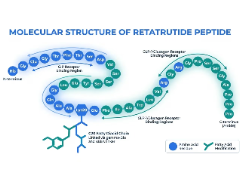
Drug structure
Three-dimensional representation of Retatrutide
Peptide Protocol Wiki
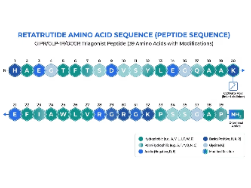
Color-coded amino acid sequence of Retatrutide
Peptide Protocol Wiki
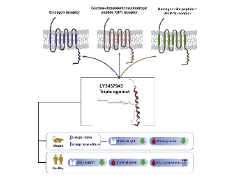
triple agonism
Coskun et al., 2022
Drug information
Associated long-acting platforms
Fusion protein or PEGylated conjugate
Administration route
Subcutaneous
Therapeutic area(s)
Use case(s)
Use of drug
Ease of administration
Frequency of administration
User acceptance
Dosage
Available dose and strength
2 mg, 4 mg, 6 mg, 9 mg, 12 mg
Maximum dose
12 mg
Recommended dosing regimen
Once weekly (QW) subcutaneous
Additional comments
Not provided
Dosage link(s)
Not provided
Drug information
Generic name
Brand name
Compound type
Drug class/category
Lifecycle status
Summary
Approval status
Regulatory authorities
Safety
Efficacy
Evidence Summary
Delivery device(s)
injector
Scale-up and manufacturing prospects
Scale-up prospects
Not provided
Tentative equipment list for manufacturing
Not provided
Manufacturing
Not provided
Specific analytical instrument required for characterization of formulation
Not provided
Clinical trials
TRIUMPH-1
Identifier
NCT05929066
Link
https://clinicaltrials.gov/study/NCT05929066
Phase
Phase III
Status
Completed
Sponsor
Eli Lilly and Company
More details
The purpose of this study is to evaluate the efficacy and safety of retatrutide in participants who have obesity or overweight, including subsets of participants who have knee osteoarthritis (OA) or who have obstructive sleep apnea (OSA). This study will last about 89 weeks and will include up to 24 visits. Addendum is optional and available to approximately 500 participants to continue treatment with retatrutide for up to an additional 24 weeks.
Purpose
A Study of Retatrutide (LY3437943) in Participants Who Have Obesity or Overweight
Interventions
Intervention 1
Intervention 2
Countries
Sites / Institutions
Not provided
Trials dates
Anticipated Start Date
Not provided
Actual Start Date
2023-07-10
Anticipated Date of Last Follow-up
2026-08-19
Estimated Primary Completion Date
Not provided
Estimated Completion Date
Not provided
Actual Primary Completion Date
2026-04-06
Actual Completion Date
2026-04-30
Studied populations
Age Cohort
- Adults
- Older Adults
Genders
- All
Accepts pregnant individuals
Unspecified
Accepts lactating individuals
Unspecified
Accepts healthy individuals
No
Comments about the studied populations
Inclusion Criteria: * Have body mass index (BMI) ≥30.0 kilograms per square meter (kg/m²), or ≥27.0 kg/m² with at least one of the following: * hypertension * dyslipidemia * obstructive sleep apnea, or * cardiovascular disease * History of at least one unsuccessful dietary effort to reduce body weight GOA1 Inclusion Criteria: * Have index knee pain for \>12 weeks prior to screening, and presence of index knee pain for \>15 days over the previous month * Have knee X-ray with moderate radiographic changes (Kellgren-Lawrence Grade 2 or 3) per central reading at screening * Currently meets American College of Rheumatology (ACR) Criteria (clinical and radiological) for OA. GSA1 Inclusion Criteria: * Previously diagnosed with OSA * Have AHI ≥15 on polysomnography at screening
Health status
Not provided
Study type
Interventional (clinical trial)
Enrollment
2335
Allocation
Randomized
Intervention model
Parallel Assignment
Intervention model description
Not provided
Masking
Double-blind masking
Masking description
Not provided
Frequency of administration
Studied LA-formulation(s)
Studied route(s) of administration
Use case
Treatment
Key resources
| Type | Title | Content | Link |
|---|---|---|---|
| Publication | Retatrutide, a Triple Hormone Receptor Agonist, for Treatment of Obesity | BackgroundRetatrutide is a triple-receptor agonist of glucose-dependent insulinotropic polypeptide, glucagon-like peptide-1, and glucagon receptors.MethodsIn this phase 3, randomized, double-blind trial, we assigned adults with obesity without diabetes to receive a once-weekly subcutaneous injection of retatrutide (at a dose of 4 mg, 9 mg, or 12 mg) or placebo for 80 weeks. Primary outcomes (evaluated in the 9-mg and 12-mg groups each vs. placebo) were the percent change in body weight and the change in the WOMAC pain score (ranging from 1 to 10, with higher scores indicating worse pain) in the subgroup of 574 participants with knee osteoarthritis and the change in the apnea–hypopnea index in the 243 participants with obstructive sleep apnea. For weight-related end points, intercurrent events were handled by a treatment-regimen estimand (intention-to-treat [ITT]). For end points in participants with knee osteoarthritis or obstructive sleep apnea, a hybrid-treatment estimand was applied, with a hypothetical strategy for intercurrent events suggesting treatment failure; ITT results are also reported.ResultsA total of 2339 participants underwent randomization. The mean percent change in body weight in the retatrutide groups was −17.6% (4-mg dose), −23.7% (9-mg dose), and −25.0% (12-mg dose) versus −3.9% in the placebo group (differences, −19.8 and −21.0 percentage points, respectively; P<0.001 for both comparisons). Among the participants with knee osteoarthritis, the corresponding changes in the pain score in the retatrutide groups for the hybrid estimand were −3.2, −3.5, and −3.6 versus −1.9 with placebo (differences, −1.6 and −1.8 points; both P<0.001); the corresponding changes for the ITT estimand were −3.4, −3.9, and −4.1 versus −2.5 with placebo (differences, −1.4 and −1.6 points; both P<0.001). Among the participants with obstructive sleep apnea, the corresponding changes in events per hour in the retatrutide groups for the hybrid-treatment estimand were −22.9, −34.3, and 31.7 versus −9.9 (differences, −24.4 and −21.9; both P<0.001); the corresponding changes for the ITT estimand were −22.8, −34.3, and −32.1 versus −9.6 (differences, −24.7 and −22.5; both P<0.001). The most common adverse events were gastrointestinal.ConclusionsIn adults with obesity, retatrutide resulted in significant weight reduction, reduced pain in participants with knee osteoarthritis, and reduced apnea–hypopnea events in participants with obstructive sleep apnea. (Funded by Eli Lilly; TRIUMPH-1 ClinicalTrials.gov number, NCT05929066.) |
TRIUMPH-2
Identifier
NCT05929079
Link
https://clinicaltrials.gov/study/NCT05929079
Phase
Phase III
Status
Completed
Sponsor
Eli Lilly and Company
More details
The purpose of this study is to is to evaluate the efficacy and safety of retatrutide in participants with type 2 diabetes in participants who have obesity or overweight (J1I-MC-GZBK master protocol) including a subset of participants who have obstructive sleep apnea (OSA) (J1I-MC-GSA2). The study will last about 89 weeks and will include up to 24 visits.
Purpose
A Study of Retatrutide (LY3437943) in Participants With Type 2 Diabetes Mellitus Who Have Obesity or Overweight
Interventions
Intervention 1
Intervention 2
Countries
Sites / Institutions
Not provided
Trials dates
Anticipated Start Date
Not provided
Actual Start Date
2023-07-11
Anticipated Date of Last Follow-up
2026-07-28
Estimated Primary Completion Date
Not provided
Estimated Completion Date
Not provided
Actual Primary Completion Date
2026-06-16
Actual Completion Date
2026-06-16
Studied populations
Age Cohort
- Adults
- Older Adults
Genders
- All
Accepts pregnant individuals
Unspecified
Accepts lactating individuals
Unspecified
Accepts healthy individuals
No
Comments about the studied populations
Inclusion Criteria: * Have a body mass index (BMI) greater than or equal to 27.0 kilogram/square meter (kg/m ²) * Have Type 2 Diabetes (T2D) * Are on stable treatment for T2D for at least 90 days * Have a history of at least one unsuccessful dietary effort to lose body weight. GSA2 Inclusion Criteria * Previously diagnosed with OSA * Have AHI ≥15 on polysomnography at screening (definition of moderate-to-severe OSA) * For participants not on positive airway pressure (PAP) therapy: unable or unwilling to use PAP therapy and have not used PAP for at least 4 weeks prior to screening. * If on PAP therapy, have been on PAP therapy for at least 3 consecutive months prior to screening, and willing to temporarily stop using PAP therapy for approximately 7 days prior to each of the sleep study (
Health status
Not provided
Study type
Interventional (clinical trial)
Enrollment
1152
Allocation
Randomized
Intervention model
Parallel Assignment
Intervention model description
Not provided
Masking
Double-blind masking
Masking description
Not provided
Frequency of administration
Not provided
Studied LA-formulation(s)
Not provided
Studied route(s) of administration
Not provided
Use case
Not provided
Key resources
| Type | Title | Content | Link |
|---|---|---|---|
| Publication | Retatrutide in adults with obesity and type 2 diabetes (TRIUMPH-2): a double-blind, parallel-group, randomised, placebo-controlled, phase 3 trial. | Background: Retatrutide is an agonist of GIP, GLP-1, and glucagon receptors, and is currently under investigation for the treatment of obesity, type 2 diabetes, and other comorbidities, including knee osteoarthritis and obstructive sleep apnoea. We aimed to assess the efficacy and safety of retatrutide in adults with obesity and type 2 diabetes.Methods: TRIUMPH-2 was a double-blind, parallel-group, randomised, placebo-controlled, phase 3 trial conducted at 92 medical and research centres and hospitals across eight countries. We enrolled adults (aged ≥18 years) with a BMI of 27 kg/m2 or higher and type 2 diabetes (glycated haemoglobin [HbA1c] 6·5-10·5%) on stable treatment for type 2 diabetes for at least 90 days before screening (diet or exercise alone, or up to three oral glucose-lowering medications), and a history of at least one self-reported unsuccessful dietary effort to reduce bodyweight. Participants were randomly assigned (1:1:1:1), using an interactive web-response system, to receive once-weekly subcutaneous injections (self-administered) of placebo or retatrutide 4 mg, 9 mg, or 12 mg. The primary endpoint was the percentage change from baseline to week 80 in bodyweight for the retatrutide 9 mg and 12 mg doses versus placebo, with 4 mg versus placebo a key secondary endpoint. Efficacy analyses included all randomly assigned participants, with missing data imputed with a primary multiple imputation strategy for the treatment regimen estimand. Safety analyses included all randomly assigned participants who received at least one dose of study drug. This trial is registered with ClinicalTrials.gov, NCT05929079 (completed).Findings: Between July 11, 2023, and Nov 1, 2024, 2047 participants were screened, and 1152 (mean age 55·1 years [SD 10·8], 554 [48%] females and 598 [52%] males, and 672 [58%] of White ethnicity) were randomly assigned to retatrutide 4 mg (n=292), 9 mg (n=284), or 12 mg (n=287), or placebo (n=289). At baseline, the mean BMI was 38·2 kg/m2 (SD 7·4), mean HbA1c was 7·71% (1·07), median duration of obesity was 21 years (IQR 11-31), and median duration of diabetes was 5·6 years (2·6-10·4). At baseline, 1055 (92%) of 1152 participants were on any oral glucose-lowering medication, including biguanides, SGLT2 inhibitors, sulfonylureas, and other oral glucose-lowering medications. Of 1152 participants, 965 (84%) completed the study drug. For the treatment regimen estimand, the mean percentage change from baseline in bodyweight at week 80 was -11·9% (SE 0·6) with retatrutide 4 mg, -16·8% (0·7) with retatrutide 9 mg, -18·8% (0·7) with retatrutide 12 mg, and -5·1% (0·7) with placebo. Estimated treatment differences compared with placebo for percentage change in bodyweight were -6·9% (95% CI -8·7 to -5·1) with retatrutide 4 mg, -11·8% (-13·7 to -9·8) with retatrutide 9 mg, and -13·8% (-15·8 to -11·8) with retatrutide 12 mg (p<0·0001 for all). The most frequently reported adverse events were gastrointestinal, which were more common in the retatrutide groups than in the placebo group (diarrhoea occurred in 80 [27%] of 292 participants in the 4 mg group, 95 [34%] of 284 in the 9 mg group, and 96 [34%] of 286 in the 12 mg group vs 38 [13%] of 287 in the placebo group, and nausea occurred in 40 [14%], 59 [21%], and 80 [28%] vs 23 [8%]). Hypotension and dysesthesia were more frequent with retatrutide than with placebo (four [1%] in the 4 mg group, 14 [5%] in the 9 mg group, and 18 (6%) in the 12 mg group vs one [<1%] in the placebo group with hypotension; 13 [4%], 16 [6%], and 21 [7%] vs two [1%] in the placebo group with dysesthesia). Permanent treatment discontinuation due to adverse events or death was more frequent in participants treated with retatrutide 9 mg (33 [12%]) and 12 mg (22 [8%]) compared with retatrutide 4 mg (11 [4%]) and placebo (14 [5%]). Two participants died in the retatrutide 4 mg group, three in the 9 mg group, one in the 12 mg group, and one in the placebo group; all deaths were deemed to be unrelated to the study intervention by the investigator.Interpretation: Treatment with retatrutide resulted in substantial improvements in bodyweight and was associated with improvements in glycaemic control in participants with obesity and type 2 diabetes, with a safety profile generally consistent with other molecules with GLP-1 receptor agonism. These results show that retatrutide might be effective for the treatment of obesity in people with type 2 diabetes.Lancet. 2026 Sep 29:S0140-6736(26)01861-1. doi: 10.1016/S0140-6736(26)01861-1. Epub ahead of print. PMID: 42810372. |
TRIUMPH-3
Identifier
NCT05882045
Link
https://clinicaltrials.gov/study/NCT05882045
Phase
Phase III
Status
Completed
Sponsor
Eli Lilly and Company
More details
The main purpose of this study is to evaluate the efficacy and safety of retatrutide once weekly in participants with obesity and established cardiovascular disease (CVD). The study will last about 113 weeks.
Purpose
A Study of Retatrutide (LY3437943) in Participants With Obesity and Cardiovascular Disease
Interventions
Intervention 1
Intervention 2
Countries
Sites / Institutions
Not provided
Trials dates
Anticipated Start Date
Not provided
Actual Start Date
2023-05-30
Anticipated Date of Last Follow-up
2026-07-28
Estimated Primary Completion Date
Not provided
Estimated Completion Date
Not provided
Actual Primary Completion Date
2026-04-16
Actual Completion Date
2026-05-14
Studied populations
Age Cohort
- Adults
- Older Adults
Genders
- All
Accepts pregnant individuals
Unspecified
Accepts lactating individuals
Unspecified
Accepts healthy individuals
No
Comments about the studied populations
Inclusion Criteria: * Have a body mass index (BMI) ≥35.0 kilogram/square meter (kg/m²). * Have established cardiovascular (CV) disease with at least 1 of the following: * prior myocardial infarction * prior ischemic or hemorrhagic stroke, or * symptomatic peripheral arterial disease * Have a history of at least 1 self-reported unsuccessful dietary effort to reduce body weight. Exclusion Criteria: * Have had acute myocardial infarction, stroke, coronary revascularization, hospitalization for unstable angina, or hospitalization due to congestive heart failure within 90 days prior to screening. * Have taken weight loss drugs, including over-the-counter medications, within 90 days prior to screening. * Have a prior or planned surgical treatment of obesity. * Have a change in body wei
Health status
Not provided
Study type
Interventional (clinical trial)
Enrollment
1946
Allocation
Randomized
Intervention model
Parallel Assignment
Intervention model description
Not provided
Masking
Double-blind masking
Masking description
Not provided
Frequency of administration
Studied LA-formulation(s)
Studied route(s) of administration
Use case
Treatment
Key resources
| Type | Title | Content | Link |
|---|---|---|---|
| Link | TRIUMPH-3: trial design, status, and results | https://www.glp3.wiki/articles/triumph-3 | |
| Link | A Study of Retatrutide (LY3437943) in Participants With Obesity and Cardiovascular Disease (TRIUMPH-3) | https://trials.lilly.com/en-US/trial/405675 |
TRIUMPH-4
Identifier
NCT05931367
Link
https://clinicaltrials.gov/study/NCT05931367
Phase
Phase III
Status
Completed
Sponsor
Eli Lilly and Company
More details
The main purpose of this study is to evaluate the safety and efficacy of retatrutide once-weekly in participants who have obesity or are overweight and have osteoarthritis (OA) of the knee. The study will lasts about 77 weeks.
Purpose
A Study of Retatrutide (LY3437943) Once Weekly in Participants Who Have Obesity or Overweight and Osteoarthritis of the Knee
Interventions
Intervention 1
Intervention 2
Countries
Sites / Institutions
Not provided
Trials dates
Anticipated Start Date
Not provided
Actual Start Date
2023-08-01
Anticipated Date of Last Follow-up
2026-01-20
Estimated Primary Completion Date
Not provided
Estimated Completion Date
Not provided
Actual Primary Completion Date
2025-11-14
Actual Completion Date
2025-11-14
Studied populations
Age Cohort
- Adults
- Older Adults
Genders
- All
Accepts pregnant individuals
Unspecified
Accepts lactating individuals
Unspecified
Accepts healthy individuals
No
Comments about the studied populations
Inclusion Criteria: * Have a body mass index (BMI) ≥27 kg/m² at screening. * Have a history of at least 1 self-reported unsuccessful dietary effort to lose body weight. * Have index knee pain for \>12 weeks prior to screening, and presence of index knee pain for \>15 days over the previous month. * Have knee X-ray with moderate radiographic changes (Kellgren-Lawrence Grade 2 or 3) per central reading at screening. * Currently meets American College of Rheumatology (ACR) Criteria (clinical and radiological) for OA. Exclusion Criteria: * Have had steroid joint injections within 90 days of screening. * Have had other joint injections and procedures within 6 months of screening. * Have joint disease other than osteoarthritis. * Have a self-reported or documented change in body weig
Health status
Not provided
Study type
Interventional (clinical trial)
Enrollment
445
Allocation
Randomized
Intervention model
Parallel Assignment
Intervention model description
Not provided
Masking
Double-blind masking
Masking description
Not provided
Frequency of administration
Studied LA-formulation(s)
Studied route(s) of administration
Use case
Treatment
Key resources
TRIUMPH-6
Identifier
NCT06859268
Link
https://clinicaltrials.gov/study/NCT06859268
Phase
Phase III
Status
Active, not recruiting
Sponsor
Eli Lilly and Company
More details
This is a study of retatrutide in participants with obesity. The main purpose is to learn more about how retatrutide maintains body weight loss. The study will have two treatment phases: an 80 week lead-in phase in which all participants will take retatrutide dose 1 and a 36 week randomized, double-blinded phase in which participants will either take retatrutide dose 1, retatrutide dose 2, or switch to placebo. Participation in the study will last around 125 weeks.
Purpose
A Study of Retatrutide (LY3437943) in the Maintenance of Weight Reduction in Individuals With Obesity
Interventions
Intervention 1
Intervention 2
Countries
Sites / Institutions
Not provided
Trials dates
Anticipated Start Date
Not provided
Actual Start Date
2025-03-05
Anticipated Date of Last Follow-up
2026-02-27
Estimated Primary Completion Date
2028-04-01
Estimated Completion Date
2028-04-01
Actual Primary Completion Date
Not provided
Actual Completion Date
Not provided
Studied populations
Age Cohort
- Adults
- Older Adults
Genders
- All
Accepts pregnant individuals
Unspecified
Accepts lactating individuals
Unspecified
Accepts healthy individuals
No
Comments about the studied populations
Inclusion Criteria: * Have obesity and a history of at least one self-reported unsuccessful dietary effort to reduce body weight Exclusion Criteria: * Have a self-reported change in body weight \>5 kilograms (kg) (11 pounds) within 90 days before screening * Have a prior or planned surgical treatment for obesity * Have a prior or planned endoscopic procedure and/or device-based therapy for obesity * Have Type 1 Diabetes, Type 2 Diabetes, or any other type of diabetes * Have a family or personal history of medullary thyroid carcinoma (MTC) or multiple endocrine neoplasia syndrome type 2 (MEN-2) * Have had within the past 90 days before screening: * acute myocardial infarction * cerebrovascular accident (stroke) * hospitalization for unstable angina, or * hospitalization due to c
Health status
Not provided
Study type
Interventional (clinical trial)
Enrollment
643
Allocation
Randomized
Intervention model
Parallel Assignment
Intervention model description
Not provided
Masking
Double-blind masking
Masking description
Not provided
Frequency of administration
Studied LA-formulation(s)
Studied route(s) of administration
Use case
Treatment
Key resources
TRIUMPH-7
Identifier
NCT07035093
Link
https://clinicaltrials.gov/study/NCT07035093
Phase
Phase III
Status
Active, not recruiting
Sponsor
Eli Lilly and Company
More details
The main purpose of this study is to evaluate the efficacy and safety of retatrutide in relieving chronic low back pain in participants who have obesity or overweight. Participation in the study will last about 80 weeks.
Purpose
A Study of Retatrutide (LY3437943) in Participants Who Have Obesity or Overweight and Chronic Low Back Pain
Interventions
Intervention 1
Intervention 2
Countries
Sites / Institutions
Not provided
Trials dates
Anticipated Start Date
Not provided
Actual Start Date
2025-05-29
Anticipated Date of Last Follow-up
2026-09-23
Estimated Primary Completion Date
2027-09-01
Estimated Completion Date
2027-09-01
Actual Primary Completion Date
Not provided
Actual Completion Date
Not provided
Studied populations
Age Cohort
- Adults
- Older Adults
Genders
- All
Accepts pregnant individuals
Unspecified
Accepts lactating individuals
Unspecified
Accepts healthy individuals
No
Comments about the studied populations
Inclusion Criteria: * Have a history of axial-predominant low back pain * Have pain that is restricted to the low back or with a referral pattern limited to the proximal legs * Have a body mass index (BMI) ≥27 kilograms per square meter (kg/m2) at screening * Have a history of at least 1 self-reported unsuccessful dietary effort to lose body weight Exclusion Criteria: * Have a non-axial origin low back pain * Have had botulinum or steroid injections to the spine within 1 year of screening * Have had trigger point injection to the spine within 6 months of screening * Have a self-reported change in body weight \>5 kilograms (kg) (11 pounds) within 90 days prior to screening * Have been taking drugs to promote body weight reduction, including over-the-counter medications, within 90 days pr
Health status
Not provided
Study type
Interventional (clinical trial)
Enrollment
586
Allocation
Randomized
Intervention model
Parallel Assignment
Intervention model description
Not provided
Masking
Double-blind masking
Masking description
Not provided
Frequency of administration
Studied LA-formulation(s)
Studied route(s) of administration
Use case
Treatment
Key resources
TRIUMPH-8
Identifier
NCT07232719
Link
https://clinicaltrials.gov/study/NCT07232719
Phase
Phase III
Status
Active, not recruiting
Sponsor
Eli Lilly and Company
More details
The purpose of this study is to evaluate the efficacy and safety of retatrutide compared with placebo for body weight reduction. Participation in the study will last about 65 weeks and may include about 18 visits.
Purpose
A Study of Retatrutide (LY3437943) in Participants With Obesity or Overweight
Interventions
Intervention 1
Intervention 2
Countries
Sites / Institutions
Not provided
Trials dates
Anticipated Start Date
Not provided
Actual Start Date
2025-11-17
Anticipated Date of Last Follow-up
2026-04-16
Estimated Primary Completion Date
2027-07-01
Estimated Completion Date
2027-07-01
Actual Primary Completion Date
Not provided
Actual Completion Date
Not provided
Studied populations
Age Cohort
- Adults
- Older Adults
Genders
- All
Accepts pregnant individuals
Unspecified
Accepts lactating individuals
Unspecified
Accepts healthy individuals
No
Comments about the studied populations
Inclusion Criteria: * Have a body mass index (BMI) of: * ≥30 kilogram per square meter (kg/m2) OR * ≥27 kg/m2 with at least one of the following weight-related conditions: high blood pressure, abnormal levels of lipid, obstructive sleep apnea, heart disease * Have at least one unsuccessful attempt to lose weight by dieting Exclusion Criteria: * Have a self-reported change in body weight \>5 kg (11 pounds) within 90 days before screening * Have a prior or planned surgical treatment for obesity * Have type 1 diabetes or type 2 diabetes * Have a family or personal history of medullary thyroid carcinoma (MTC) or multiple endocrine neoplasia syndrome type 2 (MEN-2) * Have had within the past 90 days before screening * acute myocardial infarction * cerebrovascular accident (stroke)
Health status
Not provided
Study type
Interventional (clinical trial)
Enrollment
250
Allocation
Randomized
Intervention model
Parallel Assignment
Intervention model description
Not provided
Masking
Double-blind masking
Masking description
Not provided
Frequency of administration
Studied LA-formulation(s)
Studied route(s) of administration
Use case
Treatment
Key resources
TRIUMPH-9
Identifier
NCT07357415
Link
https://clinicaltrials.gov/study/NCT07357415
Phase
Phase III
Status
Active, not recruiting
Sponsor
Eli Lilly and Company
More details
The purpose of this study is to investigate the efficacy and safety of different retatrutide dose escalation schemes in participants without type 2 diabetes who have obesity or overweight. Participation in the study will last about 113 weeks.
Purpose
A Study of Retatrutide (LY3437943) in Participants Without Type 2 Diabetes Who Have Obesity or Overweight
Interventions
Intervention 1
Countries
Sites / Institutions
Not provided
Trials dates
Anticipated Start Date
Not provided
Actual Start Date
2026-01-24
Anticipated Date of Last Follow-up
2026-06-08
Estimated Primary Completion Date
2028-10-01
Estimated Completion Date
2028-11-01
Actual Primary Completion Date
Not provided
Actual Completion Date
Not provided
Studied populations
Age Cohort
- Adults
- Older Adults
Genders
- All
Accepts pregnant individuals
Unspecified
Accepts lactating individuals
Unspecified
Accepts healthy individuals
No
Comments about the studied populations
Inclusion Criteria: * Have a Body Mass Index (BMI) at screening * ≥ 30 kilogram per square meter (kg/m2) OR * ≥ 27 kg/m2 with presence of at least one of the following weight-related conditions at screening: high blood pressure, abnormal levels of lipid, obstructive sleep apnea, heart disease * Have at least one unsuccessful attempt to lose weight by dieting Exclusion Criteria: * Have a self-reported change in body weight \>5 kilograms (kg) (11 pounds) within 90 days before screening * Have a prior or planned surgical treatment for obesity * Have type 1 diabetes or type 2 diabetes * Have a family or personal history of medullary thyroid carcinoma (MTC) or multiple endocrine neoplasia syndrome type 2 (MEN-2) * Have had within the past 90 days before screening: * heart attack *
Health status
Not provided
Study type
Interventional (clinical trial)
Enrollment
600
Allocation
Randomized
Intervention model
Parallel Assignment
Intervention model description
Not provided
Masking
Double-blind masking
Masking description
Not provided
Frequency of administration
Studied LA-formulation(s)
Studied route(s) of administration
Use case
Treatment
Key resources
TRIUMPH-OUTCOMES (MACE, KD)
Identifier
NCT06383390
Link
https://clinicaltrials.gov/study/NCT06383390
Phase
Phase III
Status
Active, not recruiting
Sponsor
Eli Lilly and Company
More details
The main purpose of this study is to determine if retatrutide can significantly lower the incidence of serious heart-related complications or prevent the worsening of kidney function. The trial will enroll adults with body mass index 27 kg/m\^2 or higher and Atherosclerotic Cardiovascular Disease and/or chronic kidney disease. The study will last for about 5 years. Participants will have up to 27 clinic visits with the study doctor.
Purpose
The Effect of Retatrutide Once Weekly on Cardiovascular Outcomes and Kidney Outcomes in Adults Living With Obesity (TRIUMPH-Outcomes)
Interventions
Intervention 1
Intervention 2
Countries
Sites / Institutions
Not provided
Trials dates
Anticipated Start Date
Not provided
Actual Start Date
2024-04-30
Anticipated Date of Last Follow-up
2026-09-23
Estimated Primary Completion Date
2029-02-01
Estimated Completion Date
2029-02-01
Actual Primary Completion Date
Not provided
Actual Completion Date
Not provided
Studied populations
Age Cohort
- Adults
- Older Adults
Genders
- All
Accepts pregnant individuals
Unspecified
Accepts lactating individuals
Unspecified
Accepts healthy individuals
No
Comments about the studied populations
Inclusion Criteria: * Participants may be without type 2 diabetes (T2D), or with T2D if their hemoglobin A1c (HbA1c) is 10% or lower * Participants have established atherosclerotic cardiovascular disease (ASCVD) and/or chronic kidney disease (CKD), as evidenced at least one of the following: * Coronary artery disease * Cerebrovascular disease * Peripheral arterial disease * Chronic kidney disease defined as: * eGFR \<45 millilitres/minute/1.73 meter squared (mL/min/1.73m\^2) and UACR \>30 milligram/gram (mg/g) (0.030 mg/mg) * eGFR \<60 mL/min/1.73 m\^2 and UACR \>100 mg/g (0.100 mg/mg), or * eGFR \<75 mL/min/1.73 m\^2 and UACR \>300 mg/g (0.300 mg/mg) (eGFR is calculated by central lab based on Chronic Kidney Disease Epidemiology Collaboration (CKD-EPI) creatinine-cy
Health status
Not provided
Study type
Interventional (clinical trial)
Enrollment
10000
Allocation
Randomized
Intervention model
Parallel Assignment
Intervention model description
Not provided
Masking
Double-blind masking
Masking description
Not provided
Frequency of administration
Studied LA-formulation(s)
Studied route(s) of administration
Use case
Treatment
Key resources
TRIUMPH-5
Identifier
NCT06662383
Link
https://clinicaltrials.gov/study/NCT06662383
Phase
Phase III
Status
Active, not recruiting
Sponsor
Eli Lilly and Company
More details
The main purpose of this study is to evaluate the efficacy and safety of retatrutide compared to tirzepatide in adults who have obesity. The study will last about 89 weeks.
Purpose
A Study of Retatrutide (LY3437943) Compared to Tirzepatide (LY3298176) in Adults Who Have Obesity
Interventions
Intervention 1
Intervention 2
Countries
Sites / Institutions
Not provided
Trials dates
Anticipated Start Date
Not provided
Actual Start Date
2024-11-01
Anticipated Date of Last Follow-up
2026-07-17
Estimated Primary Completion Date
2026-11-01
Estimated Completion Date
2026-12-01
Actual Primary Completion Date
Not provided
Actual Completion Date
2026-12-01
Studied populations
Age Cohort
- Adults
- Older Adults
Genders
- All
Accepts pregnant individuals
Unspecified
Accepts lactating individuals
Unspecified
Accepts healthy individuals
No
Comments about the studied populations
Inclusion Criteria: * Have obesity and a history of at least one self-reported unsuccessful dietary effort to reduce body weight. Exclusion Criteria: * Have a self-reported change in body weight \>5 kilograms (kg) (11 pounds) within 90 days before screening. * Have a prior or planned surgical treatment for obesity. * Have a prior or planned endoscopic procedure and/or device-based therapy for obesity. * Have taken weight loss drugs, including over-the-counter medications, within 90 days prior to screening. * Have a family or personal history of medullary thyroid carcinoma (MTC) or multiple endocrine neoplasia syndrome type 2 (MEN-2). * Have had within the past 90 days before screening: * acute myocardial infarction * cerebrovascular accident (stroke) * coronary revascularization
Health status
Not provided
Study type
Interventional (clinical trial)
Enrollment
800
Allocation
Randomized
Intervention model
Parallel Assignment
Intervention model description
Not provided
Masking
Double-blind masking
Masking description
Not provided
Frequency of administration
Studied LA-formulation(s)
Studied route(s) of administration
Use case
Treatment
Key resources
TRANSCEND-T2D-1
Identifier
NCT06354660
Link
https://clinicaltrials.gov/study/NCT06354660
Phase
Phase III
Status
Completed
Sponsor
Eli Lilly and Company
More details
The purpose of this study is to investigate the efficacy and safety of retatrutide compared with placebo in participants with Type 2 Diabetes and inadequate glycemic control. The study will last about 11 months and may include up to 11 visits.
Purpose
Effect of Retatrutide Compared With Placebo in Adult Participants With Type 2 Diabetes and Inadequate Glycemic Control With Diet and Exercise Alone (TRANSCEND-T2D-1)
Interventions
Intervention 1
Intervention 2
Countries
Sites / Institutions
Not provided
Trials dates
Anticipated Start Date
Not provided
Actual Start Date
2024-04-10
Anticipated Date of Last Follow-up
2026-03-03
Estimated Primary Completion Date
Not provided
Estimated Completion Date
Not provided
Actual Primary Completion Date
2026-01-22
Actual Completion Date
2026-02-20
Studied populations
Age Cohort
- Adults
- Older Adults
Genders
- All
Accepts pregnant individuals
Unspecified
Accepts lactating individuals
Unspecified
Accepts healthy individuals
No
Comments about the studied populations
Inclusion Criteria: * Have Type 2 Diabetes (T2D) * Have HbA1c ≥ 7.0% to ≤ 9.5% * Are naïve to insulin therapy and have not used oral or injectable antihyperglycemic (diabetes) medication for at least 90 days prior to screening * Are of stable weight for at least 90 days prior to screening * Have a Body Mass Index (BMI) ≥ 23.0 kilograms per meter squared (kg/m\^2) Exclusion Criteria: * Have Type 1 Diabetes (T1D) * Have a history of ketoacidosis or hyperosmolar state or coma within the last 6 months prior to screening * Have a history of severe hypoglycemia or hypoglycemia unawareness within the last 6 months prior to screening * Are currently receiving or planning to receive treatment for diabetic retinopathy and/or macular edema * Have an estimated glomerular filtration rate (eGFR) \<15
Health status
Not provided
Study type
Interventional (clinical trial)
Enrollment
537
Allocation
Randomized
Intervention model
Parallel Assignment
Intervention model description
Not provided
Masking
Double-blind masking
Masking description
Not provided
Frequency of administration
Studied LA-formulation(s)
Studied route(s) of administration
Use case
Treatment
Key resources
| Type | Title | Content | Link |
|---|---|---|---|
| Publication | Efficacy and safety of retatrutide, a GIP, GLP-1, and glucagon receptor agonist, in people with type 2 diabetes and inadequate glycaemic control with diet and exercise (TRANSCEND-T2D-1): a double-blind, randomised, phase 3 trial | BackgroundRetatrutide is a GIP, GLP-1, and glucagon triple hormone receptor agonist, under clinical development for type 2 diabetes, obesity, and related complications. We aimed to assess the efficacy and safety of retatrutide as a monotherapy in people with type 2 diabetes that is inadequately controlled by diet and exercise alone.MethodsIn this 40-week, phase 3, randomised, double-blind, placebo-controlled trial at 48 sites in the USA, Mexico, and India, we recruited adults (aged ≥18 years) with type 2 diabetes that is inadequately controlled by diet and exercise alone, glycated haemoglobin (HbA1c) between 7·0% and 9·5% (53–80 mmol/mol), and BMI of at least 23 kg/m2. Participants were randomly assigned (1:1:1:1) to receive retatrutide (4 mg, 9 mg, or 12 mg) or placebo by once-weekly subcutaneous injection. The primary endpoint was the change in HbA1c concentration from baseline to week 40. A key secondary endpoint was the percentage change in bodyweight from baseline to week 40. This trial is registered with ClinicalTrials.gov, NCT06354660, and is completed.FindingsBetween April 10, 2024, and April 21, 2025, 930 participants were screened and 537 (296 [55%] female and 241 [45%] male) were randomly assigned: 134 to retatrutide 4 mg, 133 to retatrutide 9 mg, 136 to retatrutide 12 mg, and 134 to placebo. Baseline mean age was 48·8 years (SD 12·1), mean HbA1c concentration was 7·9% (SD 1·1), mean duration of diabetes was 2·5 years (SD 4·4), and mean BMI was 35·8 kg/m2 (SD 7·0). 490 (91%) participants completed the treatment period on study drug and 504 (94%) completed the study. For the treatment regimen estimand, the mean change from baseline in HbA1c concentration was –1·69% (SE 0·11) with retatrutide 4 mg, –1·86% (0·10) with 9 mg, and –1·94% (0·08) with 12 mg, versus –0·81% (0·12) with placebo, resulting in estimated treatment differences versus placebo of –0·88% (95% CI –1·18 to –0·59) with retatrutide 4 mg, –1·04% (–1·32 to –0·76) with 9 mg, and –1·12% (–1·39 to –0·85) with 12 mg (all p<0·0001). The mean percentage change from baseline in bodyweight was –11·5% (SE 0·7) with retatrutide 4 mg, –13·9% (0·8) with 9 mg, and –15·3% (0·8) with 12 mg, versus –2·6% (0·5) with placebo. The most frequent adverse events with retatrutide were generally mild to moderate gastrointestinal events, which subsided over time. Study intervention discontinuations due to adverse events were 2–5% with retatrutide and 0% with placebo. No severe hypoglycaemia was reported. Two deaths occurred during the study, both in the retatrutide 4 mg group and unrelated to the study drug. |
TRANSCEND-T2D-2
Identifier
NCT06260722
Link
https://clinicaltrials.gov/study/NCT06260722
Phase
Phase III
Status
Active, not recruiting
Sponsor
Eli Lilly and Company
More details
The purpose of this study is to investigate the efficacy and safety of retatrutide compared with semaglutide in participants with Type 2 Diabetes and inadequate glycemic control with metformin with or without sodium-glucose cotransporter-2 inhibitor (SGLT2i). The study will last about 26 months and may include up to 24 visits.
Purpose
Effect of Retatrutide Compared With Semaglutide in Adult Participants With Type 2 Diabetes and Inadequate Glycemic Control With Metformin With or Without SGLT2 Inhibitor (TRANSCEND-T2D-2)
Interventions
Intervention 1
Intervention 2
Intervention 3
Intervention 4
Countries
Sites / Institutions
Not provided
Trials dates
Anticipated Start Date
Not provided
Actual Start Date
2024-02-21
Anticipated Date of Last Follow-up
2026-09-24
Estimated Primary Completion Date
Not provided
Estimated Completion Date
2027-02-01
Actual Primary Completion Date
2026-08-27
Actual Completion Date
Not provided
Studied populations
Age Cohort
- Adults
- Older Adults
Genders
- All
Accepts pregnant individuals
Unspecified
Accepts lactating individuals
Unspecified
Accepts healthy individuals
No
Comments about the studied populations
Inclusion Criteria: * Have Type 2 Diabetes (T2D) * Have HbA1c ≥ 7.0% (53 millimoles per mole (mmol/mol)) to ≤ 10.5% (91 mmol/mol) * Have been on a stable diabetes treatment consisting of metformin ≥ 1500 milligrams per day (mg/day) with or without SGLT2i during 90 days prior to screening * Are of stable weight for at least 90 days prior to screening * Have a Body Mass Index (BMI) ≥ 25.0 kilograms per meter squared (kg/m\^2) Exclusion Criteria: * Have Type 1 Diabetes (T1D) * Have a history of ketoacidosis or hyperosmolar state or coma within the last 6 months prior to screening * Have a history of severe hypoglycemia or hypoglycemia unawareness within the last 6 months prior to screening * Are currently receiving or planning to receive treatment for diabetic retinopathy and/or macular ed
Health status
Not provided
Study type
Interventional (clinical trial)
Enrollment
1250
Allocation
Randomized
Intervention model
Parallel Assignment
Intervention model description
Not provided
Masking
Open label
Masking description
Not provided
Frequency of administration
Studied LA-formulation(s)
Studied route(s) of administration
Use case
Treatment
Key resources
TRANSCEND-T2D-3
Identifier
NCT06297603
Link
https://clinicaltrials.gov/study/NCT06297603
Phase
Phase III
Status
Active, not recruiting
Sponsor
Eli Lilly and Company
More details
The purpose of this study is to investigate the efficacy and safety of retatrutide compared with placebo in participants with Type 2 Diabetes and renal impairment, with inadequate glycemic control on basal insulin alone or a combination of basal insulin with or without metformin and/or sodium-glucose cotransporter-2 (SGLT2) inhibitor. The study will last about 14 months and may include up to 22 visits.
Purpose
Effect of Retatrutide Compared With Placebo in Participants With Type 2 Diabetes and Moderate or Severe Renal Impairment, With Inadequate Glycemic Control on Basal Insulin, With or Without Metformin a
Interventions
Intervention 1
Intervention 2
Countries
Sites / Institutions
Not provided
Trials dates
Anticipated Start Date
Not provided
Actual Start Date
2024-03-15
Anticipated Date of Last Follow-up
2026-07-17
Estimated Primary Completion Date
2026-10-01
Estimated Completion Date
2026-11-01
Actual Primary Completion Date
Not provided
Actual Completion Date
Not provided
Studied populations
Age Cohort
- Adults
- Older Adults
Genders
- All
Accepts pregnant individuals
Unspecified
Accepts lactating individuals
Unspecified
Accepts healthy individuals
No
Comments about the studied populations
Inclusion Criteria: * Have Type 2 Diabetes (T2D) * Have HbA1c ≥7.0% (53 millimoles per mole (mmol/mol)) to ≤10.5% (91 mmol/mol) * Have moderate or severe renal impairment * Have been on the following stable diabetes treatment during 90 days prior to screening * basal insulin (≥20 International Units (IU)/day) with or without * metformin and/or SGLT2 inhibitor * Are of stable weight for at least 90 days prior to screening * Have a Body Mass Index (BMI) ≥23.0 kilograms per meter squared (kg/m2) Exclusion Criteria: * Have Type 1 Diabetes (T1D) * Have a history of ketoacidosis or hyperosmolar state or coma within the last 6 months prior to screening * Have a history of severe hypoglycemia or hypoglycemia unawareness within the last 6 months prior to screening * Are currently receiving
Health status
Not provided
Study type
Interventional (clinical trial)
Enrollment
320
Allocation
Randomized
Intervention model
Parallel Assignment
Intervention model description
Not provided
Masking
Double-blind masking
Masking description
Not provided
Frequency of administration
Studied LA-formulation(s)
Studied route(s) of administration
Use case
Treatment
Key resources
SYNERGY-Outcomes
Identifier
NCT07165028
Link
https://clinicaltrials.gov/study/NCT07165028
Phase
Phase III
Status
Recruiting
Sponsor
Eli Lilly and Company
More details
The main purpose of the SYNERGY-OUTCOMES study is to find out whether retatrutide and tirzepatide can prevent major adverse liver outcomes (MALO) in people with high-risk metabolic dysfunction-associated steatotic liver disease (MASLD). The study will enroll adults who have MASLD based on non-invasive tests (NITs), which indicate they are more likely to develop MALO. Participants will be randomly assigned within a Master Protocol to receive either retatrutide (N1T-MC-RT01), tirzepatide (N1T-MC-TZ01) or placebo. The trial plans to enroll about 4,500 adults and will run for approximately 224 weeks. Participants may have up to approximately 25 to 30 clinic visits throughout the study to monitor their health, complete study procedures, and assess liver function and disease progression. Once t
Purpose
A Master Protocol of Multiple Agents in Adults With Metabolic Dysfunction-Associated Steatotic Liver Disease (SYNERGY-Outcomes)
Interventions
Intervention 1
Intervention 2
Intervention 3
Countries
Sites / Institutions
Not provided
Trials dates
Anticipated Start Date
Not provided
Actual Start Date
2025-10-15
Anticipated Date of Last Follow-up
2026-09-21
Estimated Primary Completion Date
2030-08-01
Estimated Completion Date
2032-08-01
Actual Primary Completion Date
Not provided
Actual Completion Date
2032-08-01
Studied populations
Age Cohort
- Adults
- Older Adults
Genders
- All
Accepts pregnant individuals
Unspecified
Accepts lactating individuals
Unspecified
Accepts healthy individuals
No
Comments about the studied populations
Inclusion Criteria: * Have liver fat content ≥8% * Have ELF score of ≥9 and ≤10.8 at screening * Have VCTE LSM ≥10 kilopascal (kPa) and \<20 kPa at screening Exclusion Criteria: * Have any other type of liver disease other than MASLD * Have a body mass index (BMI) \<25 kilogram per square meter (kg/m2) * Prior decompensated liver disease (history of esophageal/gastric varices, ascites, hepatic encephalopathy) * Have lost more than 11 pounds within the 3 months prior to screening * Have a hemoglobin A1c (HbA1c) greater than 10% * Have type 1 diabetes
Health status
Not provided
Study type
Interventional (clinical trial)
Enrollment
4500
Allocation
Randomized
Intervention model
Parallel Assignment
Intervention model description
Not provided
Masking
Single blind masking
Masking description
Not provided
Frequency of administration
Studied LA-formulation(s)
Studied route(s) of administration
Use case
Treatment
Key resources
18122 - J1I-MC-GZBF
Identifier
NCT04881760
Link
https://clinicaltrials.gov/study/NCT04881760
Phase
Phase II
Status
Completed
Sponsor
Eli Lilly and Company
More details
This is a study of LY3437943 in participants who have obesity or are overweight. The main purpose is to learn more about how LY3437943 affects body weight loss. The study will last about 18 months and may include up to 18 visits.
Purpose
A Study of LY3437943 in Participants Who Have Obesity or Are Overweight
Interventions
Intervention 1
Intervention 2
Countries
Sites / Institutions
Not provided
Trials dates
Anticipated Start Date
Not provided
Actual Start Date
2021-05-20
Anticipated Date of Last Follow-up
2023-08-23
Estimated Primary Completion Date
Not provided
Estimated Completion Date
Not provided
Actual Primary Completion Date
2022-05-16
Actual Completion Date
2022-11-22
Studied populations
Age Cohort
- Adults
- Older Adults
Genders
- All
Accepts pregnant individuals
Unspecified
Accepts lactating individuals
Unspecified
Accepts healthy individuals
No
Comments about the studied populations
Inclusion Criteria: * Participants must have a Body Mass Index (BMI) ) ≥30 and ≤50 kilograms per square meter (kg/m²), or ≥27 kg/m² and \<30 kg/m², with at least one of the following comorbidities: hypertension, dyslipidemia, cardiovascular disease * Participants must be willing to learn how to self-inject study drug or receive an injection from a trained individual if visually impaired or with physical limitations, and follow study procedures for the duration of the study, including, but not limited to, follow lifestyle advice (for example, dietary changes and physical activity plan), maintain a study drug administration log, and complete required questionnaires Exclusion Criteria: * Participants must not have type 1 or type 2 diabetes mellitus * Participants must not have had an incre
Health status
Not provided
Study type
Interventional (clinical trial)
Enrollment
338
Allocation
Randomized
Intervention model
Parallel Assignment
Intervention model description
Not provided
Masking
Double-blind masking
Masking description
Not provided
Frequency of administration
Studied LA-formulation(s)
Studied route(s) of administration
Use case
Treatment
Key resources
| Type | Title | Content | Link |
|---|---|---|---|
| Publication | Triple-Hormone-Receptor Agonist Retatrutide for Obesity - A Phase 2 Trial | Background: Retatrutide (LY3437943) is an agonist of the glucose-dependent insulinotropic polypeptide, glucagon-like peptide 1, and glucagon receptors. Its dose-response relationships with respect to side effects, safety, and efficacy for the treatment of obesity are not known.Methods: We conducted a phase 2, double-blind, randomized, placebo-controlled trial involving adults who had a body-mass index (BMI, the weight in kilograms divided by the square of the height in meters) of 30 or higher or who had a BMI of 27 to less than 30 plus at least one weight-related condition. Participants were randomly assigned in a 2:1:1:1:1:2:2 ratio to receive subcutaneous retatrutide (1 mg, 4 mg [initial dose, 2 mg], 4 mg [initial dose, 4 mg], 8 mg [initial dose, 2 mg], 8 mg [initial dose, 4 mg], or 12 mg [initial dose, 2 mg]) or placebo once weekly for 48 weeks. The primary end point was the percentage change in body weight from baseline to 24 weeks. Secondary end points included the percentage change in body weight from baseline to 48 weeks and a weight reduction of 5% or more, 10% or more, or 15% or more. Safety was also assessed.Results: We enrolled 338 adults, 51.8% of whom were men. The least-squares mean percentage change in body weight at 24 weeks in the retatrutide groups was -7.2% in the 1-mg group, -12.9% in the combined 4-mg group, -17.3% in the combined 8-mg group, and -17.5% in the 12-mg group, as compared with -1.6% in the placebo group. At 48 weeks, the least-squares mean percentage change in the retatrutide groups was -8.7% in the 1-mg group, -17.1% in the combined 4-mg group, -22.8% in the combined 8-mg group, and -24.2% in the 12-mg group, as compared with -2.1% in the placebo group. At 48 weeks, a weight reduction of 5% or more, 10% or more, and 15% or more had occurred in 92%, 75%, and 60%, respectively, of the participants who received 4 mg of retatrutide; 100%, 91%, and 75% of those who received 8 mg; 100%, 93%, and 83% of those who received 12 mg; and 27%, 9%, and 2% of those who received placebo. The most common adverse events in the retatrutide groups were gastrointestinal; these events were dose-related, were mostly mild to moderate in severity, and were partially mitigated with a lower starting dose (2 mg vs. 4 mg). Dose-dependent increases in heart rate peaked at 24 weeks and declined thereafter.Conclusions: In adults with obesity, retatrutide treatment for 48 weeks resulted in substantial reductions in body weight. (Funded by Eli Lilly; ClinicalTrials.gov number, NCT04881760.). |
Excipients
Proprietary excipients used
Not provided
Novel excipients or existing excipients at a concentration above Inactive Ingredients Database (IID) for the specified route of administration
Not provided
Residual solvents used
Not provided
Patent info
There are either no relevant patents or these were not yet submitted to LAPaL
Supporting material
Publications
Retatrutide, a Triple Hormone Receptor Agonist, for Treatment of Obesity
Ania M. Jastreboff — New England Journal of Medicine — 2026-09-29
Summary: In adults with obesity, retatrutide resulted in significant weight reduction, reduced pain in participants with knee osteoarthritis, and reduced apnea–hypopnea events in participants with obstructive sleep apnea.
Background
Retatrutide is a triple-receptor agonist of glucose-dependent insulinotropic polypeptide, glucagon-like peptide-1, and glucagon receptors.
Methods
In this phase 3, randomized, double-blind trial, we assigned adults with obesity without diabetes to receive a once-weekly subcutaneous injection of retatrutide (at a dose of 4 mg, 9 mg, or 12 mg) or placebo for 80 weeks. Primary outcomes (evaluated in the 9-mg and 12-mg groups each vs. placebo) were the percent change in body weight and the change in the WOMAC pain score (ranging from 1 to 10, with higher scores indicating worse pain) in the subgroup of 574 participants with knee osteoarthritis and the change in the apnea–hypopnea index in the 243 participants with obstructive sleep apnea. For weight-related end points, intercurrent events were handled by a treatment-regimen estimand (intention-to-treat [ITT]). For end points in participants with knee osteoarthritis or obstructive sleep apnea, a hybrid-treatment estimand was applied, with a hypothetical strategy for intercurrent events suggesting treatment failure; ITT results are also reported.
Results
A total of 2339 participants underwent randomization. The mean percent change in body weight in the retatrutide groups was −17.6% (4-mg dose), −23.7% (9-mg dose), and −25.0% (12-mg dose) versus −3.9% in the placebo group (differences, −19.8 and −21.0 percentage points, respectively; P<0.001 for both comparisons). Among the participants with knee osteoarthritis, the corresponding changes in the pain score in the retatrutide groups for the hybrid estimand were −3.2, −3.5, and −3.6 versus −1.9 with placebo (differences, −1.6 and −1.8 points; both P<0.001); the corresponding changes for the ITT estimand were −3.4, −3.9, and −4.1 versus −2.5 with placebo (differences, −1.4 and −1.6 points; both P<0.001). Among the participants with obstructive sleep apnea, the corresponding changes in events per hour in the retatrutide groups for the hybrid-treatment estimand were −22.9, −34.3, and 31.7 versus −9.9 (differences, −24.4 and −21.9; both P<0.001); the corresponding changes for the ITT estimand were −22.8, −34.3, and −32.1 versus −9.6 (differences, −24.7 and −22.5; both P<0.001). The most common adverse events were gastrointestinal.
Conclusions
In adults with obesity, retatrutide resulted in significant weight reduction, reduced pain in participants with knee osteoarthritis, and reduced apnea–hypopnea events in participants with obstructive sleep apnea. (Funded by Eli Lilly; TRIUMPH-1 ClinicalTrials.gov number, NCT05929066.)
Bellido V — Lancet — 2026-09-29
Summary: Treatment with retatrutide resulted in substantial improvements in bodyweight and was associated with improvements in glycaemic control in participants with obesity and type 2 diabetes, with a safety profile generally consistent with other molecules with GLP-1 receptor agonism. These results show that retatrutide might be effective for the treatment of obesity in people with type 2 diabetes.
Background: Retatrutide is an agonist of GIP, GLP-1, and glucagon receptors, and is currently under investigation for the treatment of obesity, type 2 diabetes, and other comorbidities, including knee osteoarthritis and obstructive sleep apnoea. We aimed to assess the efficacy and safety of retatrutide in adults with obesity and type 2 diabetes.
Methods: TRIUMPH-2 was a double-blind, parallel-group, randomised, placebo-controlled, phase 3 trial conducted at 92 medical and research centres and hospitals across eight countries. We enrolled adults (aged ≥18 years) with a BMI of 27 kg/m2 or higher and type 2 diabetes (glycated haemoglobin [HbA1c] 6·5-10·5%) on stable treatment for type 2 diabetes for at least 90 days before screening (diet or exercise alone, or up to three oral glucose-lowering medications), and a history of at least one self-reported unsuccessful dietary effort to reduce bodyweight. Participants were randomly assigned (1:1:1:1), using an interactive web-response system, to receive once-weekly subcutaneous injections (self-administered) of placebo or retatrutide 4 mg, 9 mg, or 12 mg. The primary endpoint was the percentage change from baseline to week 80 in bodyweight for the retatrutide 9 mg and 12 mg doses versus placebo, with 4 mg versus placebo a key secondary endpoint. Efficacy analyses included all randomly assigned participants, with missing data imputed with a primary multiple imputation strategy for the treatment regimen estimand. Safety analyses included all randomly assigned participants who received at least one dose of study drug. This trial is registered with ClinicalTrials.gov, NCT05929079 (completed).
Findings: Between July 11, 2023, and Nov 1, 2024, 2047 participants were screened, and 1152 (mean age 55·1 years [SD 10·8], 554 [48%] females and 598 [52%] males, and 672 [58%] of White ethnicity) were randomly assigned to retatrutide 4 mg (n=292), 9 mg (n=284), or 12 mg (n=287), or placebo (n=289). At baseline, the mean BMI was 38·2 kg/m2 (SD 7·4), mean HbA1c was 7·71% (1·07), median duration of obesity was 21 years (IQR 11-31), and median duration of diabetes was 5·6 years (2·6-10·4). At baseline, 1055 (92%) of 1152 participants were on any oral glucose-lowering medication, including biguanides, SGLT2 inhibitors, sulfonylureas, and other oral glucose-lowering medications. Of 1152 participants, 965 (84%) completed the study drug. For the treatment regimen estimand, the mean percentage change from baseline in bodyweight at week 80 was -11·9% (SE 0·6) with retatrutide 4 mg, -16·8% (0·7) with retatrutide 9 mg, -18·8% (0·7) with retatrutide 12 mg, and -5·1% (0·7) with placebo. Estimated treatment differences compared with placebo for percentage change in bodyweight were -6·9% (95% CI -8·7 to -5·1) with retatrutide 4 mg, -11·8% (-13·7 to -9·8) with retatrutide 9 mg, and -13·8% (-15·8 to -11·8) with retatrutide 12 mg (p<0·0001 for all). The most frequently reported adverse events were gastrointestinal, which were more common in the retatrutide groups than in the placebo group (diarrhoea occurred in 80 [27%] of 292 participants in the 4 mg group, 95 [34%] of 284 in the 9 mg group, and 96 [34%] of 286 in the 12 mg group vs 38 [13%] of 287 in the placebo group, and nausea occurred in 40 [14%], 59 [21%], and 80 [28%] vs 23 [8%]). Hypotension and dysesthesia were more frequent with retatrutide than with placebo (four [1%] in the 4 mg group, 14 [5%] in the 9 mg group, and 18 (6%) in the 12 mg group vs one [<1%] in the placebo group with hypotension; 13 [4%], 16 [6%], and 21 [7%] vs two [1%] in the placebo group with dysesthesia). Permanent treatment discontinuation due to adverse events or death was more frequent in participants treated with retatrutide 9 mg (33 [12%]) and 12 mg (22 [8%]) compared with retatrutide 4 mg (11 [4%]) and placebo (14 [5%]). Two participants died in the retatrutide 4 mg group, three in the 9 mg group, one in the 12 mg group, and one in the placebo group; all deaths were deemed to be unrelated to the study intervention by the investigator.
Interpretation: Treatment with retatrutide resulted in substantial improvements in bodyweight and was associated with improvements in glycaemic control in participants with obesity and type 2 diabetes, with a safety profile generally consistent with other molecules with GLP-1 receptor agonism. These results show that retatrutide might be effective for the treatment of obesity in people with type 2 diabetes.
Lancet. 2026 Sep 29:S0140-6736(26)01861-1. doi: 10.1016/S0140-6736(26)01861-1. Epub ahead of print. PMID: 42810372.
Harpreet S Bajaj — Lancet — 2026-06-13
Summary: Retatrutide showed significant improvements in glycaemic control and bodyweight reduction as a monotherapy in adults with type 2 diabetes that is inadequately controlled with diet and exercise alone, with an adverse event profile consistent with molecules with GLP-1 agonist activity, supporting its potential as an effective treatment for type 2 diabetes.
Background
Retatrutide is a GIP, GLP-1, and glucagon triple hormone receptor agonist, under clinical development for type 2 diabetes, obesity, and related complications. We aimed to assess the efficacy and safety of retatrutide as a monotherapy in people with type 2 diabetes that is inadequately controlled by diet and exercise alone.
Methods
In this 40-week, phase 3, randomised, double-blind, placebo-controlled trial at 48 sites in the USA, Mexico, and India, we recruited adults (aged ≥18 years) with type 2 diabetes that is inadequately controlled by diet and exercise alone, glycated haemoglobin (HbA1c) between 7·0% and 9·5% (53–80 mmol/mol), and BMI of at least 23 kg/m2. Participants were randomly assigned (1:1:1:1) to receive retatrutide (4 mg, 9 mg, or 12 mg) or placebo by once-weekly subcutaneous injection. The primary endpoint was the change in HbA1c concentration from baseline to week 40. A key secondary endpoint was the percentage change in bodyweight from baseline to week 40. This trial is registered with ClinicalTrials.gov, NCT06354660, and is completed.
Findings
Between April 10, 2024, and April 21, 2025, 930 participants were screened and 537 (296 [55%] female and 241 [45%] male) were randomly assigned: 134 to retatrutide 4 mg, 133 to retatrutide 9 mg, 136 to retatrutide 12 mg, and 134 to placebo. Baseline mean age was 48·8 years (SD 12·1), mean HbA1c concentration was 7·9% (SD 1·1), mean duration of diabetes was 2·5 years (SD 4·4), and mean BMI was 35·8 kg/m2 (SD 7·0). 490 (91%) participants completed the treatment period on study drug and 504 (94%) completed the study. For the treatment regimen estimand, the mean change from baseline in HbA1c concentration was –1·69% (SE 0·11) with retatrutide 4 mg, –1·86% (0·10) with 9 mg, and –1·94% (0·08) with 12 mg, versus –0·81% (0·12) with placebo, resulting in estimated treatment differences versus placebo of –0·88% (95% CI –1·18 to –0·59) with retatrutide 4 mg, –1·04% (–1·32 to –0·76) with 9 mg, and –1·12% (–1·39 to –0·85) with 12 mg (all p<0·0001). The mean percentage change from baseline in bodyweight was –11·5% (SE 0·7) with retatrutide 4 mg, –13·9% (0·8) with 9 mg, and –15·3% (0·8) with 12 mg, versus –2·6% (0·5) with placebo. The most frequent adverse events with retatrutide were generally mild to moderate gastrointestinal events, which subsided over time. Study intervention discontinuations due to adverse events were 2–5% with retatrutide and 0% with placebo. No severe hypoglycaemia was reported. Two deaths occurred during the study, both in the retatrutide 4 mg group and unrelated to the study drug.
Triple-Hormone-Receptor Agonist Retatrutide for Obesity - A Phase 2 Trial
Ania M Jastreboff — New England Journal of Medicine — 2023-08-10
Summary: In adults with obesity, retatrutide treatment for 48 weeks resulted in substantial reductions in body weight
Background: Retatrutide (LY3437943) is an agonist of the glucose-dependent insulinotropic polypeptide, glucagon-like peptide 1, and glucagon receptors. Its dose-response relationships with respect to side effects, safety, and efficacy for the treatment of obesity are not known.
Methods: We conducted a phase 2, double-blind, randomized, placebo-controlled trial involving adults who had a body-mass index (BMI, the weight in kilograms divided by the square of the height in meters) of 30 or higher or who had a BMI of 27 to less than 30 plus at least one weight-related condition. Participants were randomly assigned in a 2:1:1:1:1:2:2 ratio to receive subcutaneous retatrutide (1 mg, 4 mg [initial dose, 2 mg], 4 mg [initial dose, 4 mg], 8 mg [initial dose, 2 mg], 8 mg [initial dose, 4 mg], or 12 mg [initial dose, 2 mg]) or placebo once weekly for 48 weeks. The primary end point was the percentage change in body weight from baseline to 24 weeks. Secondary end points included the percentage change in body weight from baseline to 48 weeks and a weight reduction of 5% or more, 10% or more, or 15% or more. Safety was also assessed.
Results: We enrolled 338 adults, 51.8% of whom were men. The least-squares mean percentage change in body weight at 24 weeks in the retatrutide groups was -7.2% in the 1-mg group, -12.9% in the combined 4-mg group, -17.3% in the combined 8-mg group, and -17.5% in the 12-mg group, as compared with -1.6% in the placebo group. At 48 weeks, the least-squares mean percentage change in the retatrutide groups was -8.7% in the 1-mg group, -17.1% in the combined 4-mg group, -22.8% in the combined 8-mg group, and -24.2% in the 12-mg group, as compared with -2.1% in the placebo group. At 48 weeks, a weight reduction of 5% or more, 10% or more, and 15% or more had occurred in 92%, 75%, and 60%, respectively, of the participants who received 4 mg of retatrutide; 100%, 91%, and 75% of those who received 8 mg; 100%, 93%, and 83% of those who received 12 mg; and 27%, 9%, and 2% of those who received placebo. The most common adverse events in the retatrutide groups were gastrointestinal; these events were dose-related, were mostly mild to moderate in severity, and were partially mitigated with a lower starting dose (2 mg vs. 4 mg). Dose-dependent increases in heart rate peaked at 24 weeks and declined thereafter.
Conclusions: In adults with obesity, retatrutide treatment for 48 weeks resulted in substantial reductions in body weight. (Funded by Eli Lilly; ClinicalTrials.gov number, NCT04881760.).
Tamer Coskun — Cell Metabolism — 2022-09-06
Summary: • LY3437943 has triple agonist activity at the glucagon, GIP, and GLP-1 receptors • LY3437943 caused greater body weight loss in obese mice than tirzepatide • LY3437943 increased energy expenditure through glucagon receptor activation • Safety and tolerability of LY3437943 were similar to other incretin-based drugs
With an increasing prevalence of obesity, there is a need for new therapies to improve body weight management and metabolic health. Multireceptor agonists in development may provide approaches to fulfill this unmet medical need. LY3437943 is a novel triple agonist peptide at the glucagon receptor (GCGR), glucose-dependent insulinotropic polypeptide receptor (GIPR), and glucagon-like peptide-1 receptor (GLP-1R). In vitro, LY3437943 shows balanced GCGR and GLP-1R activity but more GIPR activity. In obese mice, administration of LY3437943 decreased body weight and improved glycemic control. Body weight loss was augmented by the addition of GCGR-mediated increases in energy expenditure to GIPR- and GLP-1R-driven calorie intake reduction. In a phase 1 single ascending dose study, LY3437943 showed a safety and tolerability profile similar to other incretins. Its pharmacokinetic profile supported once-weekly dosing, and a reduction in body weight persisted up to day 43 after a single dose. These findings warrant further clinical assessment of LY3437943.
Additional documents
No documents were uploaded
Useful links
- TRIUMPH-3: trial design, status, and results — GLP3 Wiki, 2026-10-08
- A Study of Retatrutide (LY3437943) in Participants With Obesity and Cardiovascular Disease (TRIUMPH-3) — Eli Lilly Trials website, 2026-10-08